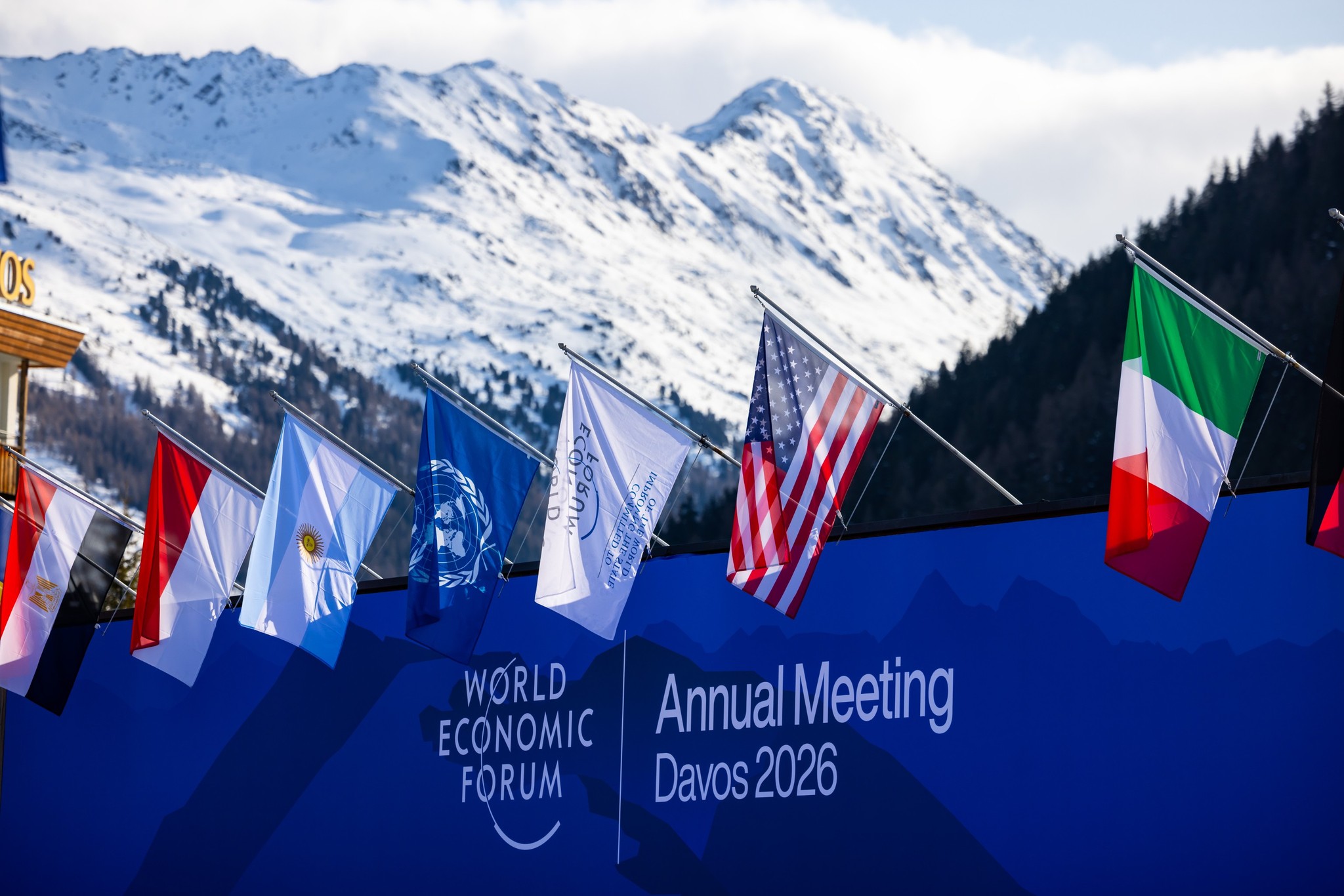
The annual meeting of the World Economic Forum in Davos concluded under a palpable cloud of geopolitical uncertainty, largely dictated by the unpredictable actions of the U.S. administration under Donald Trump. The most significant friction point emerged from Washington’s territorial interest in Greenland, an action Europe widely perceived as an infringement on sovereignty. European resistance, coinciding with market volatility, appeared to force a U.S. retraction, yet the incident has critically undermined long-standing trust in the transatlantic partnership, prompting immediate internal reviews within the EU regarding decision-making speed.
This perceived erosion of reliability is driving a strategic pivot among European leaders. An anonymous EU official noted, “We are probably too slow,” signaling a commitment to accelerating autonomous decision-making capabilities across the bloc. This shift in calculus is being undertaken while simultaneously navigating the re-engagement of Russian envoys, with Kirill Dmitriev holding bilateral talks with U.S. officials—the first such high-level contact since the 2022 invasion of Ukraine, though a comprehensive peace deal remains distant.
The economic landscape reflected this instability. Canadian Finance Minister François-Philippe Champagne encapsulated the sentiment among multinational CEOs, stating that stability, predictability, and the rule of law—key inputs for sustained corporate investment—are currently in 'short supply.' This environment is actively fueling arguments for greater commercial diversification away from the increasingly protectionist United States, encouraging regional trade blocs to strengthen internal economic ties.
Financially, the agenda was split between managing regulatory threats, such as proposed credit card rate caps warned against by JPMorgan CEO Jamie Dimon, and embracing technological disruption. While the crypto industry pushed the utility of stablecoins, the overarching narrative remained focused on Artificial Intelligence. Tech titans, including rare appearances by Elon Musk and Jensen Huang, signaled a collective dismissal of recent valuation skepticism, viewing AI as a catalyst for job transformation rather than outright destruction, although labor unions expressed severe concerns over rising inequality.
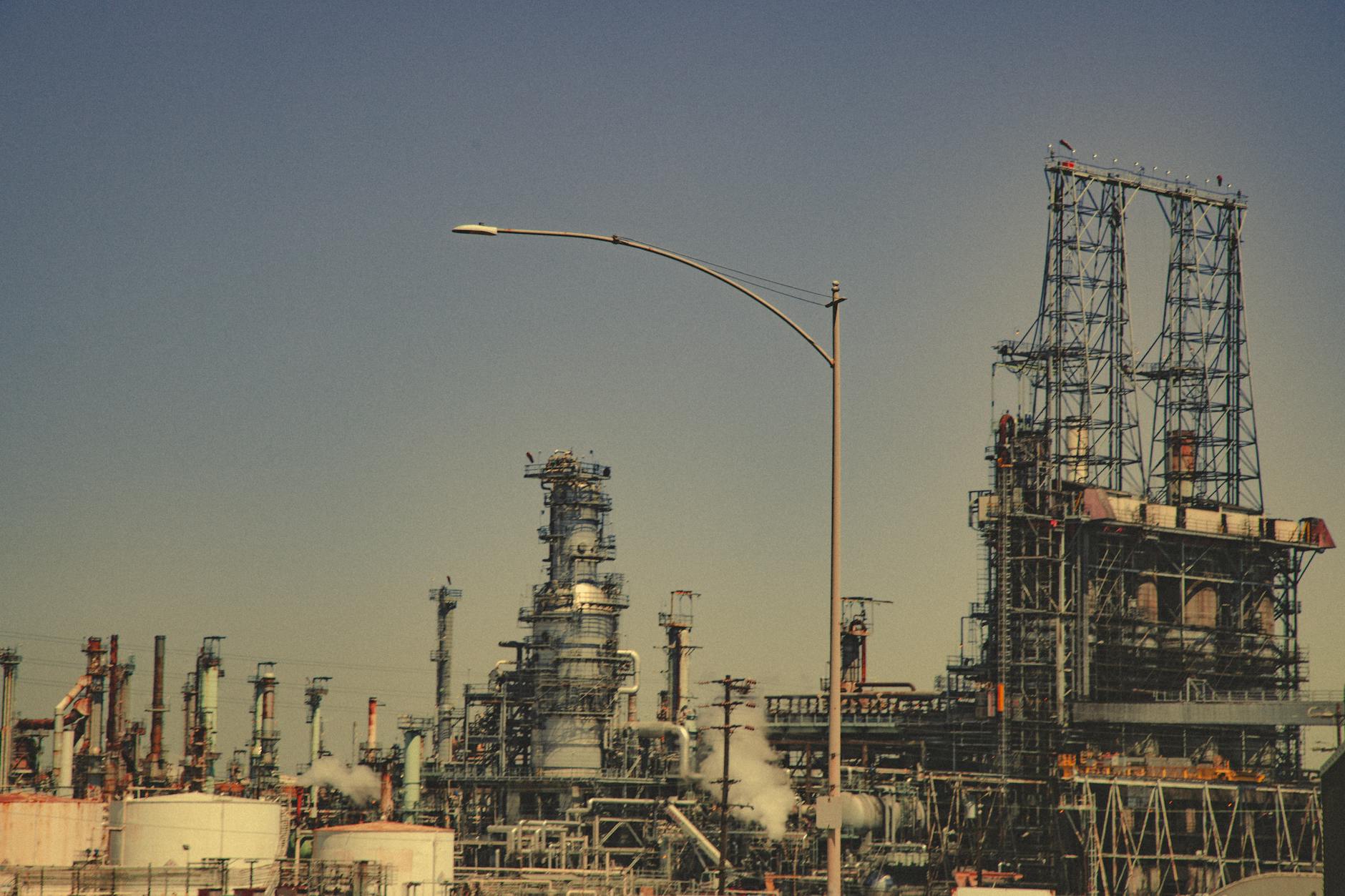
Energy policy presented a stark ideological divide. The U.S. Energy Secretary Chris Wright advocated for a significant doubling of global oil production to meet escalating demand, explicitly criticizing European and Californian investments in green energy as wasteful. This stance aligns with the Trump administration’s push for domestic fossil fuel expansion, a narrative warmly received by 'Big Oil' executives present at the forum.
Countering this fossil fuel resurgence, Elon Musk argued forcefully for solar dominance, claiming a small fraction of U.S. land could power the entire nation, hampered primarily by current tariff barriers. This tension between entrenched energy interests and high-potential renewable technology underscores the broader global policy fragmentation observed in Davos.
Ultimately, while the immediate crisis over Greenland was averted, the forum served as a crystallization point for shifting global dynamics: diminished faith in U.S. reliability, accelerated European strategic autonomy, and the undeniable, transformative power of AI reshaping corporate strategy and geopolitical risk assessment. (Source: cde.news)