Recent declarations by US President Donald Trump forecasting the imminent economic collapse of Cuba underscore a persistent campaign of external pressure against the Caribbean nation. This latest round of rhetoric arrives amid significant geopolitical shifts, notably the recent detention of Venezuelan President Nicolas Maduro, whose nation has served as a critical energy lifeline for Havana.
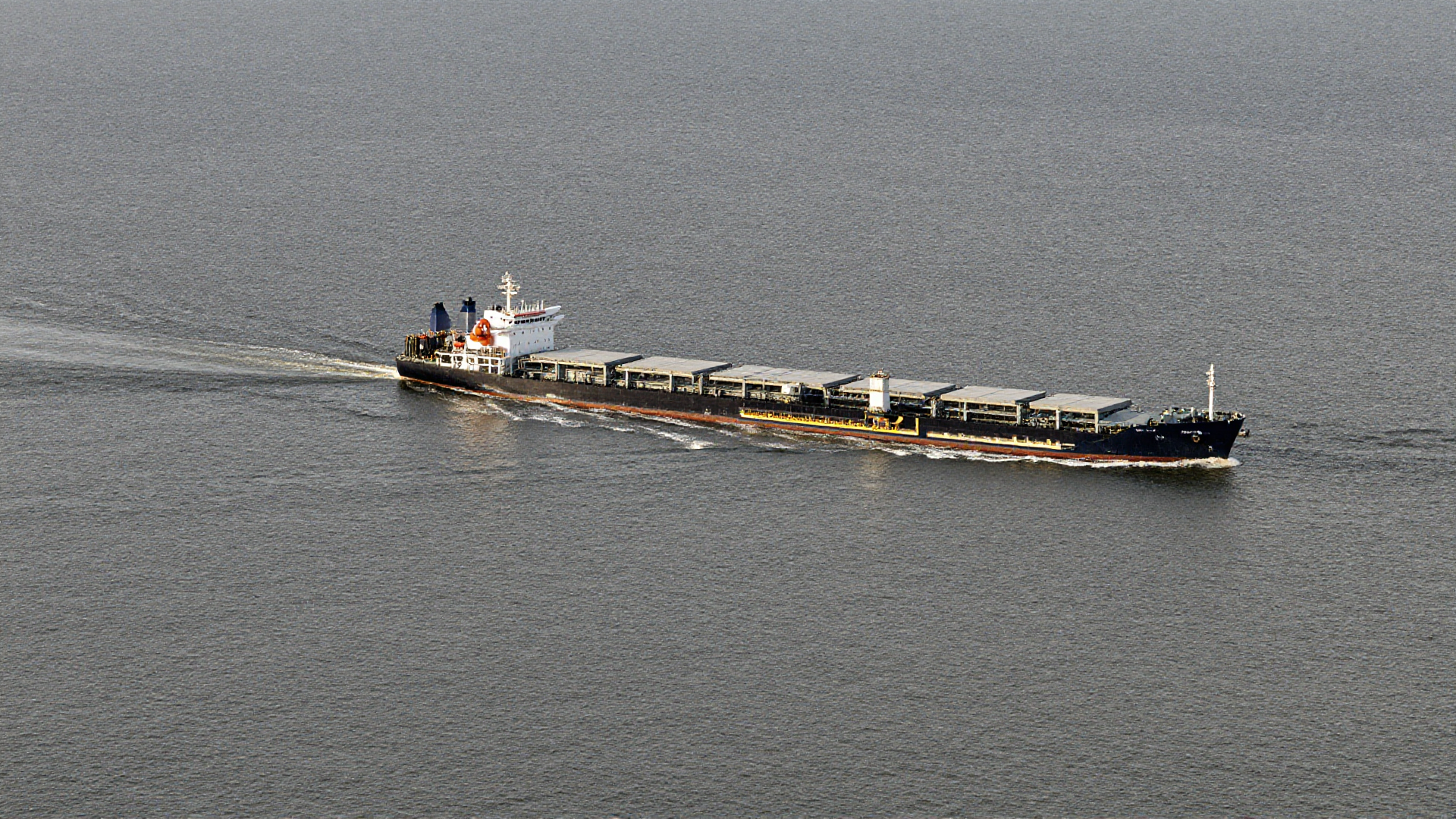
The suspension of Venezuelan oil shipments, reportedly under duress, has brought Cuba's vulnerability into sharp relief. While the US maintains its long-standing embargo, the immediate effect of severed energy ties raises fundamental questions about the resilience of an economy already strained by decades of isolation and economic hardship.
International reaction thus far appears insufficient to counter the direct geopolitical challenges facing Havana. Mexico’s position, exemplified by President Claudia Sheinbaum's cautious navigation, highlights a broader trend among regional allies: prioritizing sovereign 'decisions' while seemingly accommodating US interests. Statements of 'solidarity' often fall short of substantive economic intervention necessary to mitigate acute shortages in essential goods.
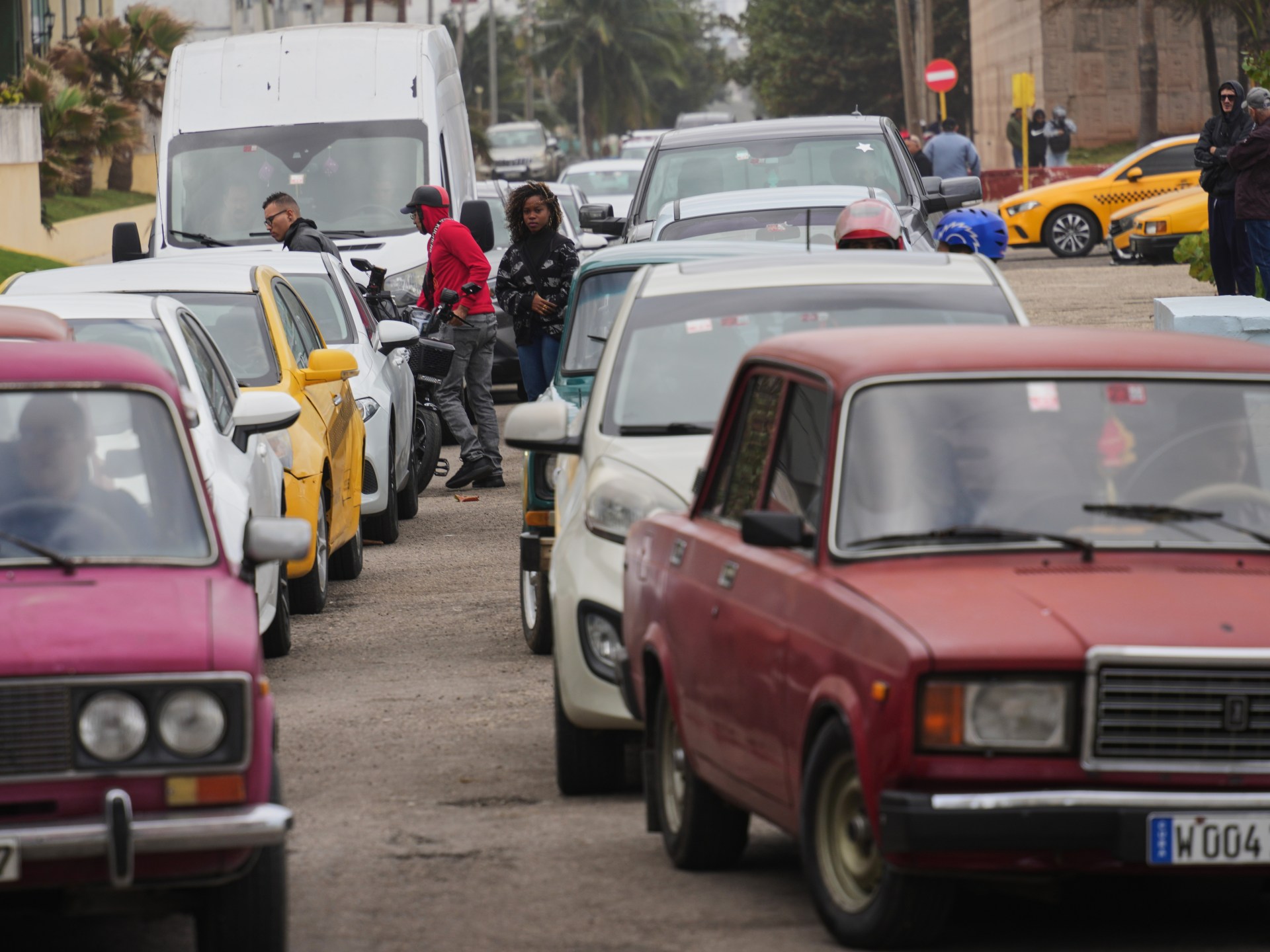
Reports from within Cuba detail the tangible impact of this sustained pressure, noting significant scarcity in basic medical supplies and foodstuffs—a stark contrast to the nation’s historical legacy of medical internationalism. The operational challenges facing essential services underscore the fragility of the current socio-economic environment.
Beyond Latin America, major partners like China have issued formal calls for sanctions relief and pledged continued assistance. However, the efficacy of these non-binding statements against the concentrated power of unilateral sanctions remains a key variable. The challenge for Havana is transitioning rhetorical support into tangible economic buffers.
This situation serves as a critical inflection point for the Global South. If Cuba, a nation that has withstood sustained blockade for over six decades, were to succumb to engineered failure, analysts suggest it would signal a dangerous precedent regarding the impunity of unilateral geopolitical actions against smaller states.
Ultimately, the coming period will test the depth of international commitments. The resilience of the Cuban people, long noted, is now measured against the willingness of its professed partners to deploy material support commensurate with the crisis. A failure to act decisively risks validating a strategy of attrition that could have wide-ranging implications for sovereignty across developing blocs.
Source attribution: This analysis is based on reporting and commentary originally published by Al Jazeera on January 29, 2026.