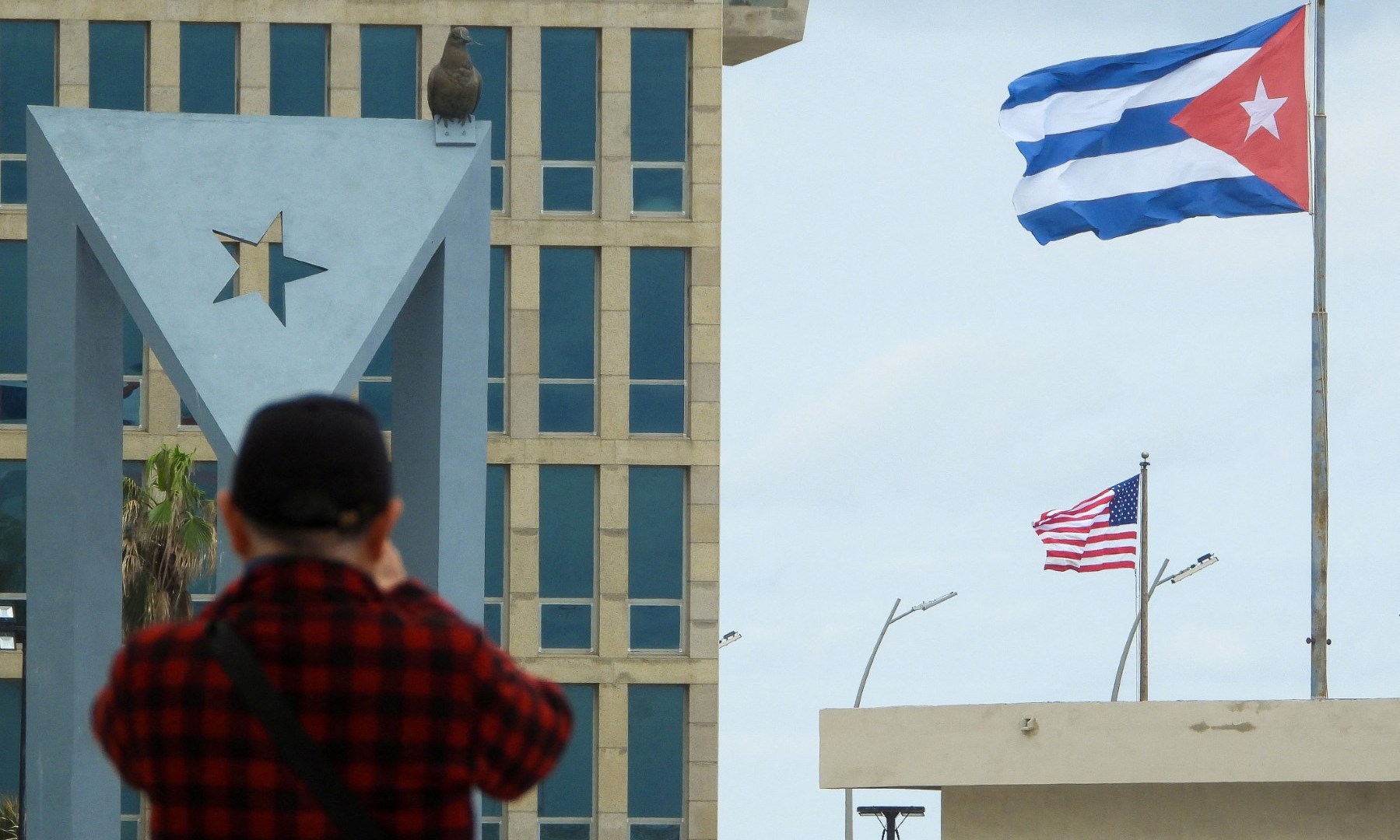
Cuba's Deputy Foreign Minister, Carlos Fernandez de Cossio, confirmed on Monday that Havana is in communication with the United States, although these exchanges have not yet progressed to a formal negotiating table. This statement marks the first indication from the Cuban government regarding direct contact with Washington as tensions have sharply risen in recent weeks. De Cossio indicated that Cuba is prepared for a "serious, meaningful and responsible dialogue" with the US government.
The diplomatic exchange follows recent escalations by US President Donald Trump, who has targeted the flow of oil to the island, threatening tariffs against third-party suppliers. Trump recently suggested the US had initiated talks with "the highest people in Cuba" and expressed optimism about reaching a future agreement. However, De Cossio clarified that while dialogues might lead to negotiations, core Cuban principles, including its constitution and socialist system, remain non-negotiable terms.
Trump’s administration has recently moved to choke off energy imports, specifically targeting shipments from Venezuela, Cuba’s primary ally, leading to severe domestic fuel shortages and widespread blackouts. On Monday, the President specifically warned Mexico to cease its oil shipments to Havana, a move that carries significant economic weight given Mexico's role as the island’s largest supplier.
Mexico has previously resisted US pressure, citing humanitarian concerns for maintaining its supply lines, but faces the risk of potential US reprisals over its energy policy. The current US strategy aims to isolate Cuba economically by disrupting its energy sector, compounding the effects of decades of existing sanctions.
Responding to the direct threat against Mexican supplies, De Cossio suggested that the US attempt to coerce every nation globally into isolating Cuba’s fuel supply chain would prove unsustainable in the long term. The current economic crisis on the island has been exacerbated by the Trump administration’s recent actions, bringing the long-standing US-Cuba conflict to a critical point.
These developments underscore a significant geopolitical pivot where economic coercion is being used to force political concessions from Havana. The administration views Cuba as an "unusual and extraordinary threat" to US national security, justifying the intensified measures.
The coming weeks will be crucial in determining whether these limited communications evolve into substantive negotiations or if the current trajectory of escalating economic pressure continues. Global energy markets, particularly in the Caribbean basin, are closely monitoring Mexico's official response to the White House directive.