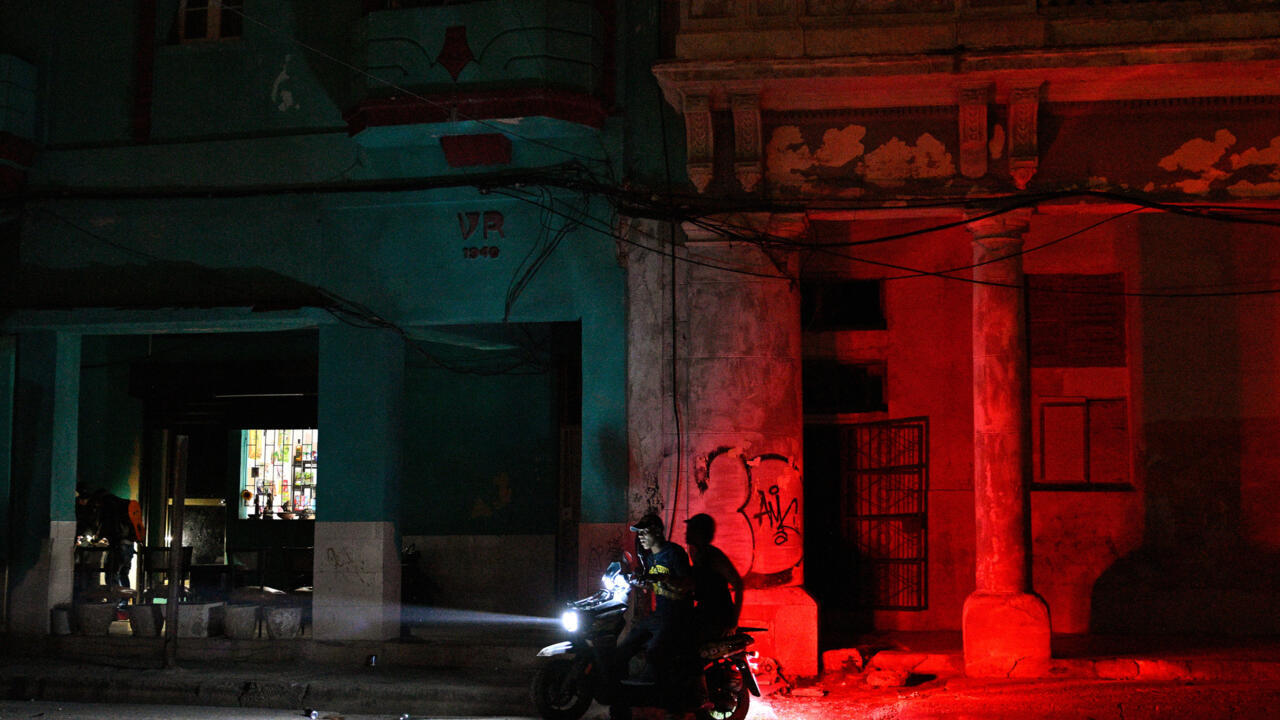
Cuba officially restored its electricity network on Tuesday following more than 24 hours of widespread blackouts across the Caribbean island. This infrastructure recovery coincides with escalating diplomatic tensions between Washington and Havana regarding the communist government's future. United States officials have intensified economic pressure on the nation to force political reforms through restrictive sanctions.
President Miguel Diaz-Canel addressed the situation by promising that any external aggression would meet with unbreakable resistance against invaders. He framed the power restoration as a victory against American coercion during a recent statement released on the platform X. The Cuban leader emphasized that his government would not yield to demands regarding the national political system or constitutional structure.
President Donald Trump reiterated his administration's stance on Monday by stating he would take action regarding the island very soon in the near future. He described Cuba as a weakened nation that the United States could potentially free or control at will during this period of transition. This rhetoric marks a sharp increase in hostile language from the White House compared to previous administrations and historical norms.
Secretary of State Marco Rubio dismissed recent Cuban economic concessions as insufficient for the American requirements outlined in policy documents. He told reporters that the decision to allow exiles to own businesses did not constitute the dramatic reforms Washington seeks immediately. Rubio suggested that Havana faces significant pressure to make bigger decisions regarding market liberalization and economic openness.
Cuban diplomat Tanieris Dieguez clarified that negotiations would not include changes to the country's constitutional model under any circumstances. She stated that sovereignty and self-determination remain the primary demands from Havana during any future talks with Washington. The envoy confirmed that political system changes are strictly off the table regardless of external economic offers or incentives.
The economic strain on the island has worsened significantly since the removal of Venezuelan oil supplies in January following a military operation. A de facto oil blockade enforced by Washington has halted imports essential for power generation and transportation logistics nationwide. This disruption has forced airlines to curtail flights, directly impacting the tourism sector critical for generating foreign revenue and jobs.
Ordinary citizens expressed concern over the stability of their food supplies during the prolonged outage periods affecting the capital. A retiree named Olga Suarez noted that refrigeration costs make power loss a threat to daily survival and household budgets. Many residents have grown accustomed to frequent outages but fear the cumulative effect on their limited assets and savings.
Infrastructure challenges persist as the nation's power generation system remains in a state of severe disrepair and lack of maintenance. Daily outages of up to 20 hours were common before the recent full restoration of service in major population centers. A minor earthquake off the coast added to the security concerns during the early hours of Tuesday without causing major damage.
The combination of natural disasters and economic sanctions creates a complex environment for stability in the volatile Caribbean region. The Trump administration views the economic collapse as leverage to accelerate regime change efforts against the communist leadership, according to The New York Times. International observers are monitoring whether these measures will force policy shifts or deepen isolation and hardship for the local population.
Analysts suggest the immediate priority for Havana is stabilizing the grid while managing diplomatic relations with the United States carefully. The coming weeks will determine if the United States escalates sanctions further or opens channels for broader dialogue with Havana. Continued instability in the energy sector poses risks for both the local population and regional security dynamics moving forward.