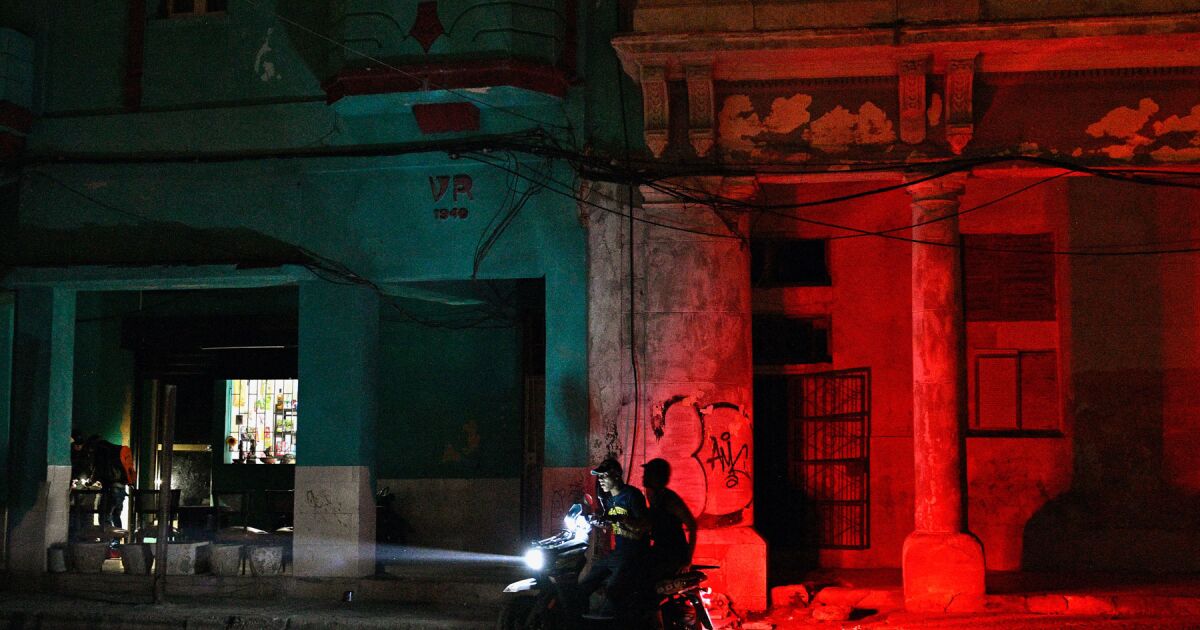
Cuba experienced a total national power outage this Saturday, marking the second widespread blackout in less than seven days. The Ministry of Energy confirmed the disconnection occurred just before 18:30 local time across the island nation. This latest interruption underscores the severe energy crisis exacerbated by international political tensions, according to the report.
Officials stated restoration efforts have begun immediately following the loss of supply. Buildings in Havana lost power during the late afternoon, leaving residents without electricity or cooling systems. Five days prior, the island endured a similar complete shutdown that paralyzed daily activities and disrupted commerce.
The old generation system suffers daily cuts of up to 20 hours in some regions due to fuel shortages. Washington implemented a de facto oil blockade after capturing Venezuela's leader, Nicolás Maduro, on Jan. three. This geopolitical shift has intensified the economic pressure on the communist government and strained its infrastructure and limited industrial output significantly.
Mexico’s foreign minister, Juan Ramón de la Fuente, pledged continued humanitarian support during the CELAC summit. He confirmed the administration seeks pathways to resume hydrocarbon shipments to the Caribbean neighbor. This stance challenges President Donald Trump’s threats to tax nations selling oil to Havana. This public declaration highlights the diplomatic friction between North American powers.
Energy ministers from the region met to discuss supply stability amid rising tensions in the Caribbean basin. Mexico aims to protect its own energy sector while maintaining diplomatic relations with Washington. Officials indicated that alternative trade routes are being evaluated to bypass potential sanctions. The government prioritizes regional solidarity over immediate compliance with US pressure. This approach ensures energy security for vulnerable populations throughout the hemisphere.
Diplomatic sources reported that Washington warned trading partners against facilitating Cuban fuel imports. The administration reportedly threatened to impose new tariffs on any country violating the energy embargo. Mexico remains committed to delivering aid despite the pressure from the United States.
An international aid convoy arrived in Havana this week carrying medical supplies and solar panels. Food and water shipments attempt to mitigate the humanitarian impact of the infrastructure failure. The arrival coincides with the government's struggle to maintain public order during blackouts.
The recurring outages threaten to destabilize the regional economy further if trade routes are restricted. Mexican businesses face potential tariffs that could affect energy imports and export markets. Analysts warn that prolonged instability may force Mexico to reconsider its energy diplomacy. Trade volumes with the Caribbean could suffer if the blockade tightens further. Economic fallout could ripple through the North American energy grid and affect regional pricing.
Observers will watch how Washington responds to Mexico’s continued engagement with the crisis. The situation remains fluid as the island seeks alternative energy sources. Regional stability depends heavily on resolving the fuel supply chain issues.