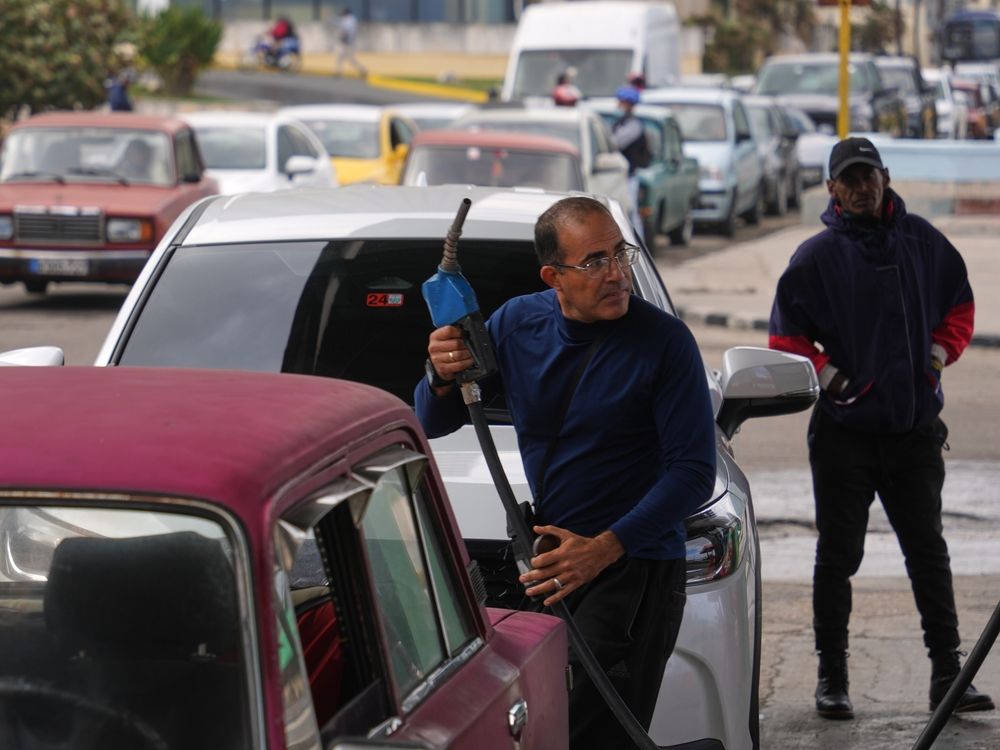
Cuba possesses oil reserves sufficient for approximately 15 to 20 days at current consumption rates, according to data analyzed by Kpler, following the apparent cancellation of a Mexican delivery and sustained U.S. restrictions on Venezuelan crude. This impending shortage threatens widespread rationing across the island, which is already experiencing near-daily power outages.
Expanding on the immediate threat, Kpler analyst Victoria Grabenwöger stated that adding the sole January shipment from Mexico to existing inventories totals enough supply for this limited timeframe. This drastic reduction comes after Cuba received an average of 37,000 barrels per day from all suppliers in 2025, contrasted with just over 3,000 barrels per day received this year from a single Mexican cargo on January 9.
Jorge Piñón, an oil expert at the University of Texas, emphasized the gravity of the situation, noting that the Cuban regime faces a “major crisis” if external replenishment fails in the coming weeks. This supply constriction aligns with U.S. President Donald Trump’s stated policy to choke off energy resources to Havana, a stance he reiterated this week.
Mexico’s position is complicated by pressure from Washington, particularly concerning its renegotiation of a key free-trade pact with the U.S. and Canada later this year. While Mexican President Claudia Sheinbaum did not explicitly confirm shelving the shipment, she described the decision regarding exports as a “sovereign decision.”
Furthermore, the island is critically short of fuel oil necessary for power generation, as the last cargo from Venezuela, its primary supplier in mid-2025, arrived in November. Gonzalo Monroy, an energy consultant in Mexico City, noted that the loss of heavily discounted or free Venezuelan crude creates a significant operational hurdle for the Cuban economy.
Analysts suggest the economic ramifications could be severe, potentially leading to state failure if oil access is not restored, according to Nicholas Watson at consultancy Teneo. Despite the external pressure, the Cuban government has maintained a defiant public posture against the perceived U.S. blockade.
The broader implication is a geopolitical tightening around the communist state, where external energy lifelines are being severed due to Washington’s policy objectives. The immediate concern for international observers is the potential for internal instability arising from a sustained energy collapse.