Cuban President Miguel Diaz-Canel publicly denounced an executive order signed by US President Donald Trump on Thursday, characterizing it as a deliberate attempt to "suffocate" the island's already sanctions-hit economy. The new measure imposes potential tariffs on foreign entities that export oil to Cuba, escalating the long-standing US campaign of economic pressure against Havana.
Diaz-Canel stated on social media that the order, enacted under a "false and baseless pretext," targets sovereign trade relations, labeling the clique behind it as having a "fascist, criminal and genocidal nature." This action follows the recent disruption of critical Venezuelan oil supplies after the abduction of President Nicolas Maduro earlier this month, according to reports from Cuba.
Cuba is currently experiencing rolling electricity blackouts, which officials attribute directly to the fuel supply interruptions resulting from the intensified US posture toward Venezuela. The US has reportedly assumed effective control over Venezuela’s energy sector following the military raid, leading to immediate impacts on regional energy flows.
Foreign Minister Bruno Rodriguez declared an "international emergency" following the announcement, asserting the executive order constitutes an "unusual and extraordinary threat" to Cuba’s stability. Venezuela’s government echoed these sentiments in a statement, condemning the measure as a violation of international commerce principles and law.
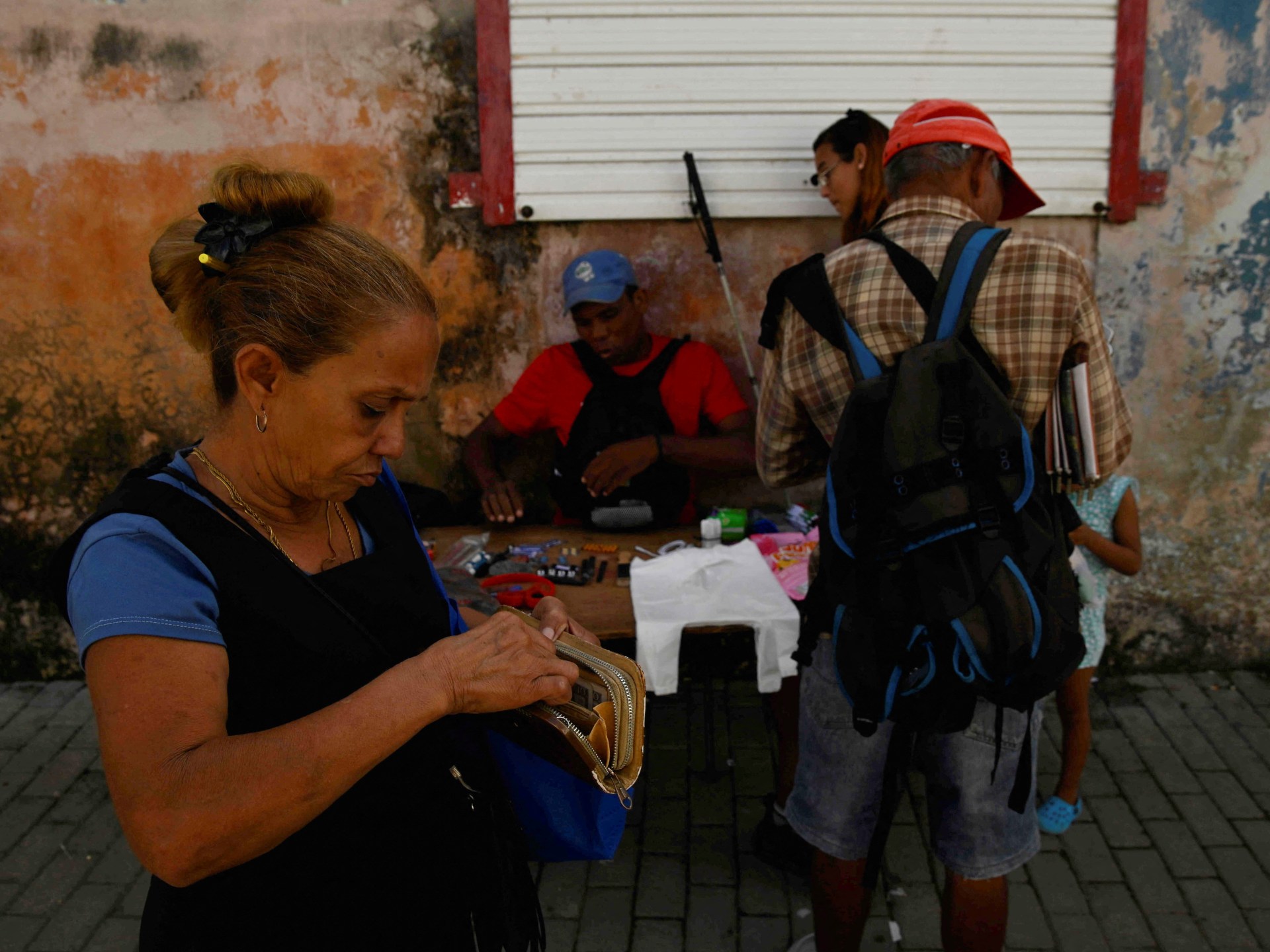
Analysts describe the tariff threat as potentially the "most powerful economic blow" the United States has ever inflicted on the island, according to reporting by Al Jazeera’s Ed Augustin. Residents in Havana expressed deep frustration, citing worsening shortages of food and continuous power outages as direct consequences of the heightened sanctions environment.
Mexico, which had recently become a vital alternative fuel supplier alongside Russia, indicated it would seek clarification from the US State Department. Mexican President Claudia Sheinbaum warned that cutting off oil shipments could cause a "far-reaching humanitarian crisis" affecting critical infrastructure like hospitals and transportation networks.
Prior to this escalation, UN Special Rapporteur Alena Douhan had stated that the extensive US trade embargo, the longest in US history, caused severe consequences across all aspects of Cuban life, including rights to food and health. The cumulative effect of sanctions has reportedly driven an emigration of essential skilled workers, further straining the nation's operational capacity.