Polls commenced in Costa Rica on Sunday for the general election, where the centre-right populist administration seeks to solidify its power base by gaining control of the 57-seat Legislative Assembly. Voting stations opened at 6:00 local time, with early results anticipated within hours to determine if President Rodrigo Chaves's agenda can proceed unimpeded.
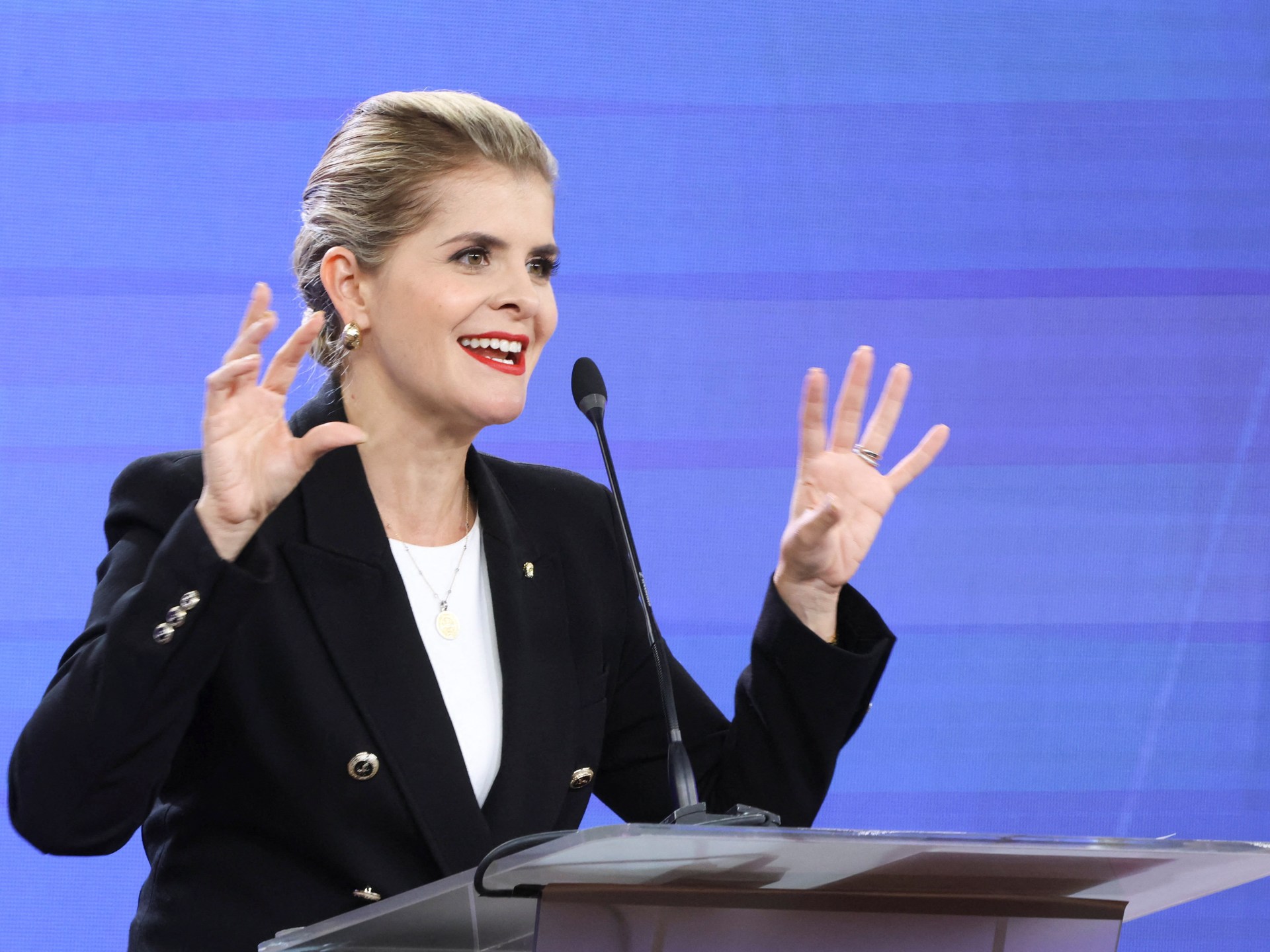
Laura Fernandez, Chaves’s former chief of staff and political protégé, is the leading candidate, polling above 40%, which would allow her to claim victory outright and bypass an April fifth run-off election. Fernandez has explicitly promised to maintain the administration’s stringent security measures and its anti-establishment rhetoric, according to reports from Al Jazeera.
Fernandez is reportedly facing challenges from centrist economist Alvaro Ramos and progressive architect Claudia Dobles, a former first lady, who are positioned as the most likely competitors in a potential second round. If Fernandez secures fewer than 40% of the national vote, the focus will immediately shift to who advances to that run-off contest.
Furthermore, Fernandez is campaigning for a supermajority, pushing for all 40 seats in the Legislative Assembly necessary to enact significant constitutional reforms. The current administration has frequently cited congressional deadlock, holding only eight seats, as a primary obstacle to advancing its policy goals.
This electoral contest is taking place against a backdrop of escalating domestic security concerns, with homicide rates reportedly surging to historic highs during Chaves’s term due to drug-fuelled violence. Despite ongoing corruption investigations, President Chaves maintains a notable 58% approval rating, data from the University of Costa Rica’s CIEP indicates.
Analysts note that approximately a quarter of the 3.7 million eligible voters remain undecided, particularly younger demographics in coastal provinces heavily affected by organized crime. This undecided segment presents a critical variable in whether Fernandez can secure the necessary absolute majority on the first ballot.
While Costa Rican law prohibits presidential re-election, Fernandez has positioned herself as the direct continuity of the incumbent’s mandate, reportedly planning to integrate Chaves into her future government structure. The outcome will significantly influence the country’s near-term economic policy and security posture.