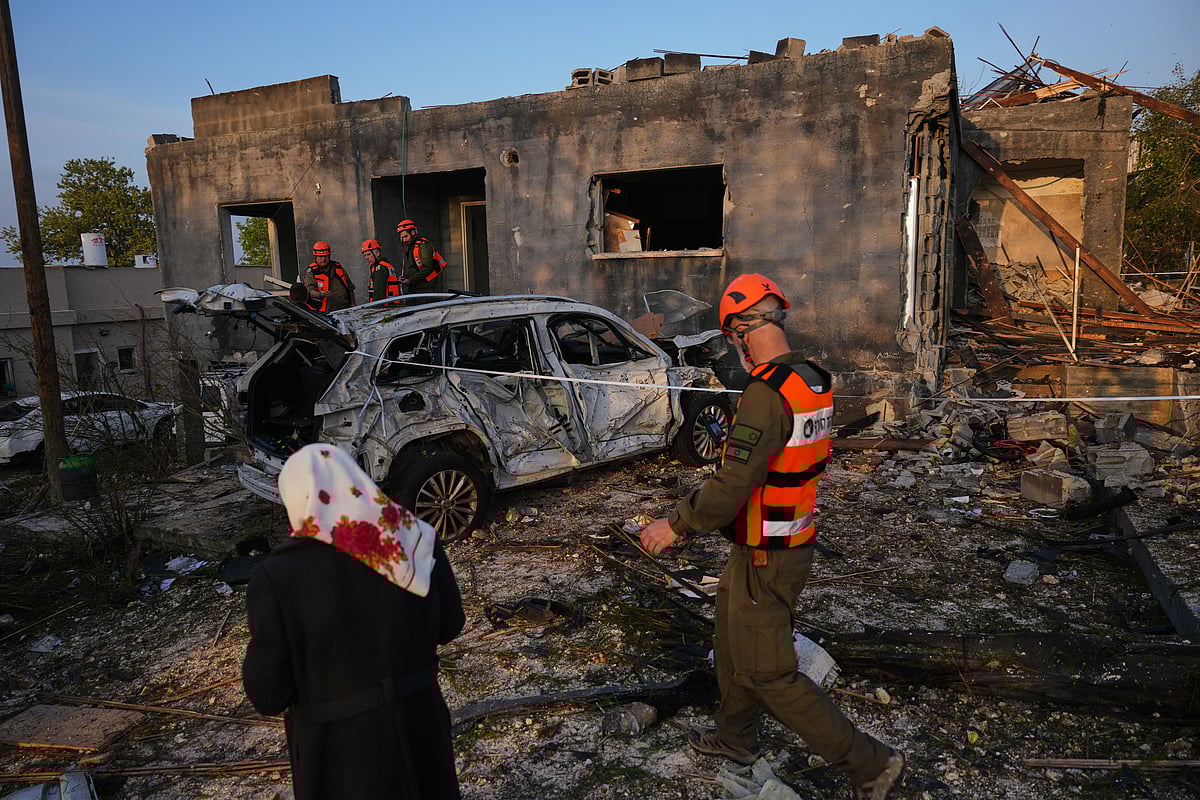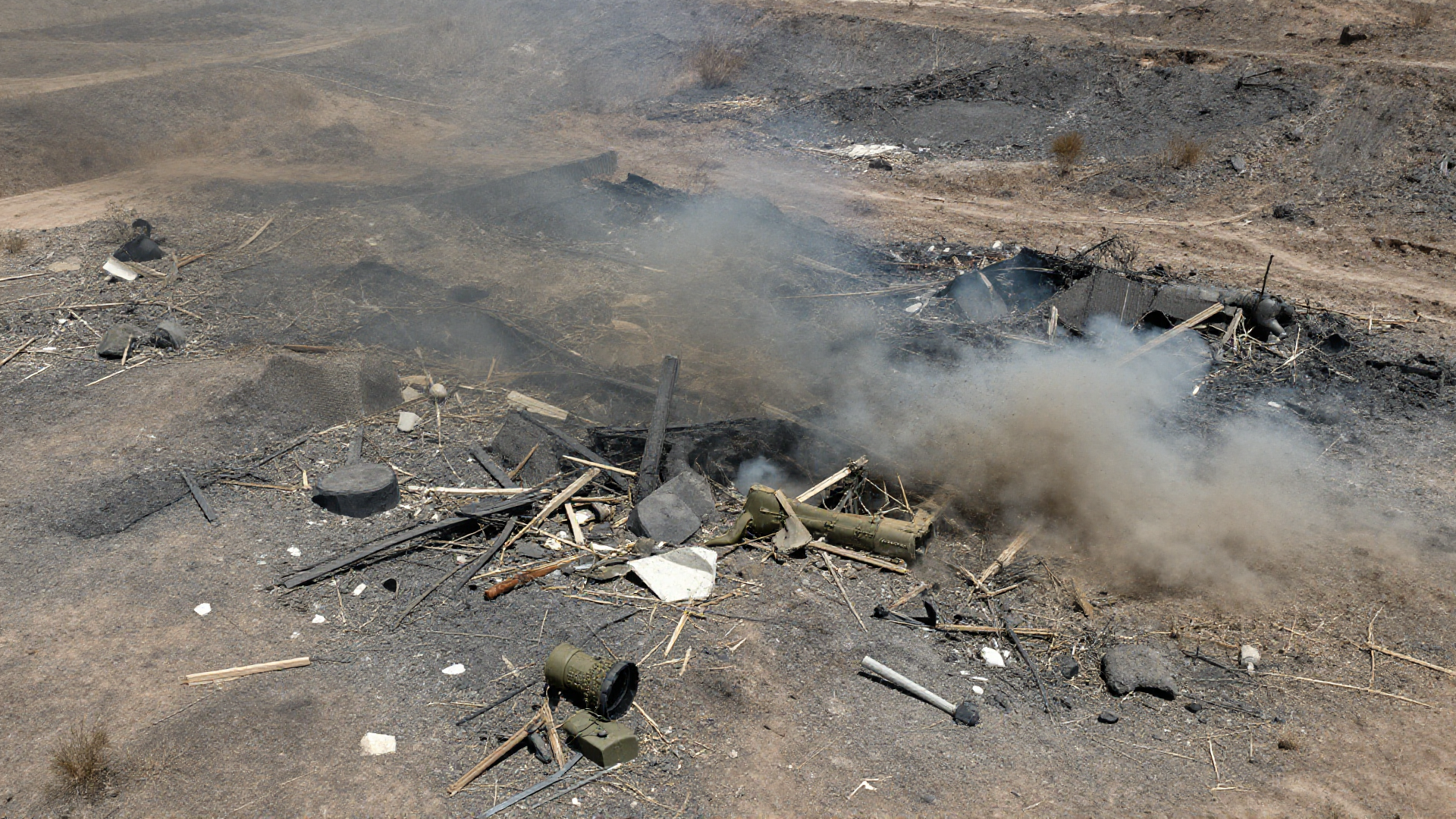
A series of gun and bomb attacks across Pakistan's south-western Balochistan province has resulted in 31 civilian fatalities and 17 deaths among security service personnel, Chief Minister Sarfraz Bugti confirmed.
Security forces engaged the attackers in a prolonged 40-hour confrontation, during which they reportedly neutralized at least 145 assailants. The violence targeted civilian infrastructure, including hospitals, schools, and markets, in the provincial capital Quetta and surrounding areas, according to Pakistan's junior interior minister Talal Chaudhry.
The Balochistan Liberation Army (BLA) claimed execution of a coordinated operation named 'Herof,' or 'black storm,' asserting numerous security force casualties and abductions. The BLA accuses the federal government of exploiting Balochistan's substantial mineral wealth without equitable benefit sharing for the local population.
Geopolitical tensions are amplified by Pakistan's recurring accusation that India provides support to the BLA, a charge New Delhi consistently denies. This cycle of conflict underscores the deep-seated ethnic grievances in the resource-rich but underdeveloped province.
Operational disruption was significant, as mobile phone services were reportedly jammed across the region and regional train services were suspended during the security response. Prime Minister Shehbaz Sharif subsequently pledged the government would pursue the "war against terrorism until its complete eradication."
Balochistan, which constitutes nearly 44% of Pakistan's land area, shares sensitive borders with Iran and Afghanistan. The region remains central to national economic interests due to its reserves of gas and minerals, yet it harbors long-standing resistance against federal control dating back to 1948.
This latest outbreak highlights the enduring instability in a region critical for national resource security and regional connectivity. The government faces the complex challenge of military containment alongside addressing the underlying economic and political alienation driving the insurgency.