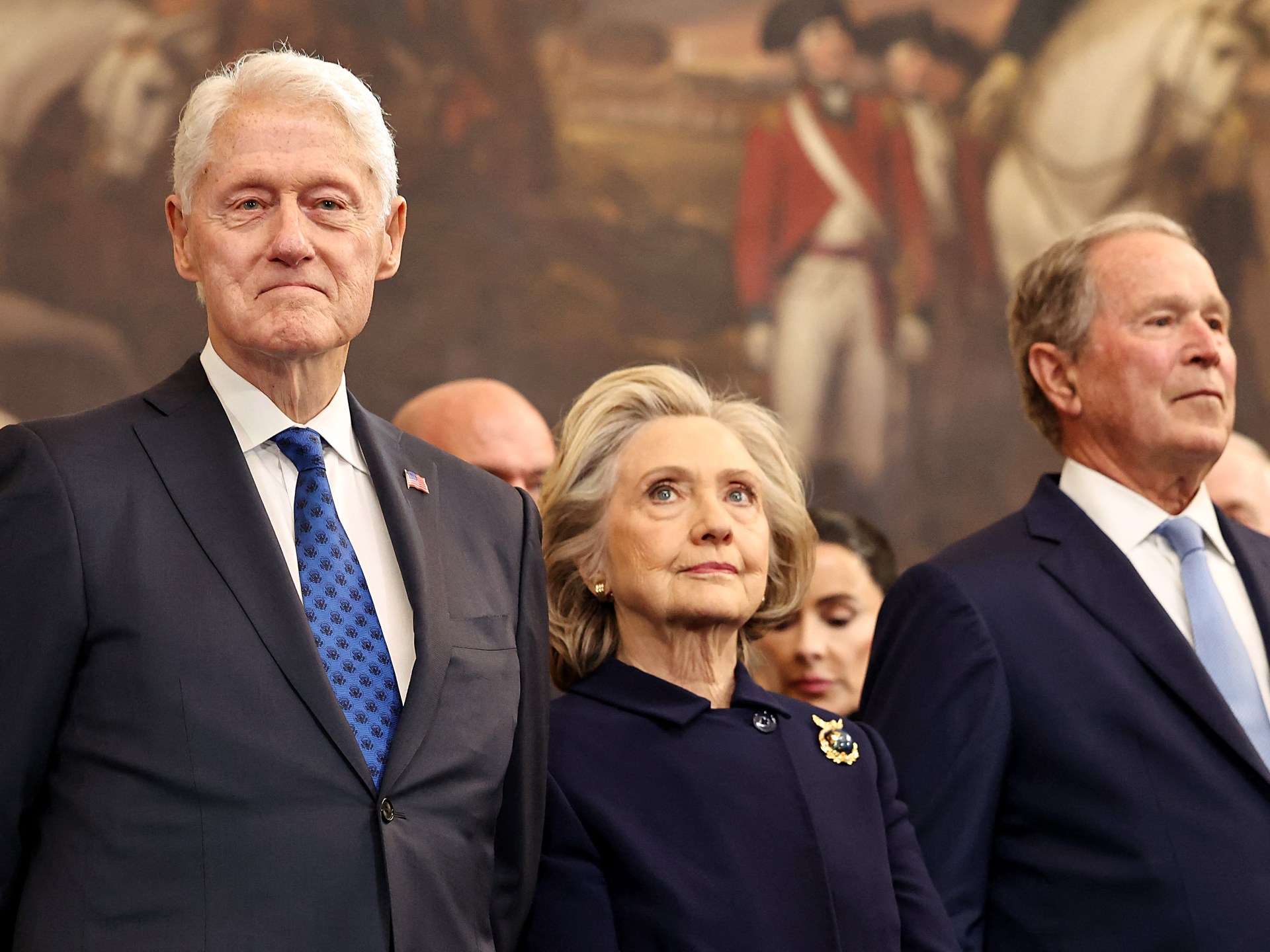
Former United States President Bill Clinton and his wife, 2016 Democratic presidential nominee Hillary Clinton, confirmed they will testify before a congressional committee investigating the activities of the late sex offender Jeffrey Epstein, a spokesperson for the ex-president stated Monday. This decision preempts a planned vote by the Republican-controlled House of Representatives that threatened to hold the prominent Democrats in contempt for refusing prior lawful subpoenas.
Angel Urena, the Clintons’ deputy chief of staff, announced the cooperation, noting the pair looked forward to establishing a precedent applicable to all individuals subpoenaed by the committee. This announcement followed a statement from the House Oversight Committee accusing the Clintons of defying legal orders and attempting to avoid contempt proceedings by seeking special accommodations.
The Oversight Committee had previously recommended contempt charges against the couple last week after they declined to appear in person regarding their association with Epstein. The Clintons maintained the investigation constituted a partisan effort intended to shield political rivals, including former President Donald Trump, who maintained a long association with Epstein.
House Speaker Mike Johnson acknowledged the development as positive but did not confirm whether the chamber would withdraw the scheduled contempt vote, stating his expectation that all parties comply with congressional mandates. Democrats on the committee argue the probe is being weaponized against political opponents rather than serving legitimate oversight functions.
Bill Clinton previously acknowledged flying on Epstein’s private aircraft multiple times in the early 2000s following his presidency, subsequently expressing regret and asserting ignorance of Epstein's criminal enterprises. Conversely, Hillary Clinton has maintained she had no significant interactions with Epstein, never used his plane, and never visited his private island.
The ongoing Epstein matter continues to generate geopolitical ripples, notably involving UK figures such as Prince Andrew and former UK Ambassador to the US, Peter Mandelson. Mandelson's name reportedly appeared over 5,000 times in the unsealed US Justice Department files, prompting UK police to review allegations of misconduct.
This episode highlights the persistent complications arising from the Epstein files as they intersect with high-level international political and financial networks. The scrutiny on UK figures, including previous government officials, suggests the fallout from the case extends well beyond American domestic politics, touching on diplomatic and asset control matters.
Congressional oversight regarding high-profile figures connected to international scandals often tests the boundaries of executive privilege and legislative authority. The resolution of this specific standoff offers insight into how Washington handles politically charged compliance battles.