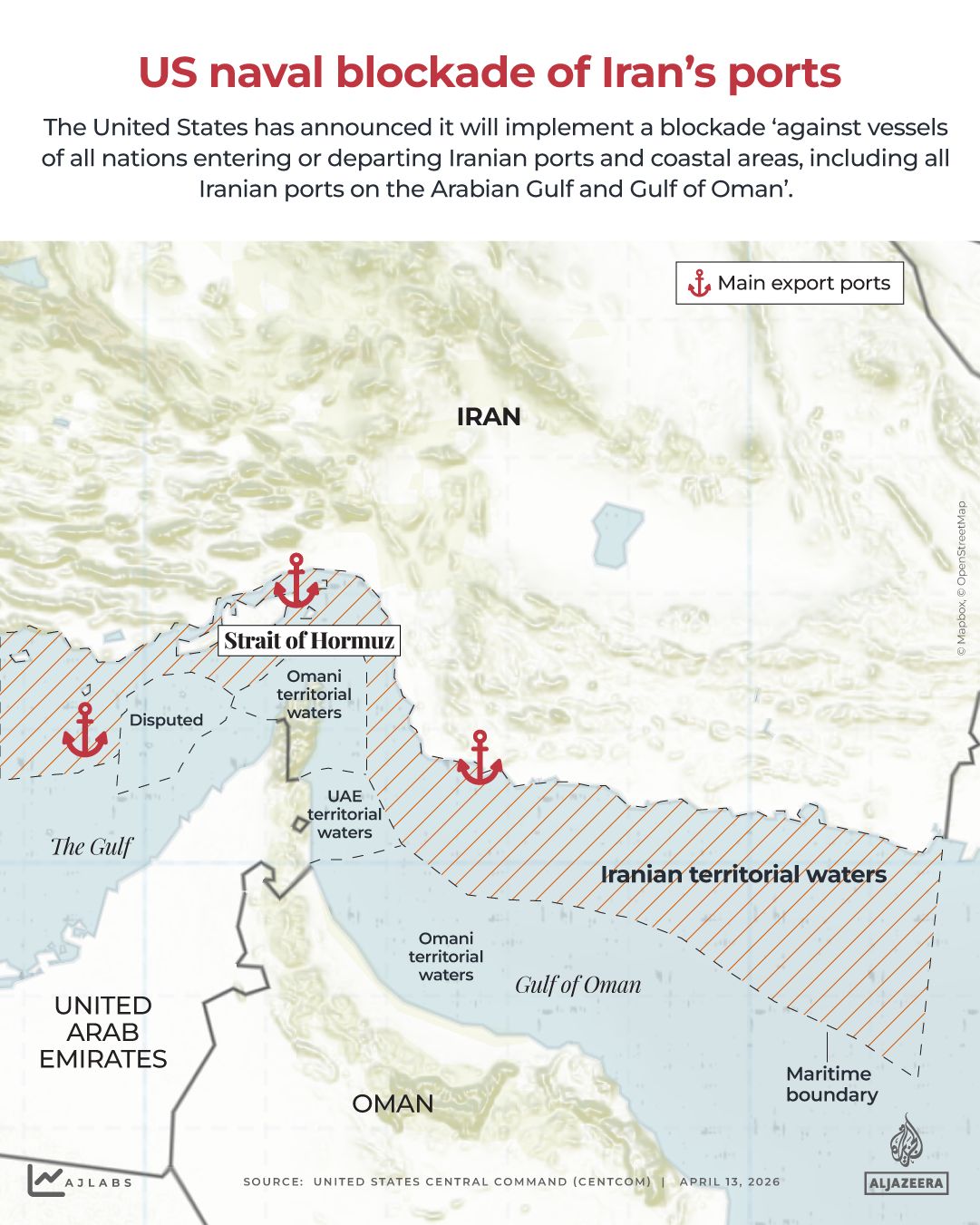
A tanker bound for China turned back at the Strait of Hormuz after encountering a US blockade, prompting a sharp diplomatic response from Beijing. The vessel's sudden reversal follows increased naval activity in the region.
The movement of the tanker has drawn immediate attention from Chinese officials. Beijing warned, "do not interfere in our affairs."
Diplomatic Tensions Rise
The incident highlights the volatile security situation in the Strait of Hormuz, a critical artery for global energy supplies. The tanker's retreat adds to the tension in the region's maritime corridors.
The Strait of Hormuz serves as a vital chokepoint through which a large portion of the world's petroleum passes. Any disruption to the flow of tankers through this waterway affects global energy markets and shipping stability.
Chinese officials emphasized the importance of freedom of navigation for global trade. The government's response suggests a heightened state of alert regarding maritime security in the Middle East.
The US military has not yet released an official statement regarding the specific blockade mentioned in the reports. However, the presence of US naval assets in the region remains a point of contention.
Analysts suggest that the disruption of shipping routes could lead to increased insurance premiums for tankers traversing the area. The Strait of Hormuz remains one of the most sensitive maritime chokepoints in the world.
The tension between US naval operations and Chinese-bound commerce is intensifying. Beijing's warning reflects a broader strategy of resisting what it perceives as external interference in regional trade flows.
The sudden change in the tanker's course has left maritime operators monitoring the region closely. Shipping companies are evaluating the safety of navigating through the contested waters.
Beijing's stance on non-interference remains a significant pillar of its foreign policy. This latest incident puts that policy at the forefront of international maritime discourse.
The economic impact of such disruptions extends far beyond the immediate area. Fluctuations in the Strait of Hormuz often lead to volatility in oil prices and energy security concerns across Asia and Europe.
The US Navy has maintained a persistent presence in the region to ensure the security of global shipping lanes. This presence often leads to close-range encounters with commercial vessels and other regional actors.
The international community is monitoring naval movements in the Persian Gulf for further indications of the blockade's scope. The interaction between US-led maritime security and Chinese commercial interests continues to shape the regional landscape.