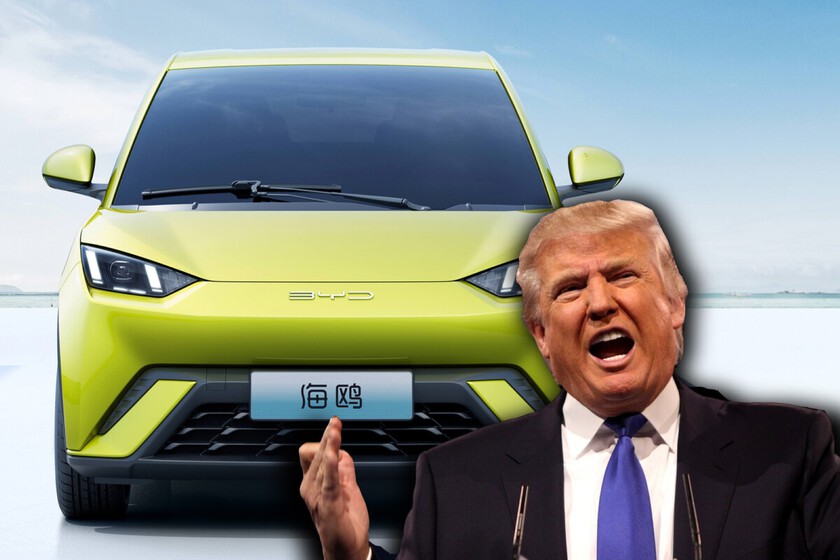
Canada has officially opened its market to major Chinese electric vehicle manufacturers, including BYD, Chery, and Geely. The three companies confirmed plans to begin sales before the end of the current year following a significant policy shift. This decision marks a departure from the restrictive trade stance maintained by the United States regarding Beijing-made automobiles.
The Canadian government reduced the import tariff on these vehicles from 100% down to 6% as part of the new agreement. Authorities capped the annual entry volume at 49,000 units, with half required to sell for less than 35,000 dollars. This price threshold addresses affordability concerns that have historically hindered electric vehicle adoption in the region.
Prime Minister Mark Carney negotiated the deal during a visit to Beijing in early January. The agreement reopens the door for Chinese manufacturing despite ongoing geopolitical tensions between Western powers and China. Washington has maintained a hardline approach, creating a distinct divergence in North American economic strategy.
For Mexico, this development introduces complex variables into the United States-Mexico-Canada Agreement framework. Mexican policymakers must now consider how Canadian openness might influence American pressure regarding Chinese investment in North America. The shift could complicate enforcement of rules of origin that currently protect regional manufacturing interests. Washington has signaled that trade partners must align on security concerns regarding technology supply chains.
Mexican auto exporters face potential competition if Chinese brands expand their regional footprint through trade agreements. Industry analysts suggest that Mexico may need to adjust its industrial policy to maintain competitiveness against lower-cost imports. The situation highlights the delicate balance Mexico maintains between its trade partners and domestic economic goals. Recent discussions in Mexico City emphasize the need to secure foreign direct investment without compromising sovereignty.
Regulatory hurdles remain significant for the incoming manufacturers under Canadian Motor Vehicle Safety Standards. Companies must also comply with new data privacy and cybersecurity protocols before mass distribution begins. Licensing applications opened on March one, with the first batch of permits valid until August 31. These standards ensure vehicle safety and data protection for Canadian citizens.
Consumer sentiment appears favorable despite the regulatory friction, with surveys indicating 70% of potential buyers would consider a Chinese brand. This data suggests a demand for lower-priced alternatives that domestic and American competitors may struggle to match. Local industry groups have expressed concern over the competitive pressure this influx could generate. This consumer openness contrasts with skepticism seen in other Western markets.
Successful market penetration requires more than just price competitiveness, as firms must establish local distribution and credit networks. Each manufacturer needs to prove they can provide adequate parts and after-sales support to maintain consumer trust. Technical homologation processes will likely take several months to complete for all applicants.
The second licensing period will run from September through February 2027, allowing for staggered market entry. Observers will watch closely to see if this policy encourages further Chinese investment in the broader North American continent. The outcome could redefine the balance of power in the global electric vehicle supply chain.