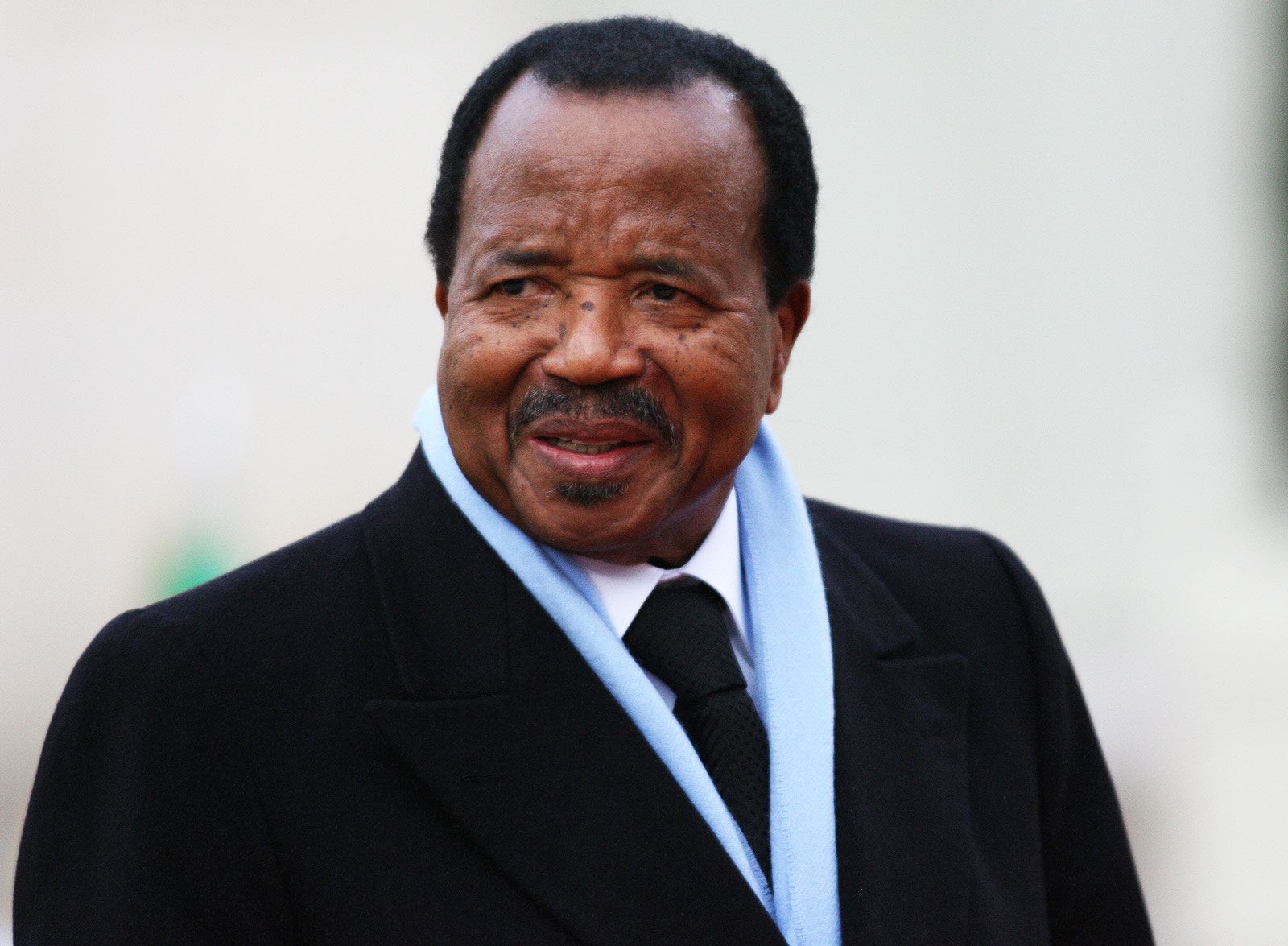
Cameroon’s parliament passed a constitutional amendment on Saturday to create the position of vice-president, a move that grants 93-year-old President Paul Biya the power to appoint his own successor. The bill, which passed with 200 votes in favor against 18 opposed, will allow an appointed vice-president to complete the remainder of a presidential term should the incumbent die or become incapacitated.
President Biya has held power since November 1982. Under the previous constitutional framework, the Senate leader was designated to act as interim president until a new election could be organized. The new legislation shifts that authority directly to the presidential appointee.
A contentious transition
The move has drawn sharp criticism from opposition leaders who argue the process was rushed and lacks democratic legitimacy. The Social Democratic Front (SDF), which holds six seats in parliament, boycotted the vote entirely. SDF chairman Joshua Osih described the reform as a "missed historic opportunity" to address national unity, noting that his party had pushed for a system where the vice-president would be elected alongside the president.
Maurice Kamto, leader of the Cameroon Renaissance Movement, characterized the constitutional change as an "institutional coup." He accused the ruling party of attempting to cement a "republican monarchy" and announced plans to launch an online campaign to challenge the amendment.
Government supporters defended the bill, claiming it will streamline administration and allow the Senate to focus on its legislative duties rather than succession planning. Officials also argued that the appointment would provide more efficient representation when a deputy is needed to stand in for the president.
Cameroon previously utilized a vice-presidency under a federal system that operated from 1961 to 1972. That office was abolished following a referendum that established the current unitary state.
Speculation regarding the president’s health has been a constant feature of Cameroonian politics, though public discussion of the subject remains a social taboo. While Biya has frequently defied rumors of his death by reappearing after long absences, the new legislation marks a significant shift in how the nation will manage a potential power vacuum. With the amendment now awaiting the president’s signature, political observers are turning their attention to who Biya will choose to fill the newly revived post.