The military government of Burkina Faso announced a comprehensive ban on all political parties, formalizing the suspension of their activities that began following the 2022 coup d'état. Interior Minister Emile Zerbo confirmed the decree, framing it as an essential step toward "rebuilding the state" following alleged abuses within the previous multiparty framework.
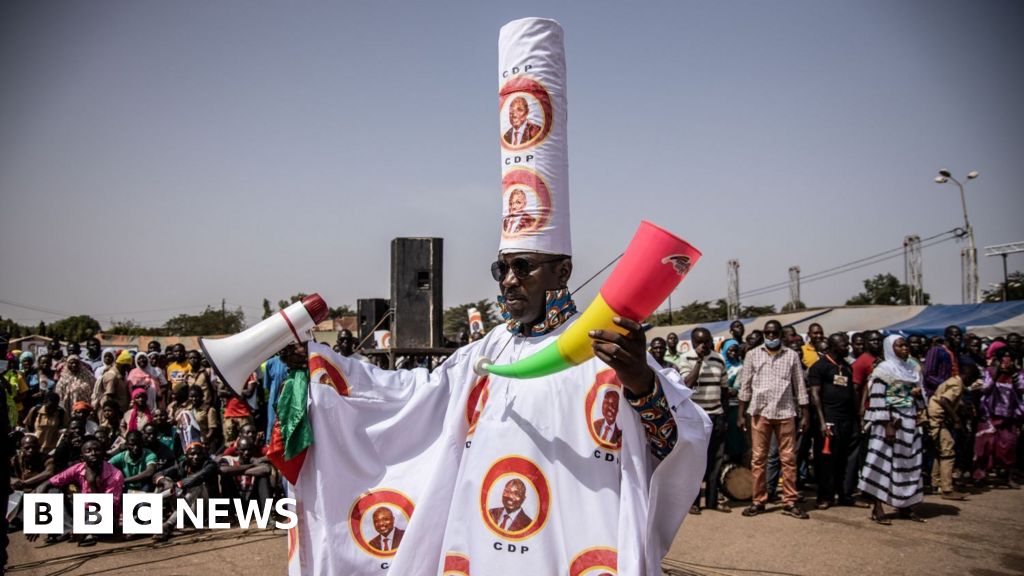
Zerbo asserted that the former system was actively "promoting division among citizens and weakening the social fabric" of the nation. While public gatherings by parties were already restricted, the new decree prohibits all operational activities, effectively dismantling the political infrastructure that included over 100 registered entities prior to the military takeover.
According to the minister, all assets belonging to the dissolved parties will be transferred into state ownership. A draft law detailing these measures is reportedly being prepared for submission to the Transitional Legislative Assembly in the near future, according to reports from the Interior Ministry.
Civil society representatives expressed concern over the move, noting that the regime appears committed to consolidating power for the long term, despite the original pledge to return to civilian rule by July 2024. One unnamed source suggested that such authoritarian consolidation often breeds instability, keeping the threat of further coups on the horizon.
Conversely, supporters of Captain Ibrahim Traoré defended the decision on social media platforms, arguing that the extreme fragmentation of over 100 parties fostered clientelism and corruption. These proponents suggest the ban eliminates business-like ventures masquerading as civic organizations.
This political consolidation follows the junta's recent decision in January to extend its transitional rule by five years, moving past the initially promised July 2024 deadline for elections. Traoré has cultivated a significant following across parts of Africa due to his anti-Western rhetoric and pan-Africanist stance.
Burkina Faso joins a growing list of West African nations, including Guinea, that have experienced military coups followed by the systematic restriction of political institutions. This trend signals a significant geopolitical shift away from established democratic norms in the Sahel region.