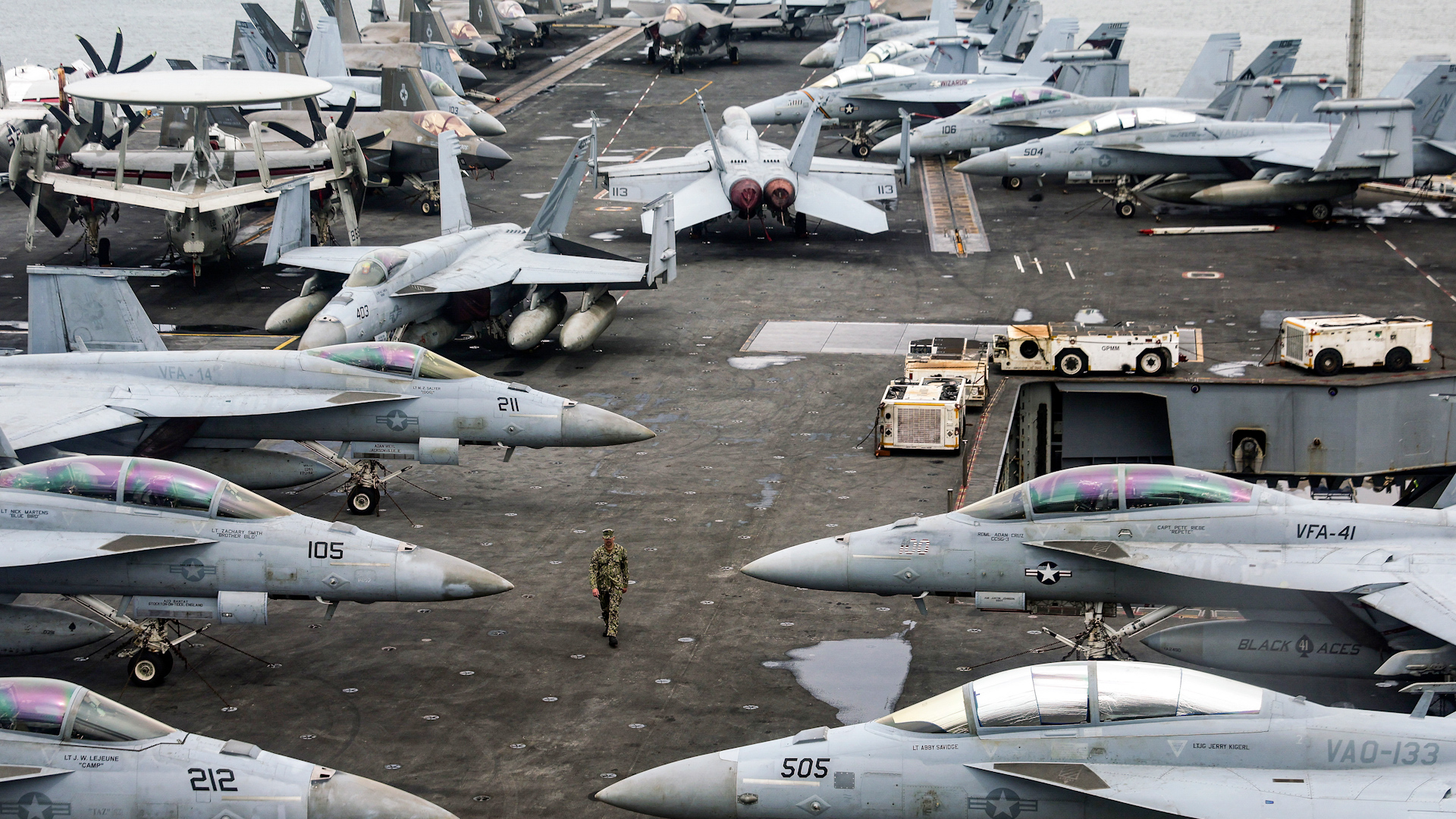
Beijing has formally articulated its growing concern regarding the escalating geopolitical friction in the Middle East, directly challenging the posture of the United States at the United Nations Security Council. Chinese representatives asserted that any escalation driven by perceived US 'military adventurism' would inevitably plunge the volatile region into broader chaos.
This diplomatic intervention by Beijing underscores a widening strategic divergence between the two global powers on critical international security matters. The warning appears directly linked to recent, forceful declarations from Washington concerning potential military responses should Iran fail to meet specified demands.
From an economic standpoint, sustained military conflict in the Persian Gulf region carries profound implications for global energy markets and supply chain stability. China, as the world's largest importer of crude oil, views regional conflict as a direct threat to its own economic planning and long-term energy security architecture.
Analysts note that China's stance is consistent with its long-standing foreign policy doctrine emphasizing non-interference and respect for national sovereignty, often positioning itself as a stabilizing counterweight to unilateral Western military action.
The current situation forces international actors to navigate a precarious diplomatic tightrope, balancing the imperative of regional de-escalation against domestic political pressures driving hardline foreign policy decisions in Washington.
Furthermore, the situation tests the efficacy of multilateral institutions. Beijing's clear communication to the UNSC aims to exert diplomatic pressure, utilizing the Council as a forum to articulate opposition to actions deemed destabilizing to the international order.
This episode highlights the evolving nature of great power competition, where economic interests and ideological approaches to global security are increasingly being ventilated through multilateral diplomatic channels, rather than solely through bilateral negotiations.
Source attribution: This report draws from statements made by representatives at the UN Security Council, as reported by international news feeds on January 29, 2026.