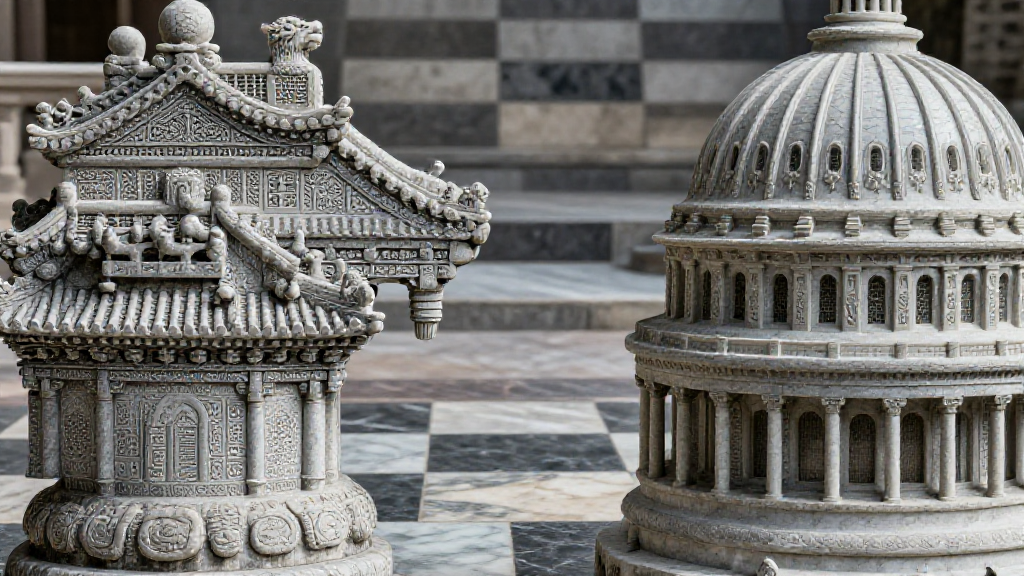
BEIJING – China has formally declined an invitation from the United States to participate in the proposed Gaza Board of Peace, an initiative spearheaded by former President Donald Trump. The rejection signals Beijing’s firm adherence to the existing multilateral framework, explicitly prioritizing the United Nations as the core authority for international conflict resolution.
The Chinese Embassy in India spokesperson, Yu Jing, confirmed Beijing's stance via X on Thursday, quoting the Ministry of Foreign Affairs (MOFA). The statement emphasized that China continues to practice "true multilateralism" and will remain committed to safeguarding the UN-centered international system and the order based on international law.
The development comes as former President Trump seeks to formally launch the Board this week on the sidelines of the World Economic Forum in Davos. Trump has framed the body as a more effective alternative to current UN mechanisms, suggesting it will supersede the organization’s role in delivering tangible results, particularly regarding the Middle East conflict. He reportedly claimed the initiative, which he described as the "most prestigious board ever assembled," has secured acceptances from numerous nations, including an unverified claim regarding Russian participation.
The Gaza Board of Peace is positioned as Phase 2 of Trump’s broader peace strategy, initially intended to oversee post-conflict reconstruction and stabilization in the Gaza Strip. However, its mandate appears to be expanding to mediate broader global conflicts. Details released suggest an Executive Board structure where contributing nations committing USD 1 billion would secure permanent seats, while others receive three-year terms.
This divergence highlights a fundamental geopolitical cleavage: the US-led effort to establish parallel, highly selective governance mechanisms versus China’s advocacy for established, universally recognized international institutions. While several nations, including Israel, UAE, Turkey, and Egypt, have reportedly accepted invitations, China’s refusal solidifies its position as a key global actor unwilling to endorse parallel structures that challenge the primacy of the United Nations.
Source attribution: Based on reporting from various international outlets, including Deccan Chronicle.