Weeks before Bangladesh holds its pivotal national election on February 12, political discourse in Dhaka is dominated by discussions of institutional power, specifically the enduring influence of the military establishment, often cryptically referenced as 'Kochukhet.' This election follows the dramatic 2024 popular uprising that ended Sheikh Hasina’s tenure and installed an interim administration led by Nobel laureate Muhammad Yunus.
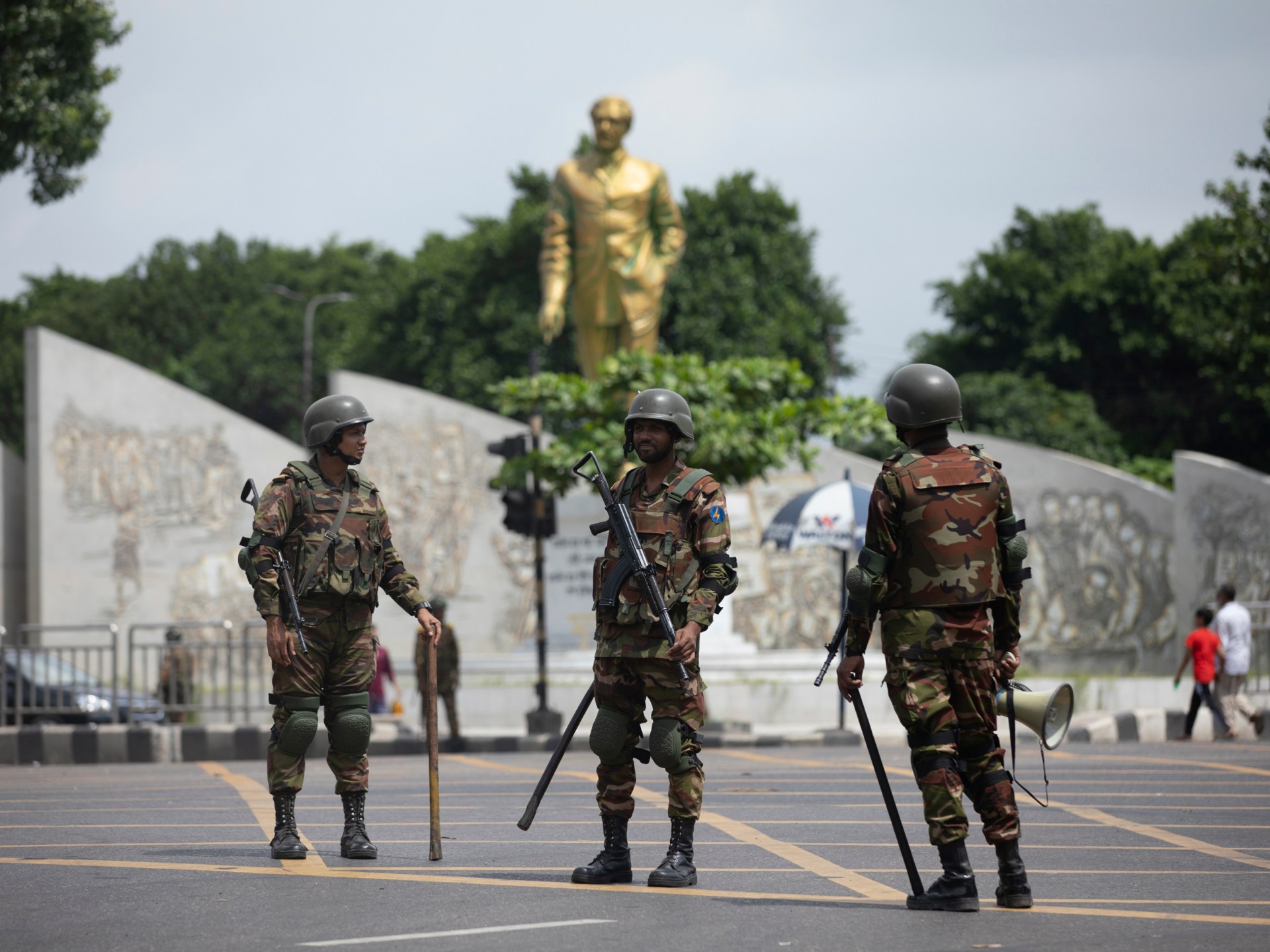
The armed forces are not officially contesting the vote, yet they serve as the most visible anchor for public order. With domestic police forces suffering morale and capacity deficits after the political collapse, the army has been deployed with magisterial powers for nearly 18 months. This presence is set to intensify, with projections of up to 100,000 troops nationwide, and proposed rule changes formally recognizing the military as a key law-enforcement agency during polls, reinforcing its visible role in civilian affairs.
Bangladesh’s history, rife with coups and military rule following its independence, informs current perceptions. Analysts suggest the army today, while not positioning for a direct seizure of power—a move they learned to avoid after past fallout—retains decisive leverage. This influence stems from embedded security networks, intelligence operations, and a significant corporate footprint across state infrastructure and commercial bodies, effectively narrowing the scope of civilian political choice.
Thomas Kean of the International Crisis Group notes the army has been ‘backstopping the interim government’ amid security weaknesses, eager for a return to constitutional governance to allow troops to withdraw. He posits that if the leadership, including General Waker-uz-Zaman, had intended a takeover after Hasina’s departure on August 5, they possessed the opportunity, suggesting their restraint was calculated.
Furthermore, institutional self-interest plays a role. Asif Shahan, a Dhaka University professor, highlights that a direct military regime would jeopardize lucrative United Nations peacekeeping deployments, which provide substantial financial reimbursements to the armed forces. This pragmatic calculus discourages overt intervention, shifting the military’s role toward subtle, institutional pressure.
Shahan also points to the military’s extensive ‘corporate’ domain, which accumulated privileges under the previous administration. This creates an internal concern regarding whether future civilian governments will respect these accumulated benefits, translating into informal leverage on the incoming administration to maintain the status quo.
Experts largely agree that overt partisan action by the military is improbable unless stability completely deteriorates, creating a public demand for their intervention as the sole stabilizing force. Former officer Rajib Hossain stresses that the institution is acutely aware that any perceived failure to remain neutral could erode its remaining public credibility.
This cautious posture is a marked shift from Bangladesh’s past, which saw the military directly shape political outcomes, notably through the rise of figures like Ziaur Rahman and Hussain Muhammad Ershad. While the military’s role in enabling the 2024 transition—by refusing to fire on civilians—was decisive, its current engagement appears calibrated to protect its institutional and financial interests while facilitating a managed return to elected rule. (Source: Al Jazeera reporting)