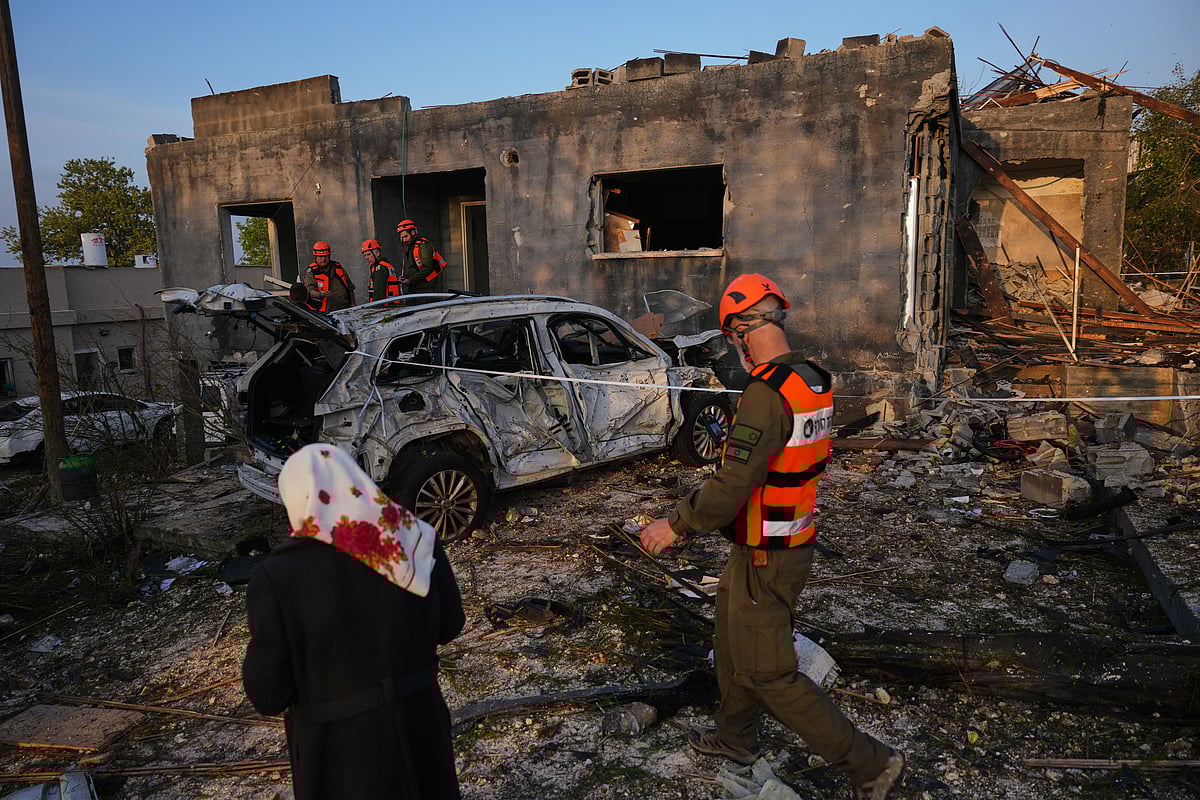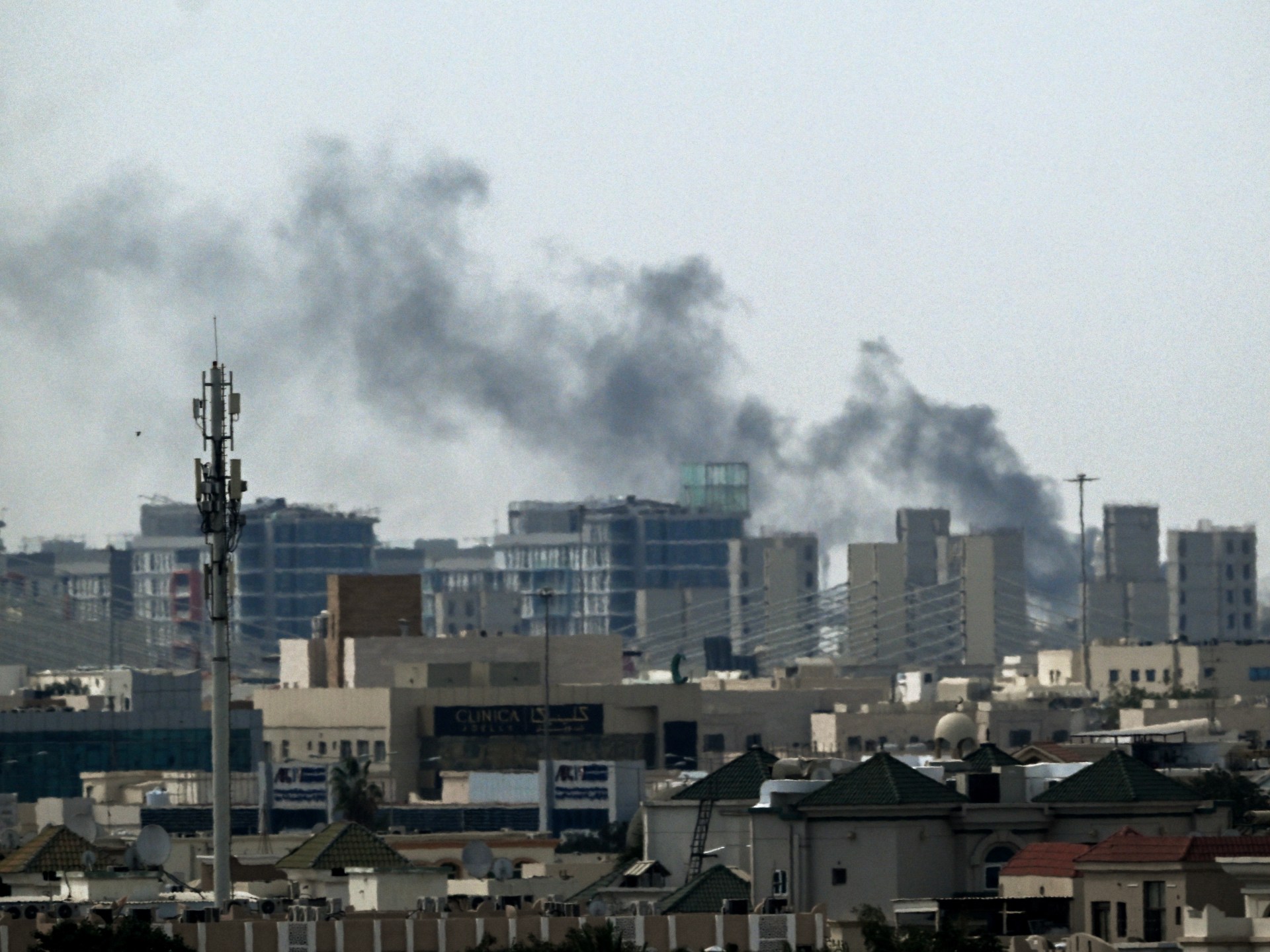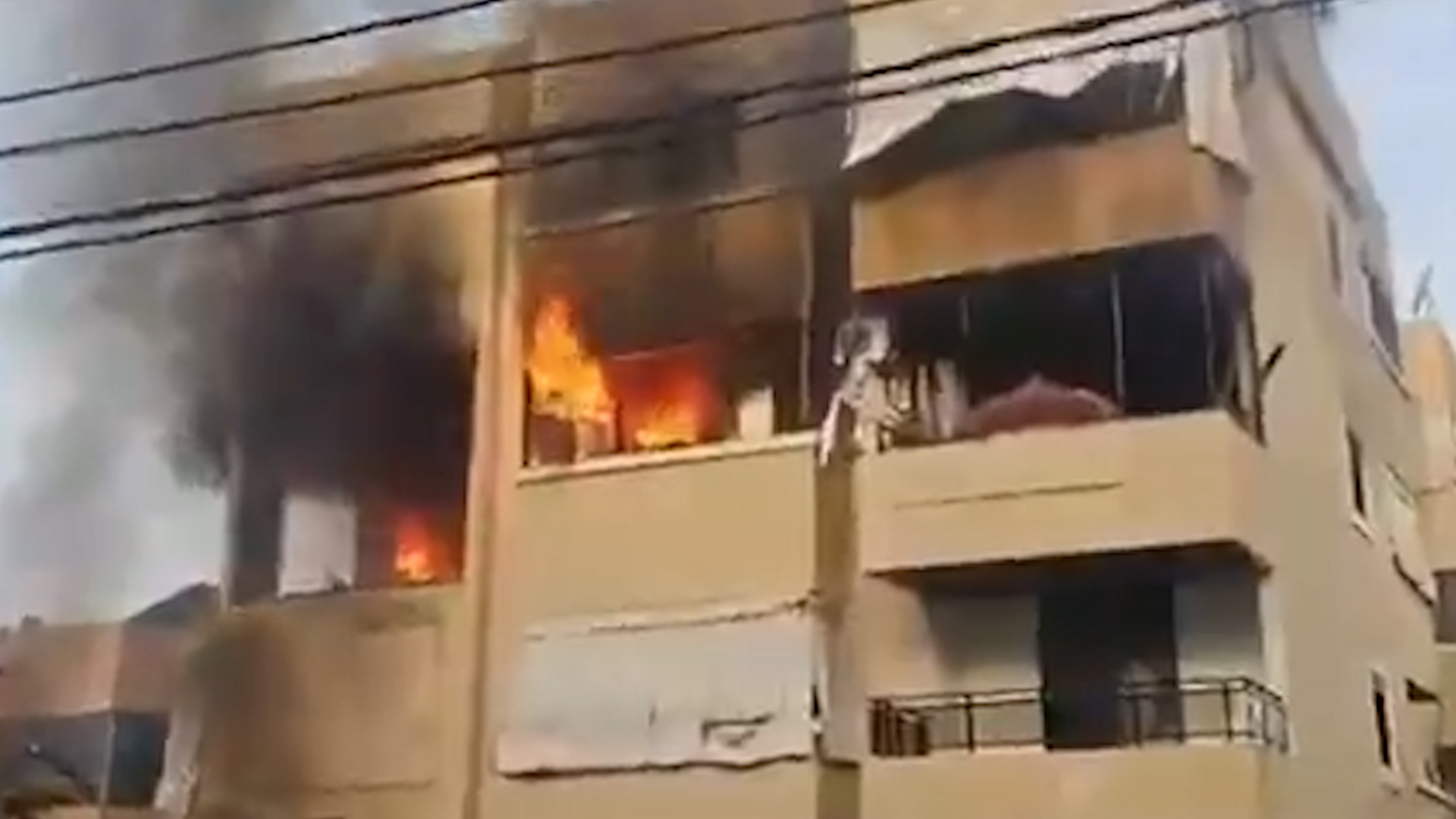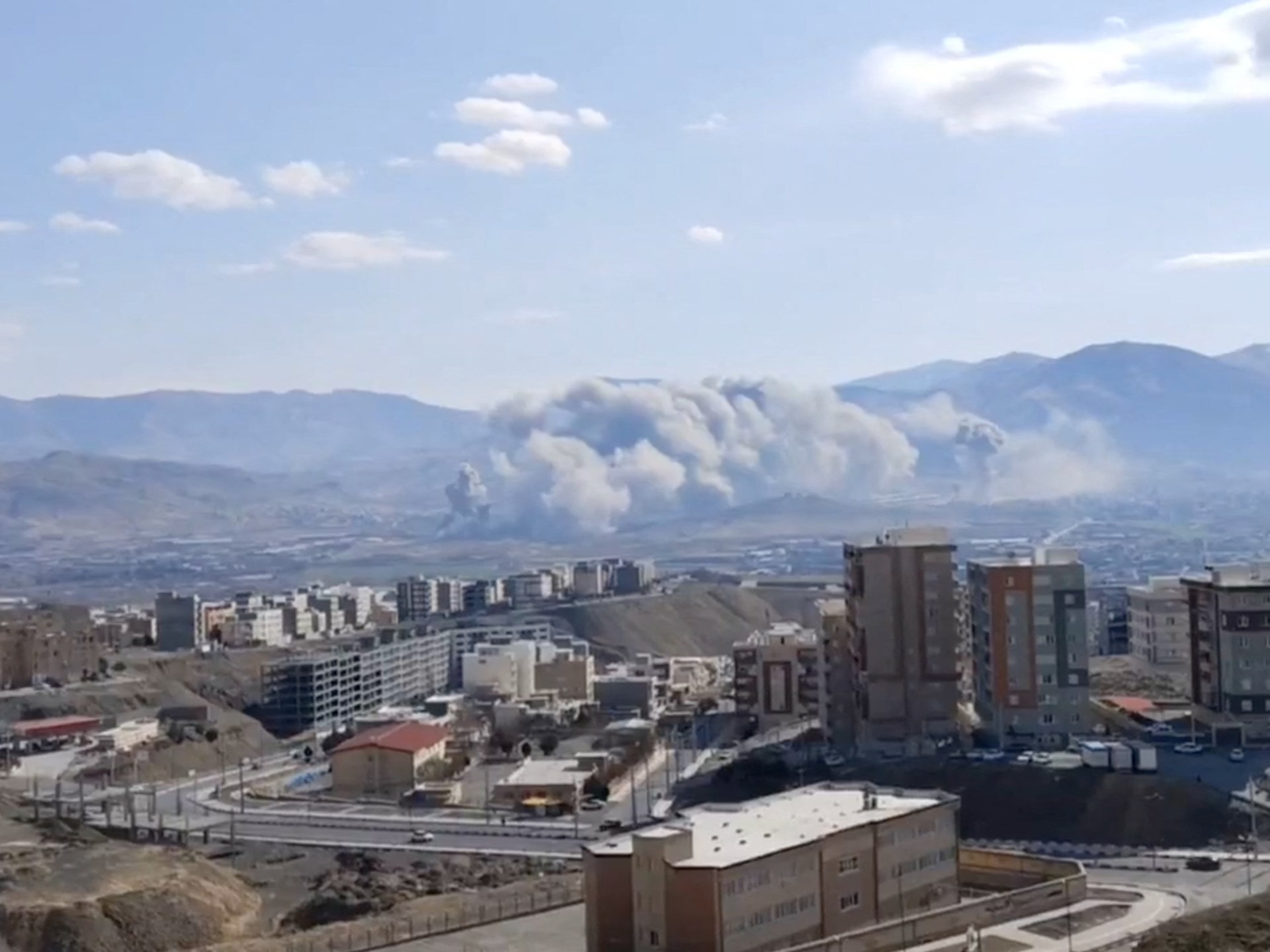
At least 112 people died in military strikes targeting Iran’s Kurdistan province on Friday, according to local authorities. United States and Israeli forces reportedly conducted the operation amid rising tensions in the Middle East. Iran’s state media cited unnamed officials regarding the casualty count and the specific nature of the recent assault.
The head of the Kurdistan Provincial Emergency Department stated that 969 individuals sustained injuries during the incident. 27 patients remain in standard hospital wards, while five require intensive care treatment. These figures represent the immediate human cost of the cross-border military engagement affecting the civilian population.
This violence marks a significant escalation in the region following reports of Washington encouraging Iranian Kurdish opposition groups to act. Speculation suggests President Donald Trump held direct talks with Kurdish factions across the Iraq border. Such diplomatic channels aim to trigger a popular uprising within Iranian territory to destabilize the regime.
Kurds constitute an indigenous ethnic minority spread across Turkey, Syria, Iraq, Iran, and Armenia. Estimates indicate they comprise nearly 10% of Iran’s population, though no official census data confirms this number. The group shares a distinct language and culture without possessing an independent state or recognized borders.
Iranian Kurdish opposition movements maintain close ties with Iraqi Kurdish factions and operate from northern Iraq. Collective estimates suggest these groups field several thousand fighters capable of ground operations. Tehran has historically viewed these militias as a security threat to national sovereignty and territorial integrity.
President Trump recently stated he did not want the Kurds to launch a full offensive against Iran. He remarked that the United States did not wish to make the war more complex than it already is. This comment contrasts with reports of active military coordination prior to the attacks on Friday.
Iranian security forces launched an operation against Kurdish groups in the semi-autonomous region of neighboring Iraq last week. The Iraqi Kurdish regional government denied involvement in any plans to arm factions for an incursion into Iran. Officials claim no coordination exists between their administration and external military actions.
The strikes complicate regional security dynamics and raise questions about external involvement in internal conflicts. Analysts warn that increased foreign support for insurgent groups could destabilize border regions further. Economic corridors linking the Middle East face potential disruption from prolonged hostilities affecting trade routes.
International observers are monitoring the situation closely for signs of broader escalation between state actors. The response from Tehran remains a critical variable in determining the longevity of the conflict. Diplomatic efforts may struggle to contain the fallout from such significant military losses across the region.
Markets and geopolitical stakeholders will watch for subsequent retaliatory measures from Iranian leadership. The stability of oil supplies in the Persian Gulf remains a primary concern for global energy security. Future developments will likely dictate the scope of international intervention in the coming months.