Asian economies face severe energy instability as conflict in the Middle East intensifies. More than 80% of crude oil and liquefied natural gas passing through the Strait of Hormuz heads to the Asia-Pacific region. Policymakers in Southeast Asia confront fuel supply difficulties that threaten regional growth. This crisis marks the toughest test for the region since the global pandemic.
Energy Security Risks
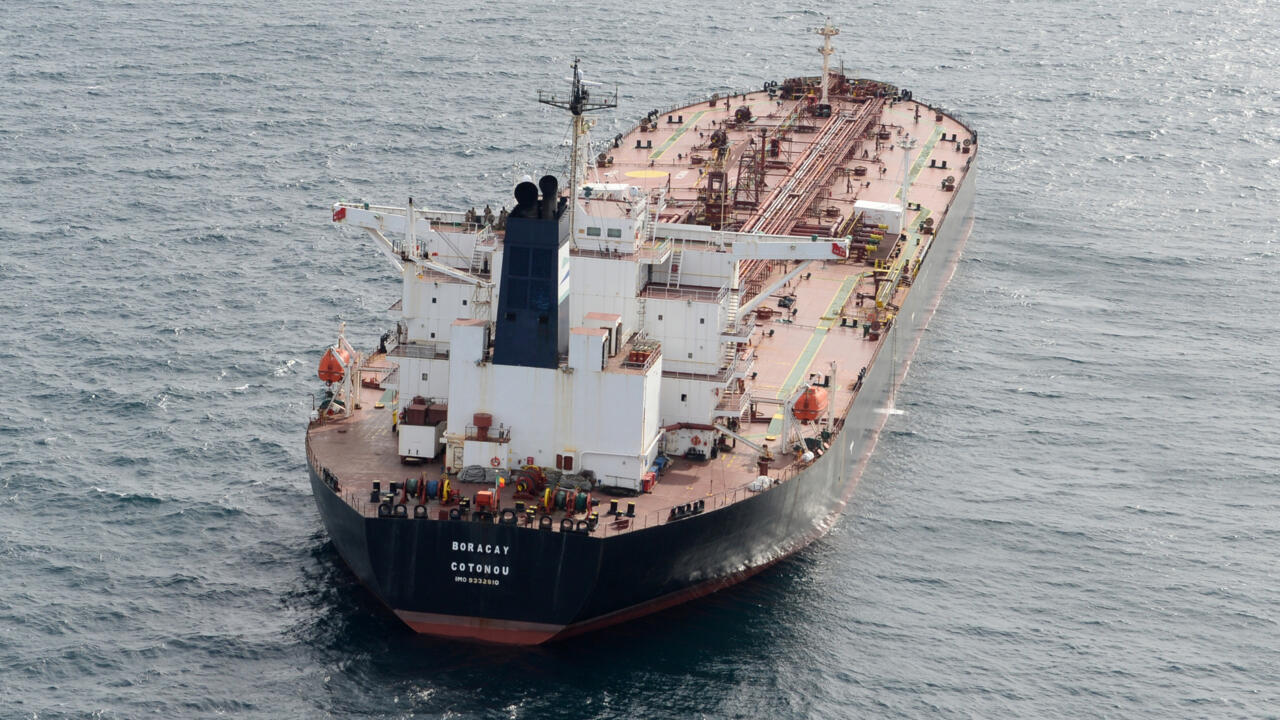
The strategic chokepoint remains critical for global energy security. Disruptions in the Persian Gulf directly impact fuel availability in major importers. Supply chains face delays as shipping routes become increasingly volatile. Analysts warn that prolonged instability could drive prices higher.
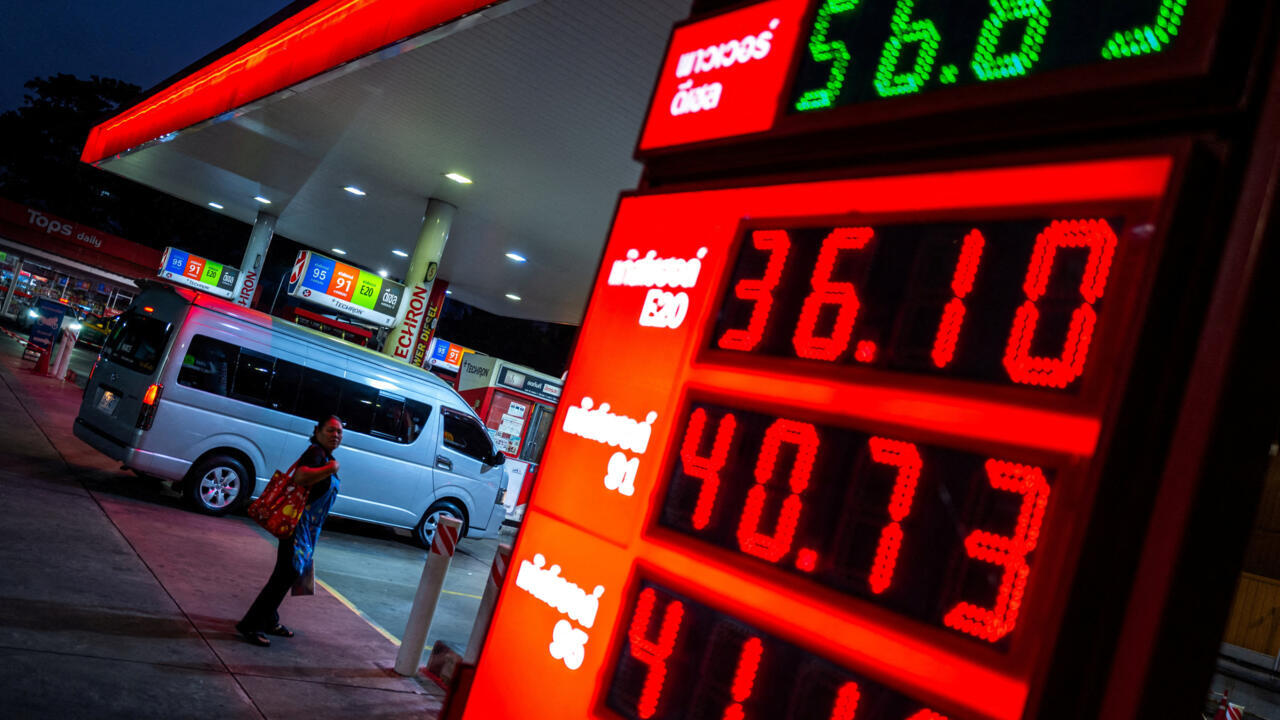
Nations like Japan and South Korea rely heavily on imported energy sources. Economic forecasts suggest inflation could rise if supply constraints persist. Governments are considering emergency reserves to mitigate immediate shortages. Industry leaders report increased costs for logistics and manufacturing.
The situation compares unfavorably to previous energy shocks in the last decade. Unlike the 2014 oil price crash, current tensions involve direct military escalation. The risk of wider conflict adds a layer of uncertainty to market predictions. Investors remain cautious regarding asset allocation in the region.
Geopolitical Context
Geopolitical tensions between the United States and Iran continue to escalate. Military actions in the region threaten to close vital shipping lanes permanently. Diplomatic efforts have failed to de-escalate the situation so far. Markets react negatively to any news of further hostilities.
"More than 80% of the crude oil and liquefied natural gas that passes through Strait of Hormuz heads to Asia," France 24 reported.
Rochelle Ferguson Bouyahi highlighted the severity of the situation in her recent analysis. She noted that Southeast Asia has suffered fuel supply difficulties recently. The report underscores the dependency of Asian markets on Middle Eastern stability.
Energy security remains a top priority for national leaders across the continent. Diversifying supply sources is difficult given the current global demand. Renewable energy projects may accelerate but cannot replace oil immediately. The transition period poses significant economic risks.
What comes next depends on diplomatic negotiations and military outcomes. Observers will watch for any changes in shipping insurance rates. Central banks may adjust interest rates to manage inflationary pressures. The global economy waits for a resolution to the conflict.