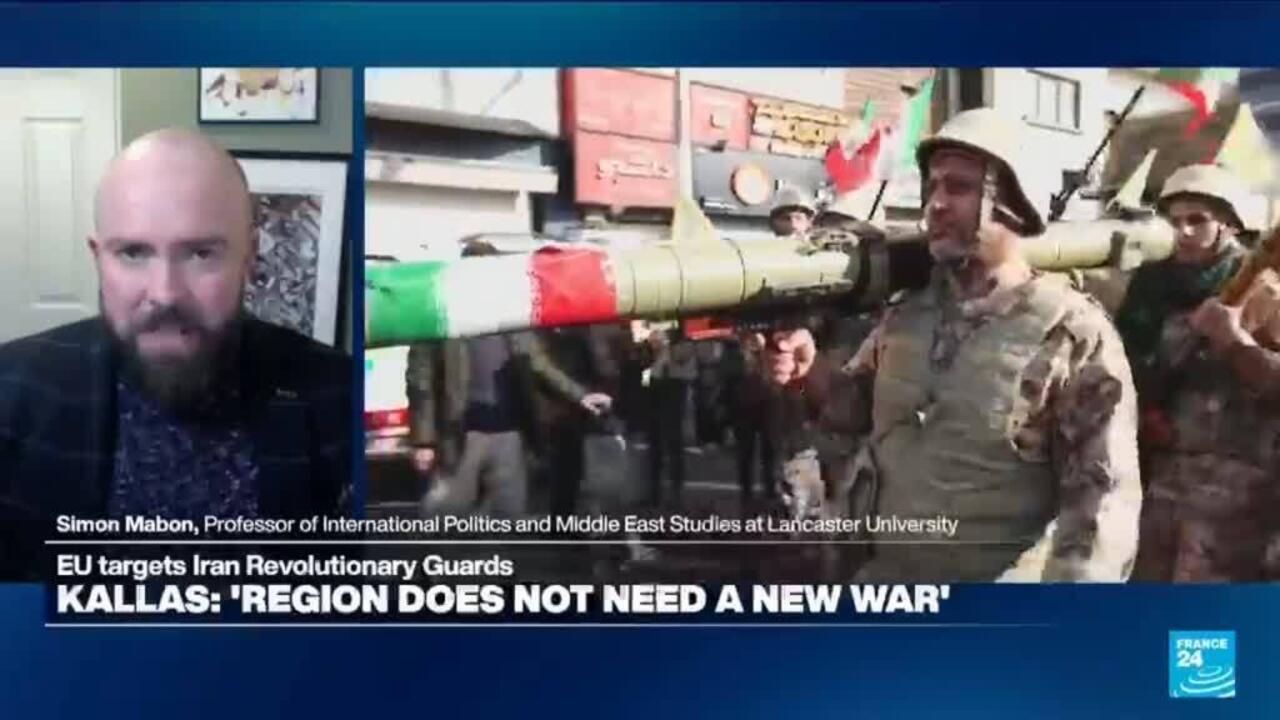
Professor Simon Mabon of Lancaster University stated that the Iranian regime has forfeited its legitimacy both domestically and on the international stage amid ongoing widespread unrest. Speaking to FRANCE 24, Mabon characterized the current protests as qualitatively distinct from prior demonstrations across several key metrics.
The analyst highlighted the sheer size of the demonstrations and the breadth of societal groups participating as major differentiators in the current environment. Furthermore, Mabon cited the notable ferocity employed by the state apparatus in its response to the dissent.
These combined factors, according to the professor’s assessment, serve as strong indicators that the governing structure is currently operating under severe duress. The situation suggests the regime is in a "dire financial, political and social state," Mabon reported.
The sustained nature and scale of the anti-government movements place unprecedented pressure on Tehran’s security and economic apparatuses. Such widespread internal challenges often complicate a nation's standing in delicate international economic negotiations.
Geopolitically, a regime perceived as internally fragile may face altered calculations from regional and global powers regarding diplomatic engagement and trade agreements. The internal stability directly impacts Iran's reliability as an economic partner or adversary.
Observers note that prolonged civil disruption frequently correlates with reduced foreign direct investment and increased commodity price volatility linked to the affected nation. For global markets, sustained Iranian instability introduces layers of geopolitical risk premiums.
Moving forward, the trajectory of these internal conflicts will dictate the extent to which international sanctions regimes remain effective or require adjustments based on the governing structure's capacity to enforce compliance. The outcome will shape Tehran's near-term economic policy choices.