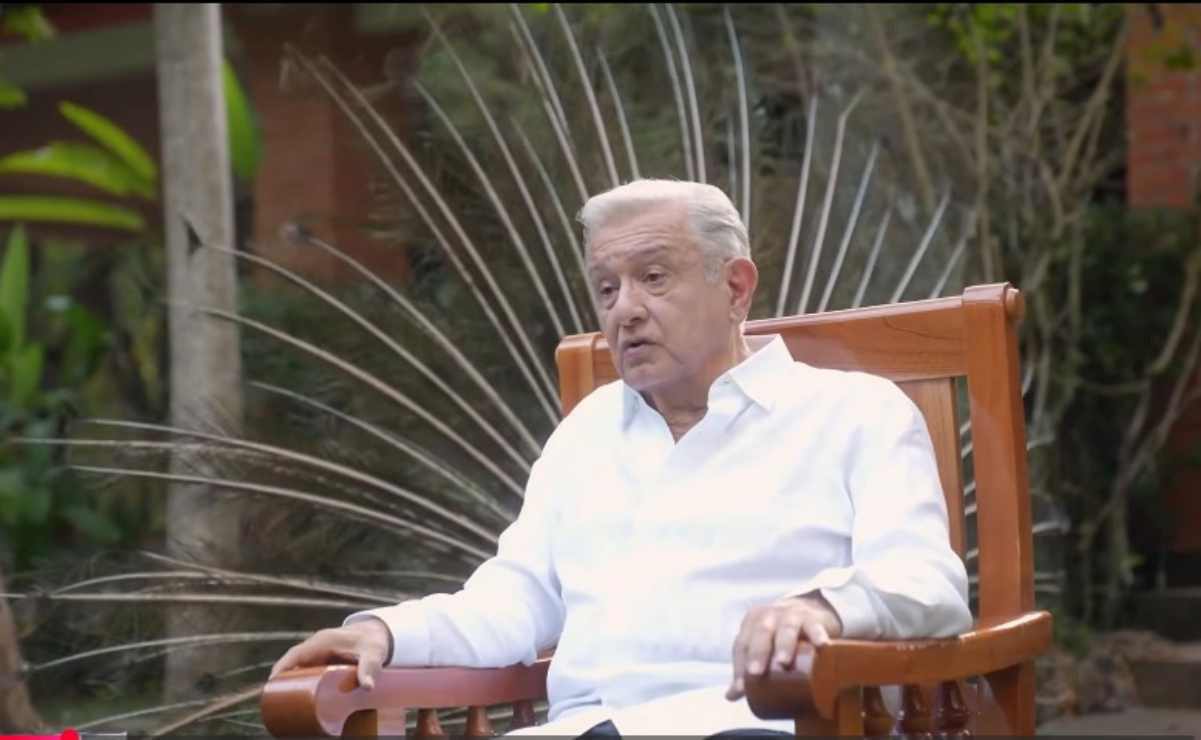
Former Mexican President Andrés Manuel López Obrador has temporarily suspended his official retirement to advocate for urgent humanitarian aid to Cuba. The ex-leader issued a detailed public appeal on his verified social media account urging citizens to donate funds for essential supplies. This strategic move comes as the island nation faces severe energy shortages following significant disruptions in Venezuelan petroleum exports. The initiative highlights the ongoing political tensions between the Mexican left and the United States regarding Caribbean stability.
López Obrador provided specific banking coordinates for the initiative, directing contributions to a Banorte account managed by the civil association Humanidad con América Latina. The funds aim to purchase food, medicine, and fuel for the Cuban population, according to the statement released on Thursday. He invited individuals across the nation to contribute whatever amount they could afford to support the island effectively. The account details were shared to ensure transparency regarding the destination of private donations and logistical costs.
In his post, the former president expressed deep concern regarding the political pressure facing the Caribbean nation under international sanctions. He stated that searching to exterminate Cuban ideals of sovereignty hurt his conviction as a libertarian leader who values national independence. This marks the first significant public intervention since he departed the presidency in October 2024 to live in Palenque. His return signals a shift from passive retirement to active political advocacy regarding regional allies and geopolitical stability.
The exmandatario had previously returned to public discourse on January third regarding the volatile situation in Venezuela. He characterized the recent capture of Nicolás Maduro as an unlawful attack on sovereignty that required immediate condemnation. That post also included advice directed at United States leadership to exercise practical judgment rather than complacency in foreign policy. This continuity suggests a long-term commitment to opposing US hegemony in the Western Hemisphere.
The crisis in Cuba deepened after the political changes in Venezuela in January resulted in a cutoff of subsidized oil from Caracas. United States sanctions and military interventions blocked key resources, exacerbating economic and social problems on the island significantly. Current reports indicate near-total blockades on critical sectors affecting daily life there during the current fiscal quarter. The energy shortage has triggered widespread blackouts and fuel scarcity across the archipelago. Washington's decision to tighten restrictions has left the island dependent on alternative suppliers that remain limited.
President Claudia Sheinbaum Pardo confirmed on February 17 that the Mexican government continues to send humanitarian assistance to the island. She noted that direct fuel sales would cease to protect Mexico's national interests against external economic pressure. The administration maintains dialogue to avoid regional collapse while managing economic risks within its own borders. She emphasized that Mexico prioritizes food and medicine over energy products in this current phase of support to ensure civilian welfare.
Mexican naval vessels Papaloapan and Huasteco delivered a third cargo of aid to Havana Bay on March 13, 2026, according to the Navy. These logistical operations demonstrate a continued commitment to the region despite the cessation of crude oil shipments from Pemex. The government prioritizes food and medicine over energy products in this current phase of support to ensure civilian welfare. This operation confirms Mexico's willingness to maintain supply lines through state assets.
This development highlights the ongoing geopolitical friction between Mexico and the United States regarding Caribbean policy and energy subsidies. Mexico balances its diplomatic relationships with both regional leftist movements and international economic partners to maintain stability. The situation underscores the fragility of energy supply chains in the Americas and their susceptibility to political shifts. Regional observers note that Mexico is attempting to mitigate humanitarian crises without violating trade agreements. The potential for escalation remains a key concern for investors monitoring the Latin American market stability.
Observers will watch closely to see if private donations match the volume of state aid provided by the Mexican government. The situation requires sustained attention as economic pressures mount in both Mexico and Cuba over the coming months. Future diplomatic shifts could depend on how these humanitarian corridors evolve under changing international regulations. The outcome will test the resilience of the Mexican left's international solidarity network. Long-term economic impacts on the peso and regional trade flows are expected to be monitored by financial analysts.
Mexico's economy faces potential strain from these humanitarian commitments given the current inflation rates. The peso has shown volatility linked to regional instability, affecting import costs for essential goods. Financial institutions are monitoring the situation to assess potential risks to cross-border trade volumes. Analysts predict that sustained aid efforts could require budget adjustments in the next fiscal cycle. This economic pressure complicates the administration's ability to fund domestic social programs simultaneously.