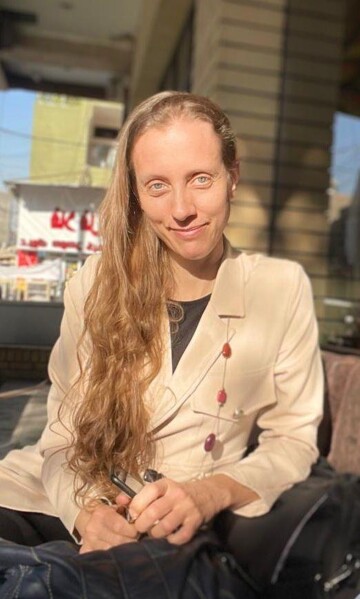
American freelance journalist Shelly Kittleson was released in Baghdad on Tuesday, according to an Iraqi official familiar with the situation. Kittleson had been held captive since she was abducted from a city street last week.
The powerful armed group Kataib Hezbollah confirmed in a statement that they were responsible for the kidnapping. The group claimed the release was a gesture of "appreciation of the patriotic stances" of Iraq's outgoing prime minister, Mohammed Shia al-Sudani.
Kataib Hezbollah officials stipulated that Kittleson must depart the country immediately. The group had not previously acknowledged its role in the abduction, despite assertions from both U.S. and Iraqi officials regarding the militia's involvement.
Behind the negotiations
Sources within the armed group told the Associated Press that the release was part of a broader deal. In exchange for freeing Kittleson, several members of the militia currently detained by Iraqi authorities are expected to be released.
Kittleson, 49, has spent years reporting across the Middle East. Her abduction occurred shortly after she returned to Iraq, despite multiple warnings from U.S. officials regarding the security threats she faced in the region.
Iraqi security officials previously detailed the circumstances of the kidnapping, noting that two vehicles were involved in the operation. During the initial abduction near the town of al-Haswa, one vehicle crashed while under pursuit, prompting the kidnappers to transfer the journalist to a second car.
Negotiations for her freedom faced several hurdles in recent days. While the U.S. State Department has not yet provided a formal comment on the release, the case highlights the persistent dangers faced by independent journalists working in volatile zones without the backing of major media organizations.