More than 64,000 Lebanese citizens remain internally displaced over a year after the November 2024 ceasefire between Hezbollah and Israel took effect, according to International Organization for Migration figures compiled in October 2025. These individuals cannot return to homes in the south due to continued cross-border hostilities and Israeli military presence, as reported by Al Jazeera.
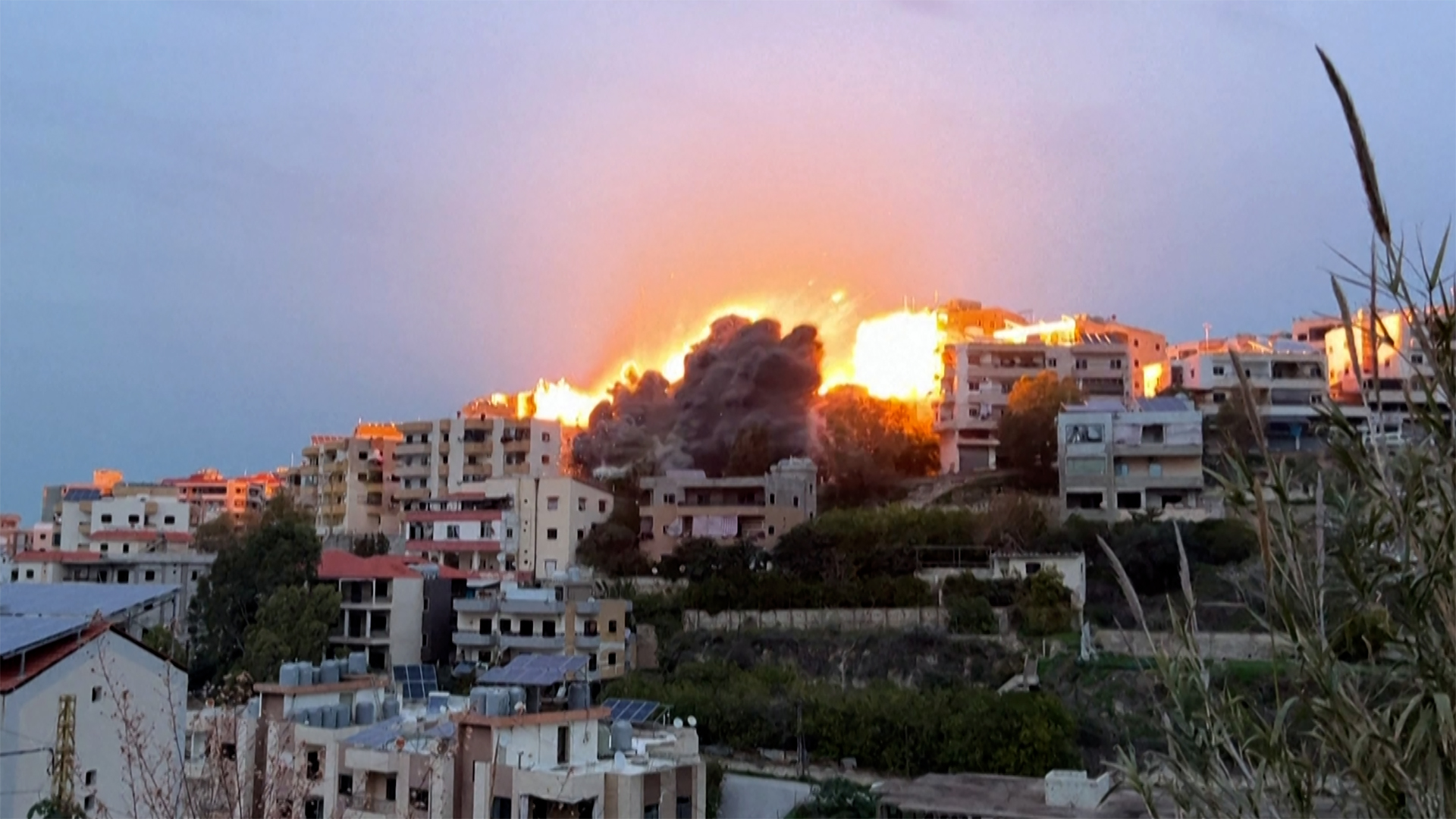
Despite the cessation of large-scale fighting, Israeli forces reportedly maintain control over five points in southern Lebanon and continue near-daily attacks across the south and Bekaa Valley. The Lebanese government logged over 2,000 ceasefire violations by Israel in the final three months of 2025, fueling fears among displaced populations like Ali, who fears returning to his village near Bint Jbeil.
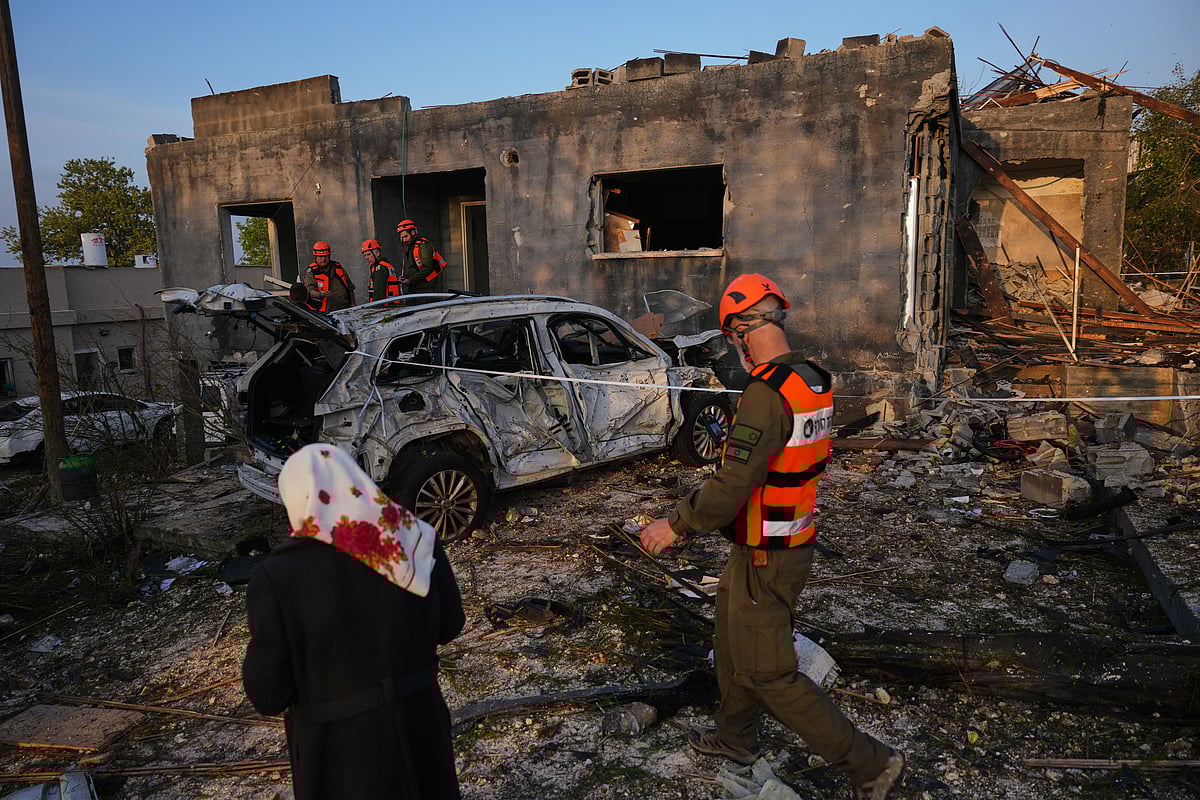
The security vacuum is exacerbated by a lack of effective state support for reconstruction, leaving many families unable to finance repairs to heavily damaged or destroyed properties. Human Rights Watch noted that Israeli forces have unlawfully targeted reconstruction equipment since the ceasefire, significantly impeding residents' ability to rebuild their homes.
For those who have managed to return, like Ramez from Beirut’s southern suburbs, reconstruction costs have been largely self-funded, with minimal government assistance, such as a one-time payment reportedly valued at just over $330. Reports regarding aid from Hezbollah are mixed, with some recipients claiming payments were insufficient or ceased for non-members.
This humanitarian challenge occurs against the backdrop of Lebanon's ongoing economic collapse, now entering its seventh year, characterized by massive currency devaluation and frozen bank accounts. This financial instability severely limits the capacity of both the state and affected families to manage recovery efforts.
Geopolitically, Hezbollah faces increased pressure to disarm while navigating severe financial strain following the 2024 war and the disruption of supply lines via the fallen Bashar al-Assad regime in Syria. These internal and external pressures complicate any large-scale, organized repatriation or rebuilding effort.
The continued displacement highlights the fragility of the 2024 security arrangement, where a formal ceasefire has not translated into the necessary security or economic stability for hundreds of thousands to resume normal life in the south.