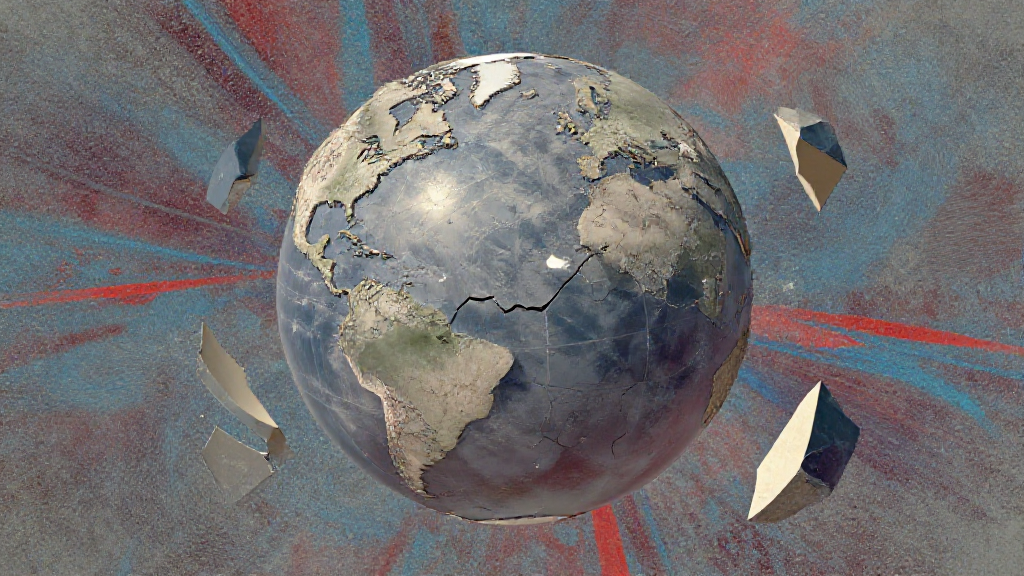
The United States has formally concluded its withdrawal from the World Health Organization (WHO), marking a significant, if anticipated, fracture in the global public health governance structure. Announced by the Department of Health and Human Services (HHS) and the Department of State, the departure follows an executive order initiated last year by the preceding administration.
A senior HHS official stated that the WHO had “strayed from its core mission and has acted contrary to the U.S. interests in protecting the U.S. public on multiple occasions.” The critique centered heavily on the agency's handling of the COVID-19 pandemic, particularly perceived delays in declaring a global health emergency and disagreements over early travel restrictions imposed by the U.S. government.
Beyond the pandemic management, the administration highlighted financial disparities, noting that the U.S. contributes significantly more monetarily than key member states like China, and pointed to the absence of an American Director-General despite substantial financial commitments.
The withdrawal, however, has drawn sharp criticism from leading public health bodies. Experts argue the decision is scientifically reckless and strategically shortsighted. “Global cooperation and communication are critical to keep our own citizens protected because germs do not respect borders,” noted Ronald Nahass, president of the Infectious Diseases Society of America. Concerns center on the U.S.'s diminished capacity to surveil emerging threats, such as Ebola, and effectively coordinate responses to endemic issues like seasonal influenza, including vaccine strain matching.
Procedurally, the U.S. met the one-year notice requirement. However, reports indicate the U.S. currently owes over $270 million in assessed contributions for the 2024-2025 period. HHS officials maintain that the U.S. is not obligated to remit these funds under the 1948 WHO Constitution, asserting that Washington will pivot to bilateral agreements and direct funding to fill the resulting surveillance gaps.
The WHO Secretariat acknowledged the withdrawal, noting the matter would be addressed by its Executive Board in its upcoming February meeting. With the U.S. currently slated not to participate even as an observer, its traditional influence in critical forthcoming technical meetings, such as the annual flu shot prioritization summit, remains uncertain. This institutional decoupling represents a notable geopolitical shift, potentially creating leadership vacuums in critical transnational health security mechanisms.
Source: Based on reporting from abcnews.go.com.