The limited reopening of the Rafah crossing this week did not alleviate the suffering for all those dependent on emergency medical evacuations from the Gaza Strip, according to reports published on February second, 2026. Numerous individuals in life-threatening conditions faced delays that proved fatal while awaiting the coordination necessary for passage into Egypt.
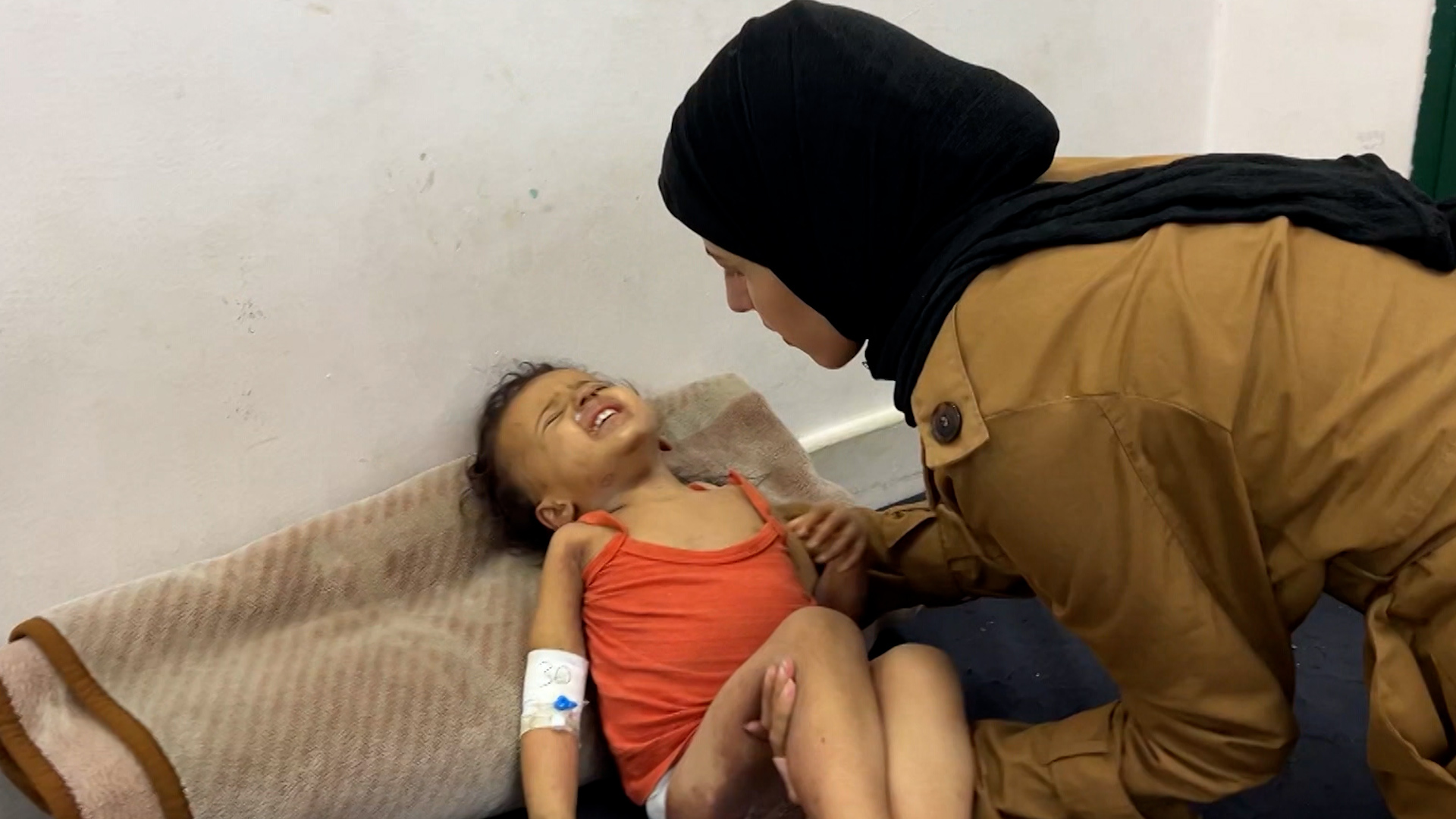
Al Jazeera correspondent Hind Khoudary documented the profound anguish of a mother who confirmed the death of her young child while the family remained stranded near the border. This incident underscores the critical gap between diplomatic efforts to allow passage and the immediate humanitarian need on the ground.
Reports indicate that the processing bottlenecks and the limited window of the crossing's operation meant that many patients, including children requiring specialized care unavailable in Gaza, could not be moved in time. The precise number of individuals denied passage due to these delays remains unclear, though advocacy groups have long warned of this severe consequence.
International health organizations have consistently flagged the lack of functional medical infrastructure within Gaza, making external evacuation a necessity for complex or advanced treatments. The closure of primary transit points, including Rafah, has effectively created an internal medical siege for those already vulnerable.
Geopolitical maneuvering surrounding the border crossing often dictates the pace of humanitarian access, creating unpredictable timelines for patients. This situation highlights the fragility of non-military aid corridors when subject to shifting security and political agreements between involved regional actors.
Observers suggest that while any reopening is a positive step, the capacity must be scaled significantly beyond current levels to address the backlog of thousands of documented medical cases. Failure to establish a reliable, high-throughput evacuation mechanism will continue to result in preventable mortality, according to humanitarian analysts.
The situation at Rafah remains a focal point in broader discussions concerning international obligations to protect civilian populations during protracted conflict scenarios. The focus now shifts to securing guarantees for sustained access rather than temporary, intermittent openings.