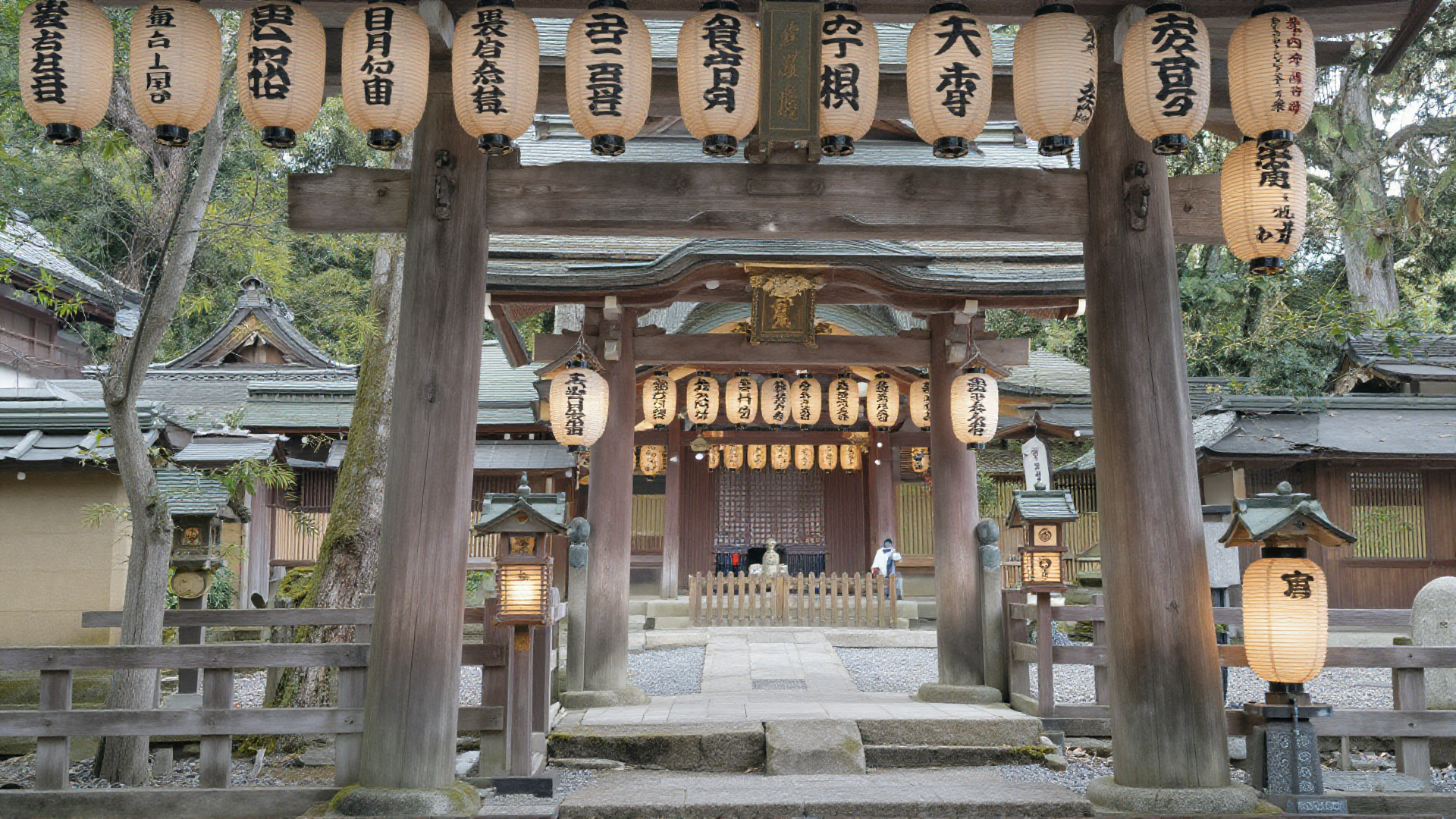
The Pokémon Company confirmed the cancellation of a planned trading card game event slated for Saturday at the Yasukuni Shrine in Tokyo, citing swift backlash from Chinese observers. This decision followed public condemnation of hosting an event targeting children at a site considered highly controversial in East Asia, according to reports Friday.
The event was organized by a certified third party, but The Pokémon Company accepted responsibility for advertising the location on its official channels. The firm issued a sincere apology for the reactions generated by the publication, admitting the situation was the result of insufficient vetting processes.
The Yasukuni Shrine commemorates Japanese war dead, but its register includes over 1,000 convicted war criminals from World War Two. This history has made the shrine a persistent flashpoint for diplomatic tensions, particularly with nations like China and South Korea that suffered under Imperial Japanese occupation.
Chinese state media strongly condemned the planned gathering earlier this week. The People's Daily, the official outlet of the Chinese Communist Party, warned that brands disregarding history risk abandonment by Chinese consumers. The Global Times praised netizens for their criticism, labeling the event as an affront to historical truth.
This incident highlights the precarious position multinational corporations occupy when navigating sensitive historical narratives in the Asia-Pacific region. The immediate cancellation demonstrates the commercial sensitivity to organized boycotts or sustained negative commentary originating from the mainland Chinese market.
This corporate misstep occurs amid heightened geopolitical friction between Tokyo and Beijing, specifically concerning statements by Japanese Prime Minister Sanae Takaichi regarding Taiwan’s defense posture. Previous diplomatic spats have led to postponed film releases and travel advisories between the two nations.
The Pokémon Company stated it will now undertake a thorough review and reinforcement of its approval protocols to ensure similar errors do not recur. The franchise, which began as a video game in 1996, maintains substantial commercial interests across the entire Asian market.