April Fools Day approaches, prompting deep analysis on marketing strategies within the global gaming sector. Polygon reports that brands often use the holiday to test serious concepts disguised as jokes. Industry observers suggest a return to genuine fun could benefit engagement significantly. The trend marks a shift from corporate secrecy to community interaction in digital spaces.
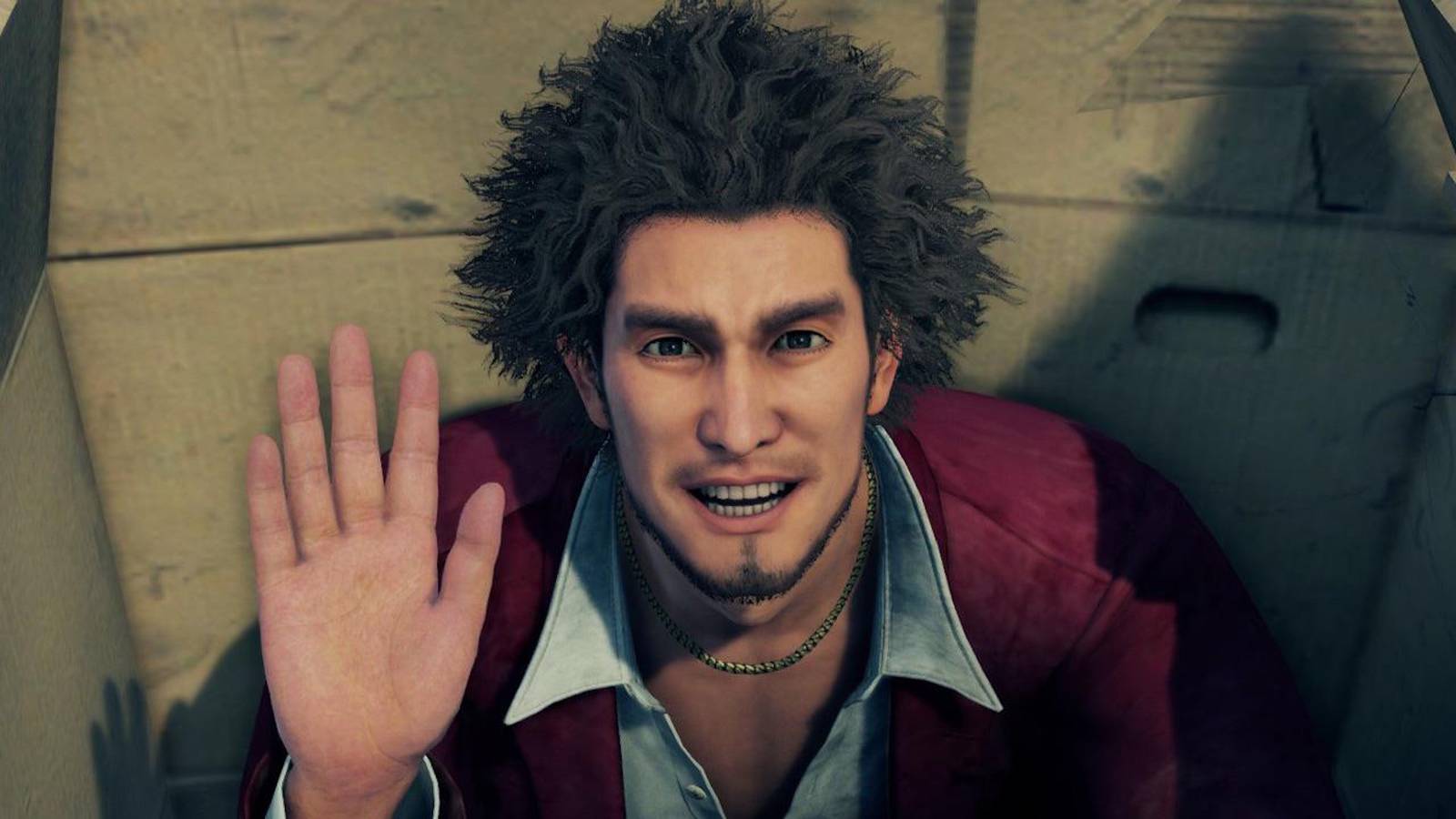
Historical examples show mixed results regarding stealth announcements and player expectations across the industry. Nintendo teased Fire Emblem Echoes, which launched later but stayed isolated in a subseries corner. Yakuza 7 became a turn-based RPG after a similar prank, proving the concept worked during development. This approach helped developers gauge player reaction before committing resources to major changes.
Successful Campaigns Drive Engagement
Larian Studios exemplifies modern success with Baldur's Gate 3 and its dedicated community management. The team highlighted ridiculous mechanics like launching gnomes from windmills to attract new fans. This approach helped the title break beyond the Dungeons and Dragons core audience effectively. The studio continued this strategy after launch to maintain community interest and drive sales consistently.
Capcom embraced the humor surrounding Resident Evil Requiem with unexpected collaboration. Even Nintendo and McDonald's participated in the meme culture around the character Leon. Such collaborations turn minor details into significant marketing moments for the franchise. The reach extended beyond traditional gaming outlets to mainstream media and food services.
"The impulse to not lean into the fun kinda seems like a missed opportunity," the Polygon report stated.
Blizzard demonstrated the power of spectacle with the Overwatch relaunch and seasonal updates. Season 1 brought five new characters but relied on structural changes from the previous year. Coordinated publicity drives caused server crashes due to high player counts and anticipation. Player numbers remained higher than ever following the event and marketing push.
Industry Challenges and Opportunities
The industry faces serious challenges this year regarding economic stability and development cycles. Economic pressures and layoffs make fun seem secondary for many publishers and studios. However, the opportunity to stand out remains critical in a crowded and competitive market. Brands that ignore the holiday risk blending into the background noise of daily news.
Future campaigns should learn from these precedents and adapt to changing consumer habits. Publishers must balance serious development with lighthearted community interaction and events. Success depends on making small details feel like major events within the ecosystem. The most effective marketing often feels like play rather than promotion from a corporation.
Series creator Toshihiro Nagoshi noted that some players believed delays were real. This confusion highlights how effective the initial prank was in generating organic buzz. Developers must decide if they want to build hype through deception or genuine entertainment. The choice impacts brand reputation and long-term player trust significantly.
Market conditions suggest a need for differentiation in how studios release content. Traditional press releases often lack the energy that social media campaigns provide. Companies that integrate humor into their official channels gain more visibility. These strategies work best when they align with the overall tone of the product.
The gaming sector continues to evolve as a major entertainment destination worldwide. Marketing teams must adapt to new platforms and changing audience expectations quickly. Ignoring the potential of April Fools leaves room for competitors to capture attention. Brands that understand this dynamic will likely see better results in the coming year.