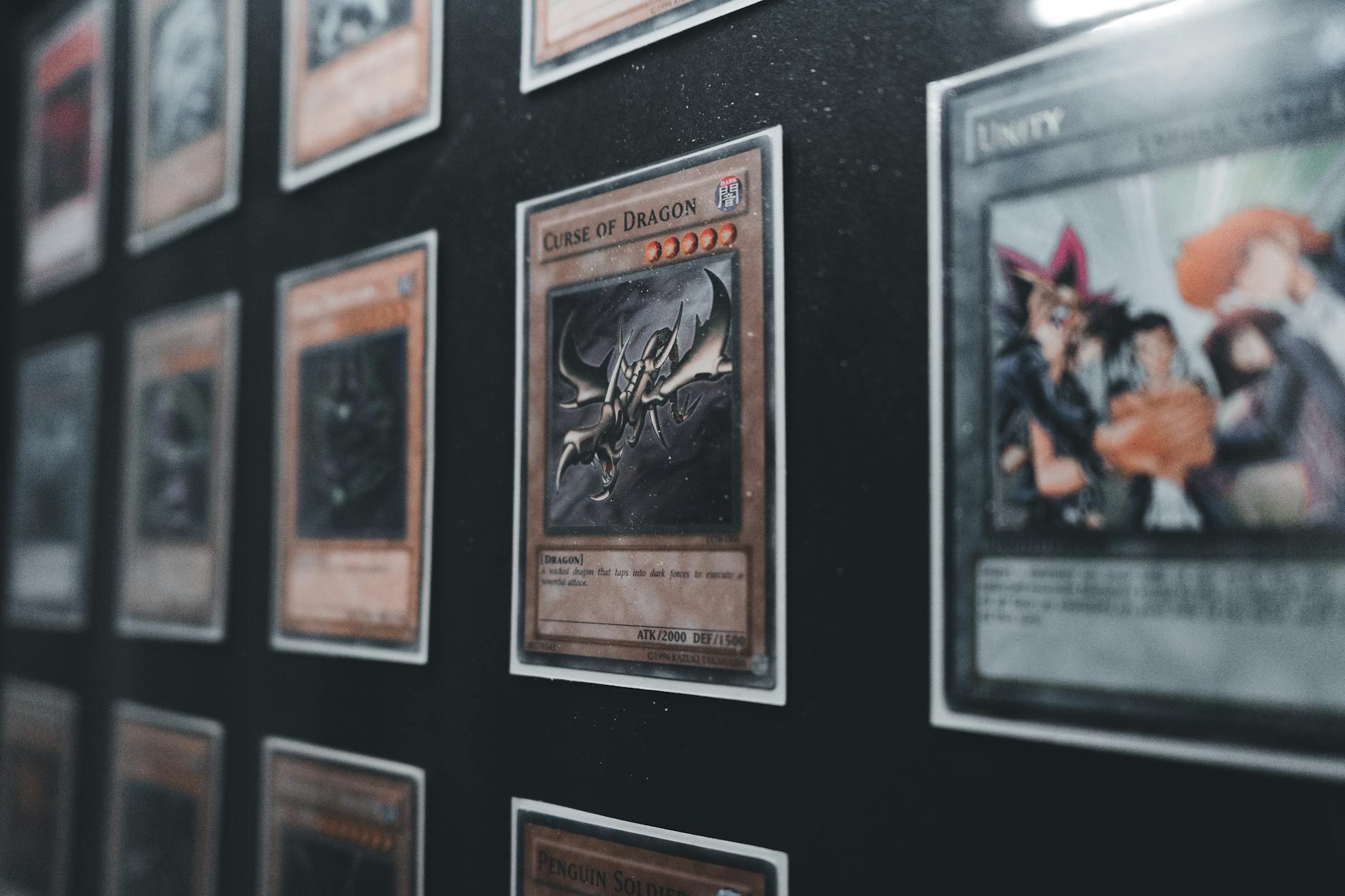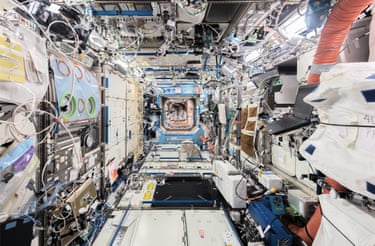
Recently, an astronaut aboard the International Space Station (ISS) conducted a unique experiment: successfully rolling a 20-sided die (D20). This feat confirms that the core mechanics of tabletop role-playing games (TRPGs) remain functional even in zero gravity.
Tabletop Gaming in Orbit
For a long time, sci-fi enthusiasts have wondered how classic tabletop games like Dungeons & Dragons (D&D) would work in microgravity. Without gravity, dice don't land and settle as they do on Earth; instead, they tend to drift through the cabin or bounce erratically. To address this, the astronaut demonstrated the trajectory of a die in a weightless environment during a live stream.
Although the die spins for much longer than it would on the ground, it eventually stops and settles on a definitive number. According to a report by PC Gamer, while the process is vastly different from the terrestrial experience, it still functions perfectly well for the needs of the game.
This experiment not only satisfied the curiosity of gamers but also provided an intriguing look at recreation for future space travel. During long-duration space missions, astronauts need various ways to manage psychological stress. As one long-term ISS resident noted, "Finding hobbies from Earth and adapting them for space is key to maintaining physical and mental well-being."
Currently, the video clip has sparked widespread discussion across the gaming community. Many players have remarked that a "space campaign" in zero gravity is the ultimate geek dream. While running a long-term campaign on the space station still faces logistical challenges regarding space and time, this attempt by the astronaut has cleared the primary mechanical hurdles.