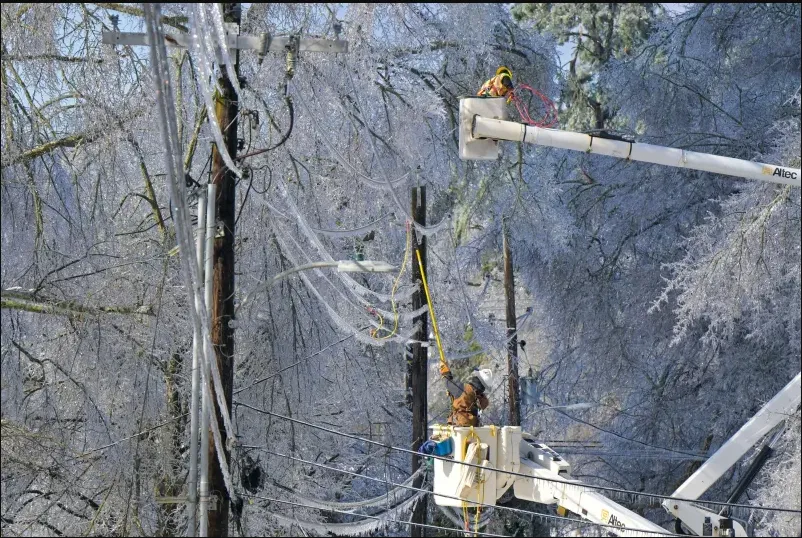
A massive winter weather system continues to expose critical vulnerabilities within the United States' energy and transportation infrastructure, resulting in a death toll exceeding 70 individuals. The confluence of heavy snow, significant icing, and deep freezes has incapacitated power grids, plunging approximately 332,000 homes and businesses into darkness, with Tennessee and Mississippi bearing the brunt of the outages.
Beyond the energy sector, ground transportation has faced near-total paralysis in several counties. Fallen trees and thick ice sheets have rendered vital interstate highways impassable, necessitating the deployment of National Guard units and specialized snow-clearing equipment in regions like Mississippi. Local emergency management officials report a surge in distress calls, signaling acute humanitarian needs as supplies of heating fuel, food, and potable water diminish.
In areas such as Hardin County, Tennessee, residents are reportedly trapped by impassable roads, with emergency directors confirming that essential reserves, including propane and firewood, are being rapidly depleted. This situation underscores the fragility of decentralized supply chains when faced with sustained, widespread disruption to primary transit arteries.
Nashville alone accounts for over 100,000 customers without electricity, as utility providers estimate that full restoration of downed power lines could extend well into the weekend, if not longer. The immediate forecast offers little relief; forecasters project continued arctic air intrusion through early February, with new, potentially severe snowfall events anticipated for the Carolinas and Virginia.
This weather event is not isolated; it follows warnings that the storm front could impact nearly 100 million Americans with icy conditions capable of producing up to 8 cm of ice accumulation, a level that severely threatens both power transmission and commuter safety. The scale of the disruption suggests an economic impact stemming from lost productivity and emergency response costs.
In smaller municipalities along blocked routes, a grassroots response has emerged. Local residents with four-wheel-drive vehicles are organizing ad-hoc supply runs for stranded motorists, delivering gasoline, blankets, and provisions to those abandoned along gridlocked highways where fuel exhaustion forced drivers to leave their vehicles. This highlights a reliance on community resilience when formal state mechanisms are overwhelmed.
As the nation braces for follow-on cold fronts, the incident serves as a stark reminder of the infrastructure challenges facing the US in adapting to more volatile weather patterns. The dual crisis of energy failure and transportation lockdown impacts regional economic stability and public safety protocols.
Source attribution: This analysis is compiled based on reports detailing the ongoing severe winter storm impacting the United States.