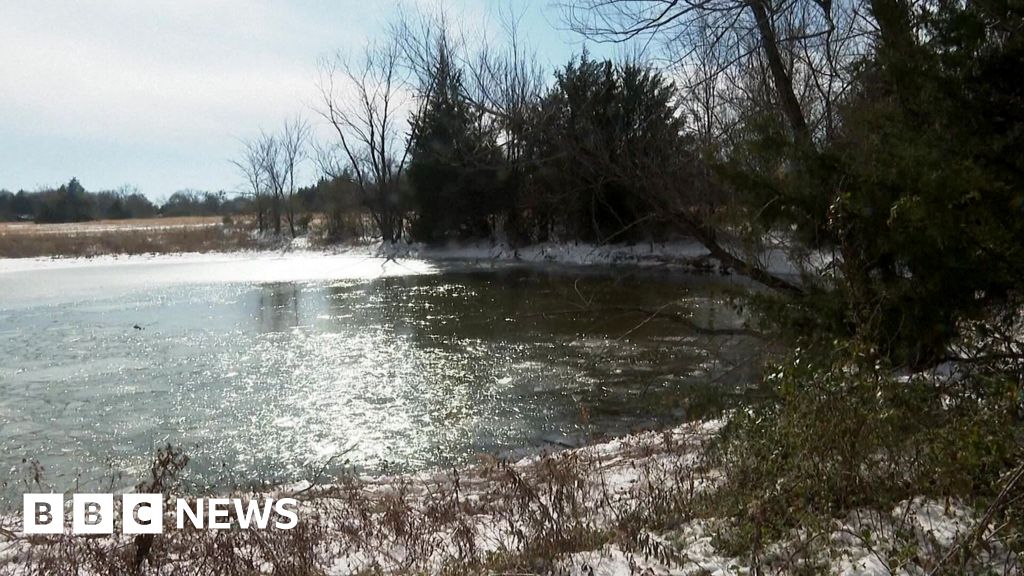
A devastating incident in Bonham, North Texas, where three young siblings perished after falling through ice on a private pond, serves as a stark casualty report from the recent, severe winter weather that gripped the southern United States. The tragedy highlights the immediate human cost when localized environmental conditions rapidly deteriorate, even in areas unaccustomed to prolonged freezing temperatures.
The incident involved boys aged six, eight, and nine. Their efforts to navigate the frozen surface, described by their mother as an attempt to 'ice skate,' resulted in a rapid submersion into near-freezing water. The mother's subsequent, desperate rescue attempt, which nearly cost her life, underscores the inherent dangers of thin ice conditions, particularly when intervention is delayed.
While the immediate focus remains on the profound personal loss experienced by the family, the context of the event is significant from an economic and infrastructural viewpoint. These fatalities occurred while Texas and surrounding states were still grappling with the fallout from a massive winter storm system that crippled energy grids and exposed vulnerabilities in public safety protocols designed for warmer climates. The broader economic disruption caused by that storm—including lost productivity and infrastructure repair costs—is now compounded by these localized, preventable tragedies.
Emergency response capabilities in rural and semi-rural areas often face heightened strain during widespread extreme weather events. The timeline for recovery of the youngest child, requiring an 'extensive search,' suggests logistical challenges that may be exacerbated when emergency services are simultaneously managing widespread weather-related crises across a large geographic area.
Local authorities confirmed the identities of the victims, prompting an outpouring of grief from their school community, which is now deploying crisis counselors. The incident serves as a grim reminder that even localized natural hazards, when intensified by climate variability, demand robust, year-round community hazard mitigation strategies, irrespective of typical regional risk profiles.
This event, tragically contextualized by the broader utility failures Texas faced recently, forces a re-evaluation of localized risk assessment. For economic analysis, such events contribute to the escalating volatility of insuring against climate-related risks, pushing up operational costs for regional businesses and municipalities alike.
(Source: Adapted from reporting by the BBC and CBS News)