A Canadian enterprise is preparing to harvest critical minerals from the Pacific Ocean floor to address supply shortages. The Metals Company aims to secure regulatory approval for commercial operations following a successful 2022 pilot program. This initiative marks a potential shift toward extracting resources previously considered inaccessible for industrial use across global markets.
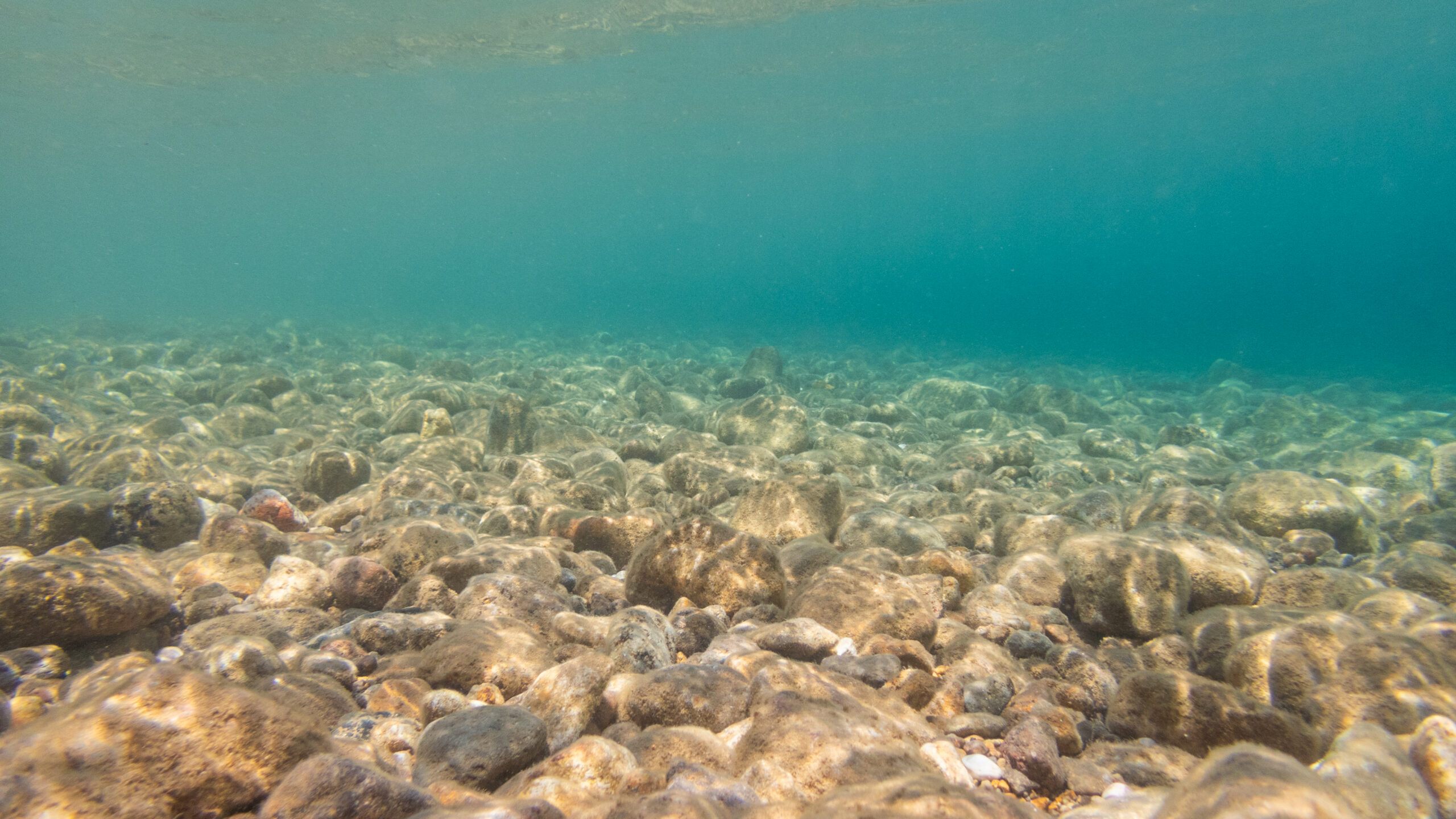
More than 13,000 feet below the surface, a 70-ton machine traversed the seabed on heavy caterpillar tracks during the operation. It collected potato-sized nodules containing copper, manganese, cobalt, and nickel during the specific test phase. The pilot run covered a tenth of a mile and was declared a success by operators in the field.
The company now targets an area of 65,000 square kilometers for full-scale commercial deployment across the zone. Officials estimate the region holds over 600 million metric tons of nodules rich in economic value. These deposits remain undisturbed after millions of years of complex geological formation processes.
The Metals Company joins 31 other initiatives by governments and private entities worldwide seeking mineral access. Participants include China, India, and the Republic of Nauru as key stakeholders in the sector. These actors seek to analyze nodules and test extraction equipment for commercial viability in the future.
The International Energy Agency reports that clean energy transitions could quadruple demand for critical metals by 2050. Paris-based analysts warn that terrestrial supplies may not suffice for future global needs without new sources. This data drives the urgency behind offshore exploration efforts significantly in the coming decade.
Proponents argue that land-based mines cannot meet the growing demand for rare earth elements required for technology. They suggest deep-sea mining offers a necessary solution to supply gaps in the global market. Critics, however, often cite environmental risks associated with the seabed ecosystems and biodiversity.
Resource security remains a primary concern for major economies seeking independence from volatile supply chains. Reducing reliance on terrestrial mining could alter global supply chain dynamics entirely and reshape trade. Control over these underwater reserves may become a strategic priority for nations seeking energy stability.
Industry observers await the final green light for commercial harvesting in the region to begin operations. Regulatory bodies must balance economic potential with ecological preservation standards for marine life. The outcome will set precedents for international maritime resource extraction laws and policies globally.