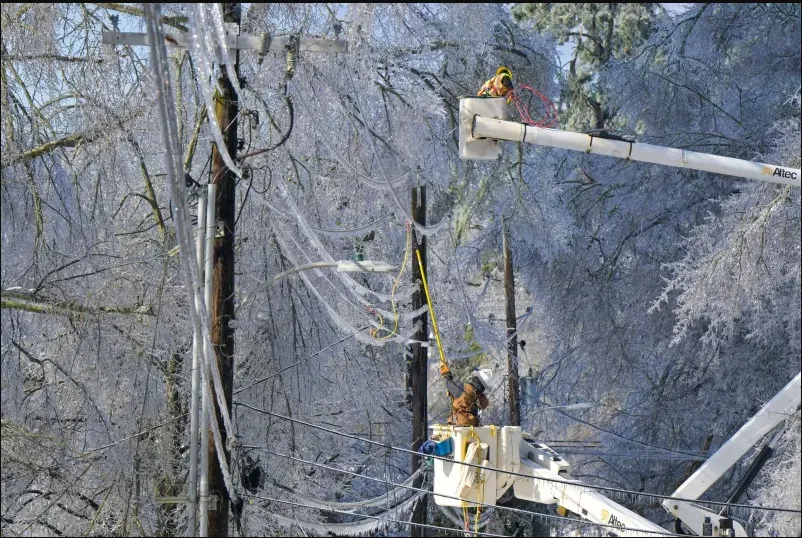
A devastating winter storm sweeping across the United States has claimed the lives of at least 70 individuals, according to initial reports, as infrastructure failure cripples key southern states. The system brought heavy snow, freezing rain, and extreme cold, leading to widespread power outages concentrated in Tennessee and Mississippi.
Roughly 332,000 customers, encompassing both residential and commercial entities, currently lack electricity, according to utility reports. The disruption is exacerbated by downed transmission lines and trees crippled by ice accumulation, complicating emergency response efforts in several counties.
In Mississippi, officials mobilized National Guard detachments alongside heavy snow removal equipment to reopen critical interstate corridors. Emergency management directors in affected areas, such as Hardin County, Tennessee, reported that residents are facing shortages of essential supplies, including heating fuel like propane and firewood.
Local emergency services in Alcorn County, Mississippi, described receiving a surge of distress calls, with dispatchers processing over 2,000 requests for aid. One local arena has been converted into a warming shelter, accommodating approximately 200 displaced individuals facing extended blackouts.
Nashville alone accounts for over 100,000 power outages, with energy service executives cautioning that full restoration might not occur until the end of the week or later. Reports from local cafes indicate that many stranded motorists abandoned vehicles along major highways like I-22 after running out of fuel.
Meteorological forecasts predict the persistence of frigid conditions, with a new influx of Arctic air expected over the weekend, potentially bringing heavy snow to the Carolinas and Virginia. This continued cold snap heightens the risk for those without reliable heating and electricity.
The crisis has spurred localized mutual aid efforts, where residents with four-wheel-drive vehicles are reportedly delivering necessities like water and blankets to stranded drivers. This grassroots response underscores the strain placed upon official logistical capabilities by the scale of the infrastructure failure.