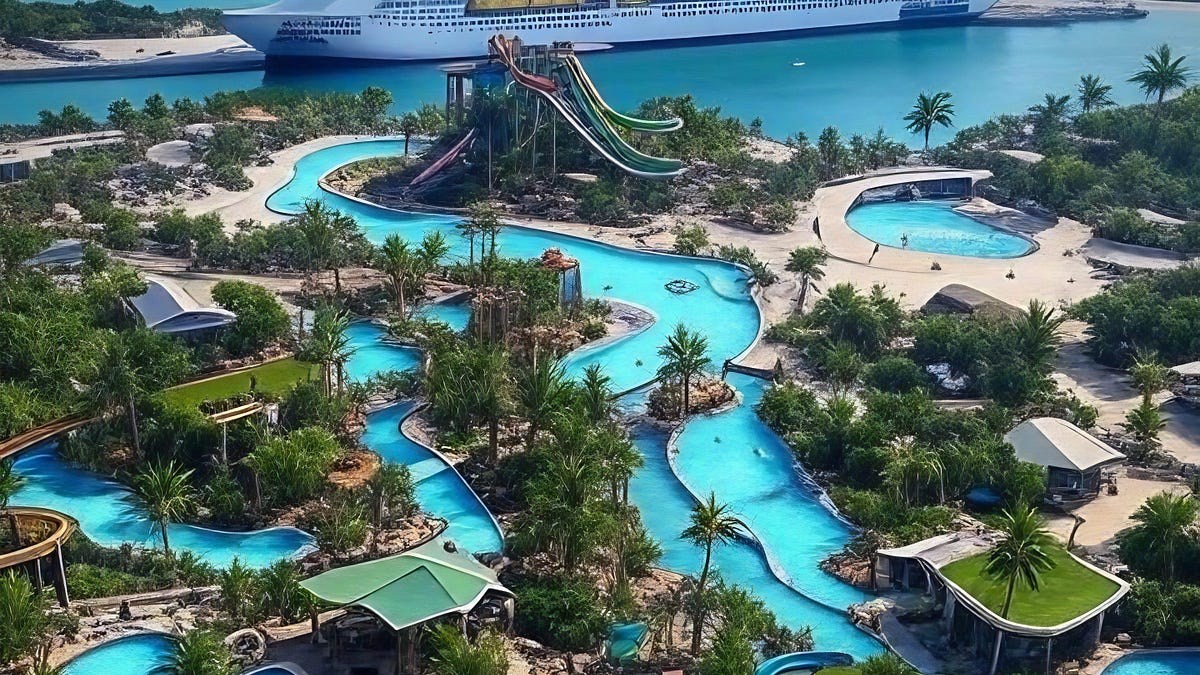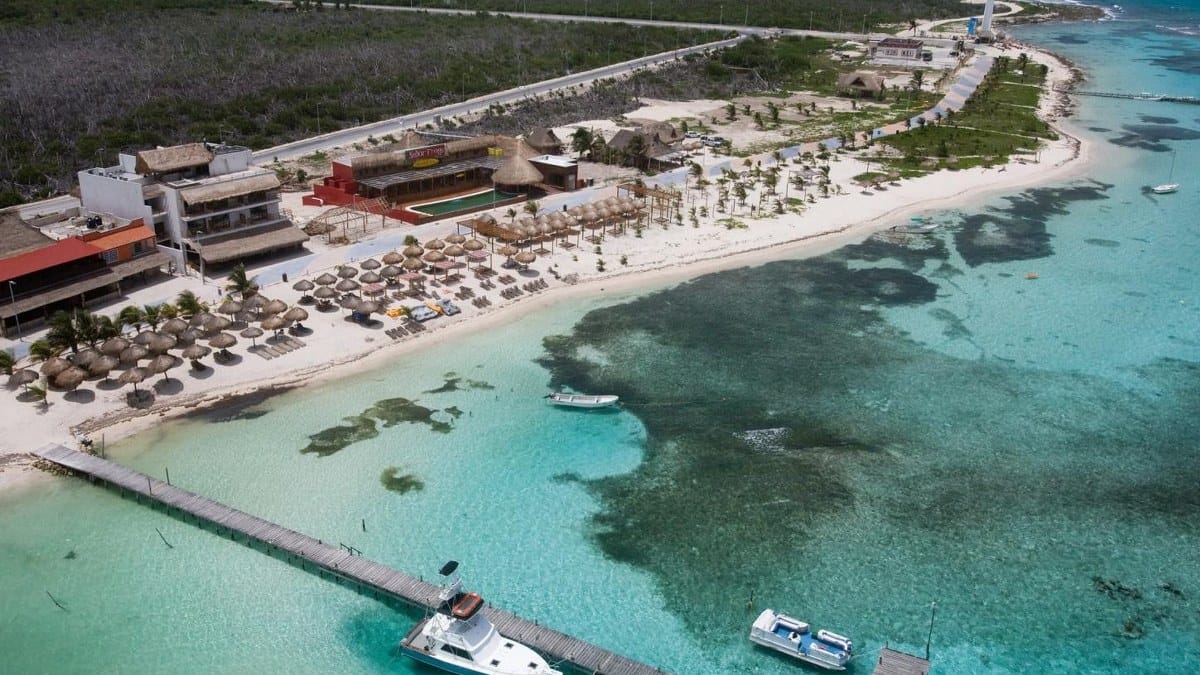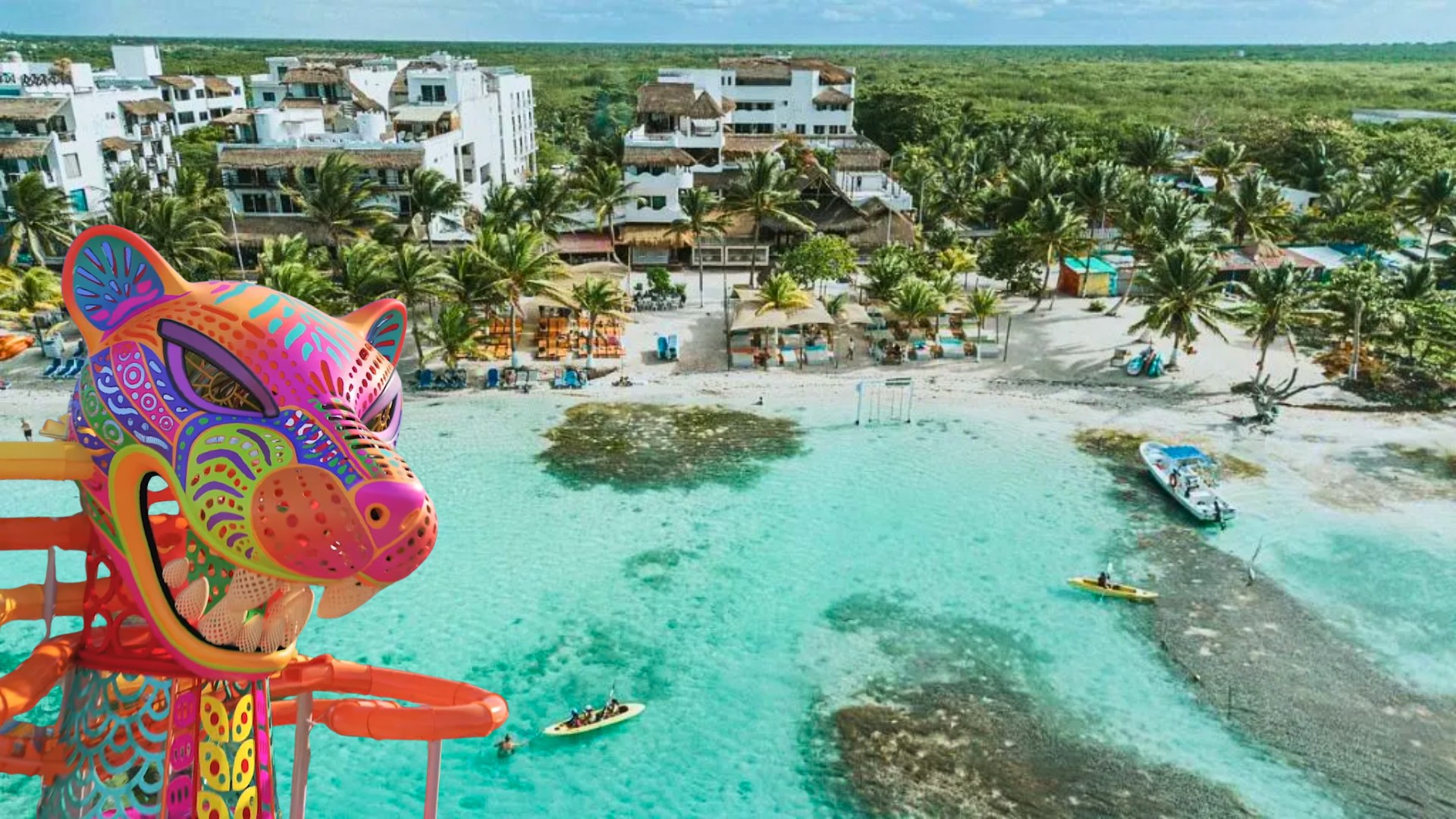
A corporate entity linked to Royal Caribbean plans a massive water park in Mahahual, Mexico, according to environmental reports. The project threatens protected mangroves and the delicate Banco Chinchorro reef system. Environmentalists warn of irreversible damage to the entire Caribbean ecosystem if construction proceeds.
Reports indicate the company R&B intends to construct a facility covering 90 hectares of protected land under the name Perfect Day Mexico. This site lies directly in front of the world's second-largest coral barrier reef system. The initiative aims to receive up to 20,000 cruise passengers on a single day.
Mangroves serve as natural barriers against hurricanes and filter coastal water effectively. Their destruction leaves the shoreline vulnerable to extreme weather events and erosion. Conservationists state that the loss of this vegetation would disrupt the local marine life balance significantly.
Local communities fear economic exclusion similar to Royal Caribbean operations in the Bahamas. Tourists typically consume goods within the complex rather than spending in the surrounding town. Critics argue that revenue generated will not remain within the Mahahual region. Instead, profits flow to international shareholders.
Allegations suggest increased wastewater discharge into mangrove zones already plagues the area. Potable water resources face additional pressure from the influx of visitors during peak season. Waste management infrastructure may not handle the projected volume of solid refuse.
Legal frameworks theoretically prohibit construction on protected mangrove lands under current statutes. However, regulatory gaps and insufficient community consultation often allow such projects to advance. Activists cite the proposed LeyPoktapok as a potential safeguard that remains unenacted.
A citizen petition now demands immediate cancellation of the development plan by authorities. Demands include a genuine environmental impact study and respect for local territorial rights. Organizers argue that the ecosystem holds more value than temporary tourism revenue.
The conflict highlights a broader tension between mass tourism models and ecological preservation goals. Once an ecosystem is degraded, restoration is often impossible within a human lifetime. Stakeholders warn that this case sets a precedent for future coastal developments across the nation. This risks losing part of the national identity tied to the region.
Environmental groups urge authorities to enforce capacity limits before approving urban projects. Monitoring coral health and biodiversity will be critical in the coming decade. Failure to act could result in significant long-term economic and ecological losses.
The outcome of this dispute will influence how Mexico balances economic growth with conservation efforts. Observers will watch legal proceedings for signs of regulatory enforcement. The decision ultimately defines the future of the Mexican Caribbean coastline. Continued monitoring may reveal the extent of the environmental impact.