The Mexican government will deploy hydraulic fracturing, or fracking, to extract unconventional gas reserves as part of a strategy to reduce dependence on energy imports from the United States. Petróleos Mexicanos (Pemex) will oversee the extraction efforts, signaling a significant pivot in the current administration's energy policy.
During an April 8 press conference, officials from the Secretariat of Energy and Pemex unveiled a roadmap to boost domestic gas production. Pemex director Víctor Rodríguez stated that the administration intends to employ new technical standards that will "aminorarán el daño al medio ambiente"—or diminish environmental damage—compared to traditional methods.
The mechanics of extraction
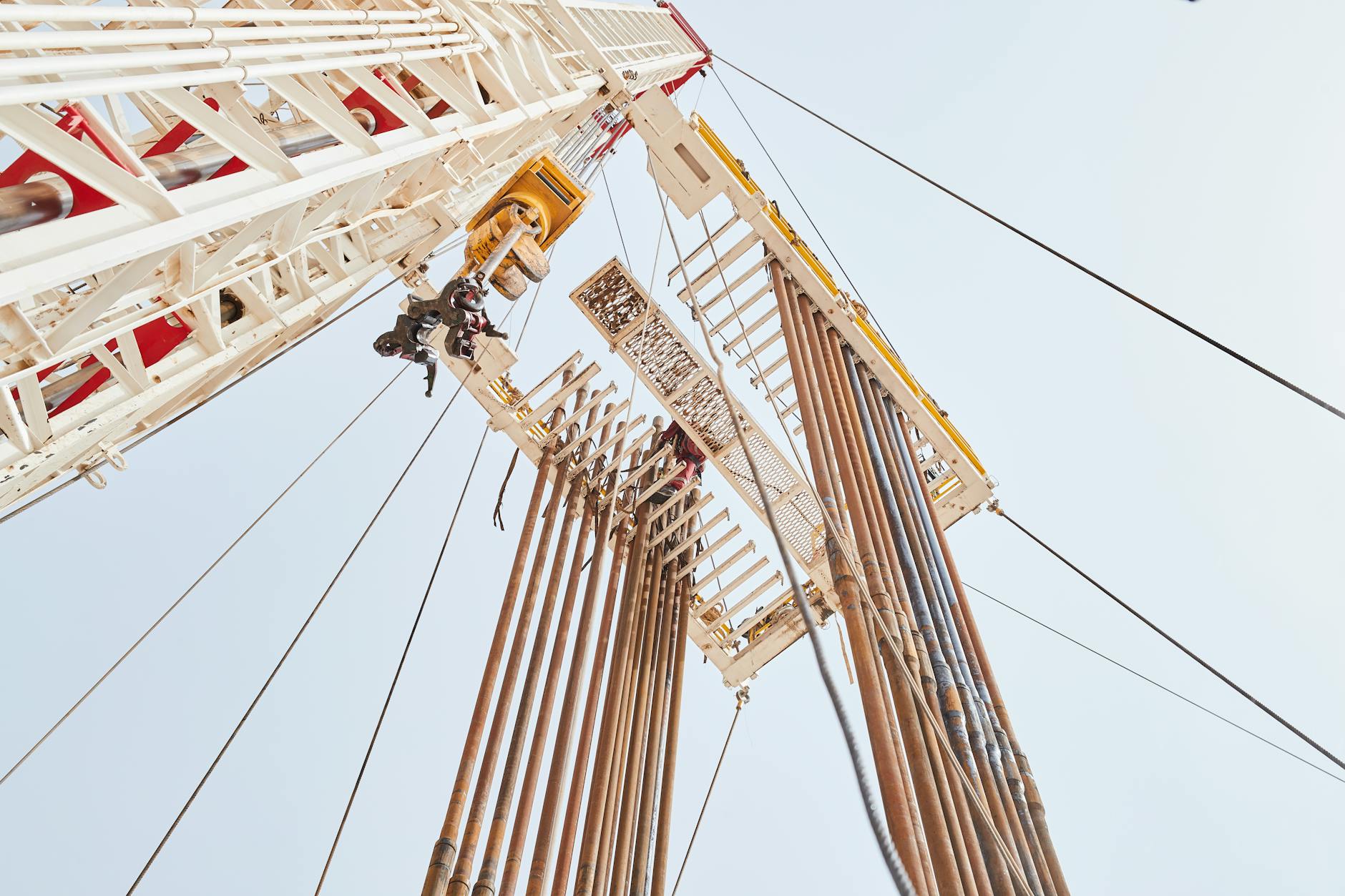
Fracking involves drilling deep into rock formations, such as shale, where permeability is too low for gas to flow naturally into a well. Operators drill vertically several kilometers before turning the drill horizontally through the rock layer. They then pump a high-pressure mixture of water, sand, and chemical additives to fracture the stone.
Once the rock cracks, the sand keeps the fissures open, allowing the trapped hydrocarbons to flow to the surface. The injection fluid typically consists of 90% water, 9.5% sand, and 0.5% chemical additives.
This policy represents a clear departure from the stance of former President Andrés Manuel López Obrador, who had effectively banned the practice. While the previous administration of Enrique Peña Nieto initiated exploration in unconventional fields, the project had been stalled for years due to environmental opposition.
Environmental organizations and academic institutions have raised alarms regarding the potential impact of this decision. According to WWF Mexico, fracking a single well requires millions of liters of water, which risks contaminating underground aquifers through leaks or spills.
The Mexican Alliance against Fracking warns that recovered wastewater often contains heavy metals and radioactive materials, posing risks to both human communities and local wildlife. Furthermore, researchers at Columbia University’s Climate School note that fracking contributes to global warming through methane leaks and can trigger induced seismic activity in drilling regions.
To address these criticisms, the government’s proposal highlights the use of updated technology. Authorities claim they will prioritize the recycling of water, utilize non-potable sources to protect human water supplies, and significantly reduce the use of chemical additives in the extraction process.