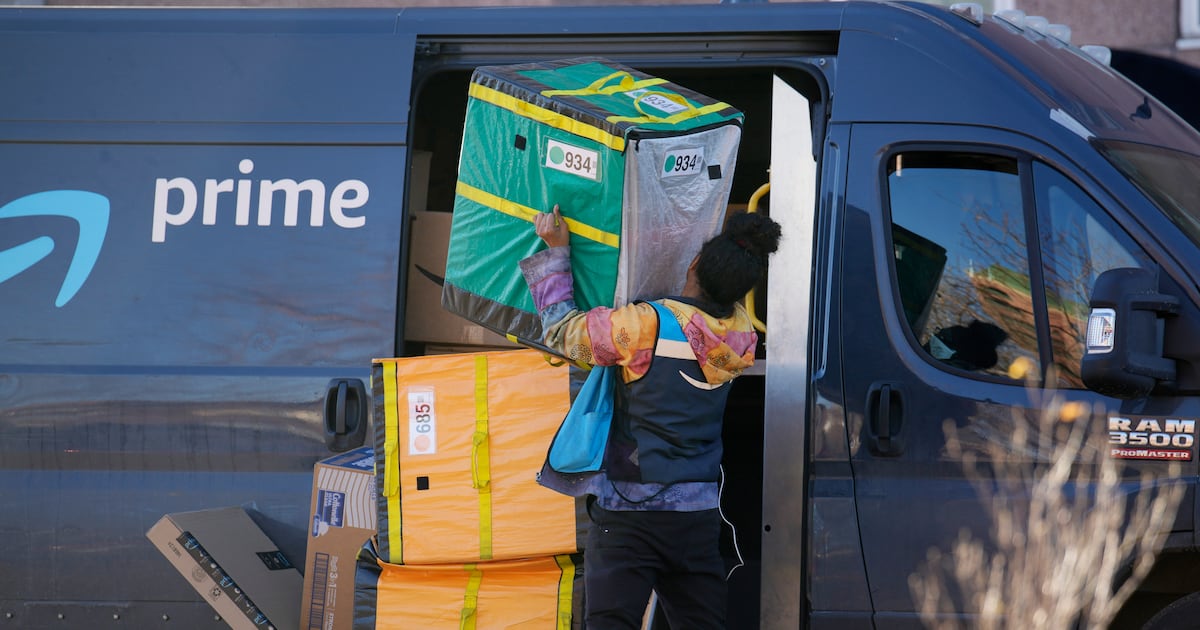
Mexico City lawmakers proposed banning single-use plastics in online packaging to curb a daily waste surge of 236 tons. The initiative highlights a regional environmental challenge affecting Chilean markets as e-commerce consumption accelerates across Latin America. Deputies argue that current logistics models impose unsustainable costs on urban infrastructure and taxpayers in the region. This regulatory shift seeks to address the silent crisis generated by every single click.
Deputy Elvia Estrada introduced the measure in the local Congress to reduce the environmental impact of packaging at its source. The proposal explicitly bans single-use plastics unless the materials are compostable or recyclable by design. Legislation further requires companies to minimize unnecessary materials and prioritize sustainable options for distribution channels. Officials state that reducing waste at the origin is more effective than managing it later.
Estimates indicate that each online purchase generates between 100 and 300 grams of packaging waste including cardboard, plastic, and fillers. This figure accumulates rapidly as digital transactions replace physical retail interactions in major cities globally. The volume fluctuates based on product type and shipping methods utilized by retailers for delivery. Specific examples include headphones and clothing which generate distinct waste profiles.
Environmental data reveals that 41% of collected plastics in the capital are low density, which complicates recycling efforts significantly. Approximately 35% of all waste consists of packaging materials from digital transactions and online deliveries to homes. Local authorities classify these items as a critical component of the urban waste stream requiring intervention. Oceana analyzed these figures to confirm the severity of the accumulation problem.
Municipal budgets already absorb significant costs from managing these disposable materials without direct revenue recovery from vendors. In 2021, the city allocated 1,779 million pesos for plastic waste management according to official records. Over 53 million pesos originated directly from unnecessary e-commerce debris during that specific fiscal year. This financial burden ultimately falls on the general population through public expenditures.
Regional analysts note that Chilean e-commerce sectors face identical pressure points regarding waste management costs and infrastructure. While no federal ban exists in Santiago yet, local regulators monitor waste streams closely to prevent similar fiscal burdens on municipal budgets. This legislative push in Mexico serves as a potential blueprint for neighboring nations facing rapid digital commerce growth. Chilean policymakers may consider similar measures to protect their own urban environments.
The legislator emphasized that online shopping must not equate to increased pollution levels for the surrounding environment. She aims to modify local laws while transforming consumer habits toward sustainable practices within the market. Industry stakeholders will need to adapt packaging strategies to comply with new standards immediately or face penalties. Public awareness campaigns will accompany the regulatory changes to ensure compliance.
Global platforms like Amazon and Mercado Libre drive significant increases in carton and plastic usage for shipments across the continent. Observers expect other jurisdictions in the region to review similar regulations soon to address rising waste volumes. Continued monitoring of implementation will determine the long-term efficacy of such bans in Latin America. The outcome could redefine how digital commerce operates in developing economies.