Lagos Eviction Sparks Unrest: Property Rights and Urban Resilience Under Scrutiny in Nigeria
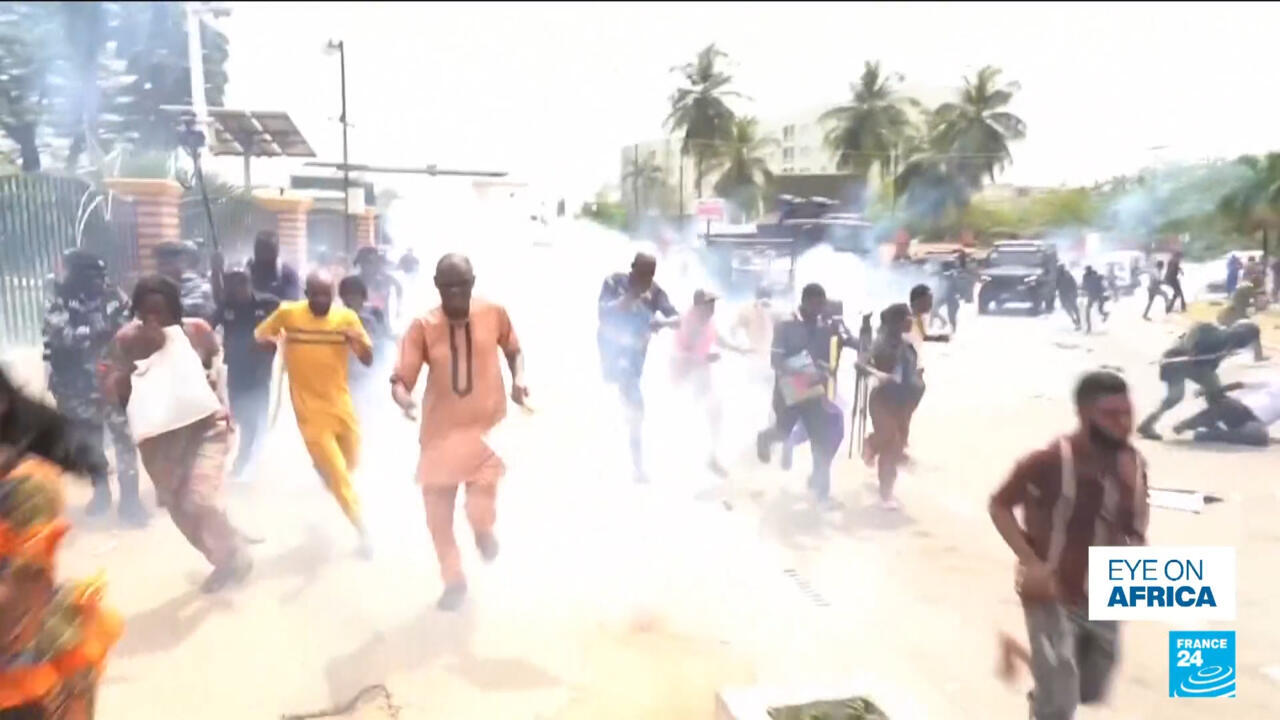
Tensions escalated in Lagos after Nigerian police deployed tear gas against residents protesting the demolition of homes in the Makoko floating community. This incident highlights significant governance challenges concerning informal settlements and property rights in Africa's largest metropolis. Meanwhile, parallel geopolitical and demographic shifts are underway across the continent.
Lagos Eviction Sparks Unrest: Property Rights and Urban Resilience Under Scrutiny in Nigeria
Unrest has flared in Nigeria’s commercial hub, Lagos, following aggressive police action against residents of the Makoko floating community protesting the demolition of hundreds of structures. Reports indicate that law enforcement utilized tear gas in confronting the displaced population, underscoring the persistent friction between urban development mandates and the tenure security of informal settlements.The Makoko settlement, often characterized as a 'floating slum,' represents a critical case study in rapid, often unplanned, urbanization across West Africa. The forced evictions raise serious questions regarding equitable urban planning, the enforcement of property rights in marginal areas, and the state's use of force in managing civil dissent. For global investors and development institutions tracking Nigeria, such episodes signal ongoing regulatory uncertainty and potential social instability that can impact broader economic activity in the region.Beyond domestic security concerns, developments in East Africa point to evolving diplomatic and migration dynamics. In a distinct regional event, Kigali is reportedly pursuing a £100 million claim against the United Kingdom related to a cancelled agreement concerning the relocation of asylum seekers to Rwanda. If successfully pursued, this legal and financial dispute underscores the complex, transactional nature of modern international migration pacts, particularly those involving African nations as receiving or transit points.Furthermore, cultural diplomacy continues to manifest in unexpected ways, illustrating softer power projections. The granting of Ghanaian citizenship to US content creator IShowSpeed highlights a trend where diaspora engagement and digital influence are being leveraged for national branding and soft power initiatives on the continent.Collectively, these disparate events—civil unrest in Lagos over land rights, a high-stakes legal battle over migration policy in Kigali, and cultural naturalization in Accra—paint a picture of a continent navigating intense pressures of demographic growth, geopolitical positioning, and the complex legacy of international agreements. The stability of Nigeria’s economic engine remains intrinsically linked to its ability to manage such internal socio-economic fault lines.Source attribution: Based on reporting compiled from international news agencies, including France 24 coverage.