Indonesia's Sumatra Cyclone Exposes Climate Vulnerability Gap
Publicidad
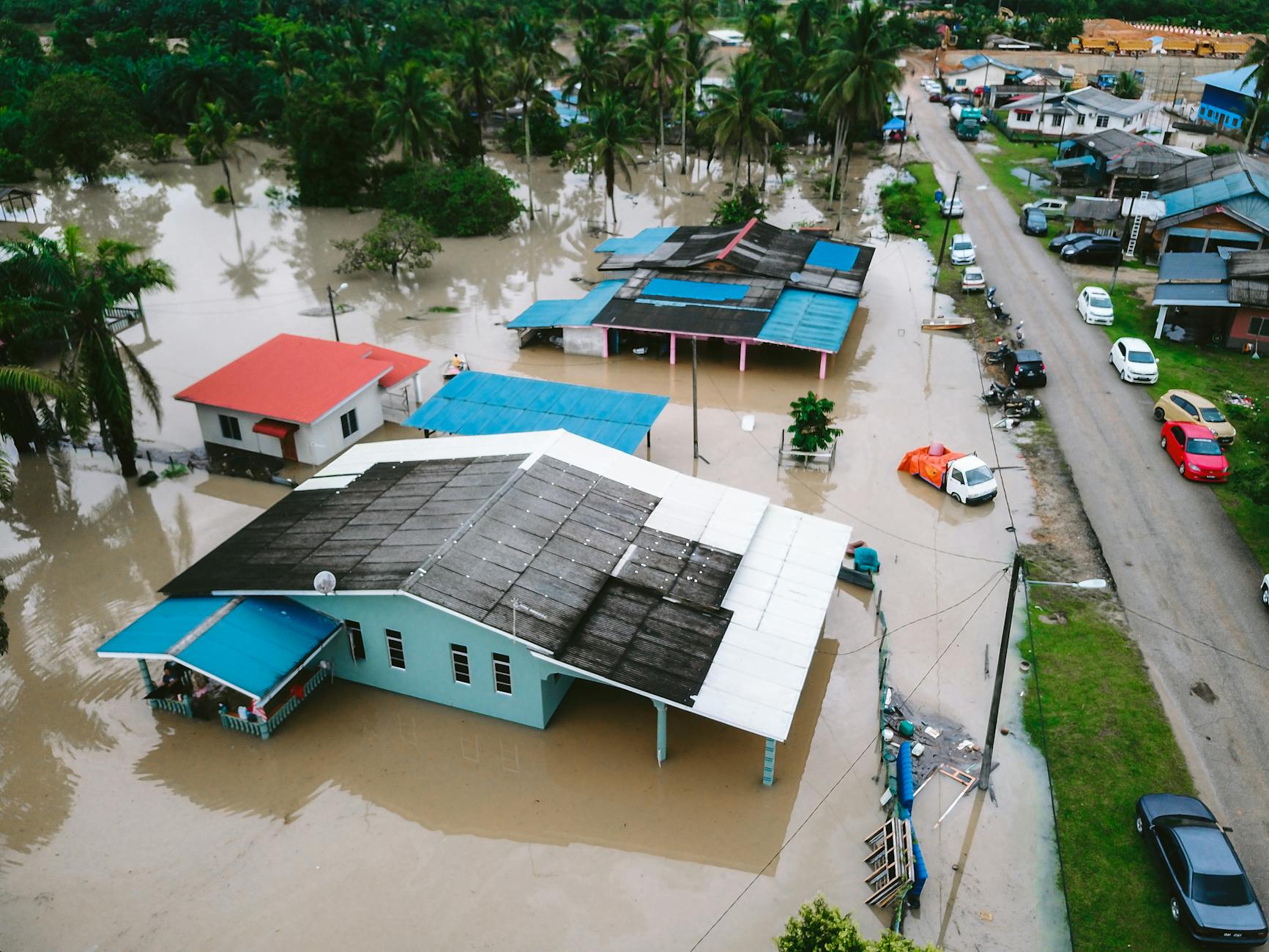
Indonesia's economic vulnerability to climate disasters has been starkly exposed following a catastrophic cyclone that devastated Sumatra in late November 2025, killing at least 1,100 people and displacing tens of thousands across three provinces.The disaster, which left more than 100 people missing and destroyed thousands of homes, has triggered a broader examination of Indonesia's disaster preparedness infrastructure and its capacity to protect vulnerable communities in an era of intensifying climate events.According to Al Jazeera's ground reporting, entire villages were obliterated by muddy floodwaters, with survivors now sheltering in inadequate temporary facilities weeks after the initial impact. The ongoing humanitarian crisis has raised serious questions about the government's emergency response coordination and resource allocation.Economic analysts point to a confluence of structural factors that amplified the disaster's impact: intensive deforestation that reduced natural flood barriers, high poverty rates limiting community resilience, and recent budget cuts to disaster preparedness programs. These systemic vulnerabilities have left Indonesia's rural communities disproportionately exposed to climate risks.The cyclone's aftermath presents significant implications for Indonesia's economic stability, particularly in affected agricultural regions that contribute substantially to the nation's food security and export revenues. Infrastructure damage to public facilities and transportation networks is expected to disrupt regional economic activity for months.As Southeast Asia's largest economy grapples with increasing climate volatility, the Sumatra disaster underscores the urgent need for comprehensive adaptation strategies that address both immediate disaster response capabilities and long-term structural vulnerabilities.The international community is closely monitoring Indonesia's recovery efforts, as similar climate-related disasters across the region threaten to destabilize economic growth and development progress throughout Southeast Asia.