Deforestation and unchecked urban development are significantly amplifying the intensity and duration of heatwaves by diminishing the natural cooling effects provided by trees and vegetation, a recent study from the Australian National University reports. While global climate change remains the fundamental driver of rising temperatures, the loss of green cover acts as a critical local amplifier, particularly noted in humid zones.
Research published by the ANU demonstrates that strategic preservation and restoration of existing forests and urban green infrastructure present a practical pathway to buffer against extreme heat risks. The findings suggest that these ecological interventions could feasibly decrease the severity of heatwave conditions by as much as 30%.
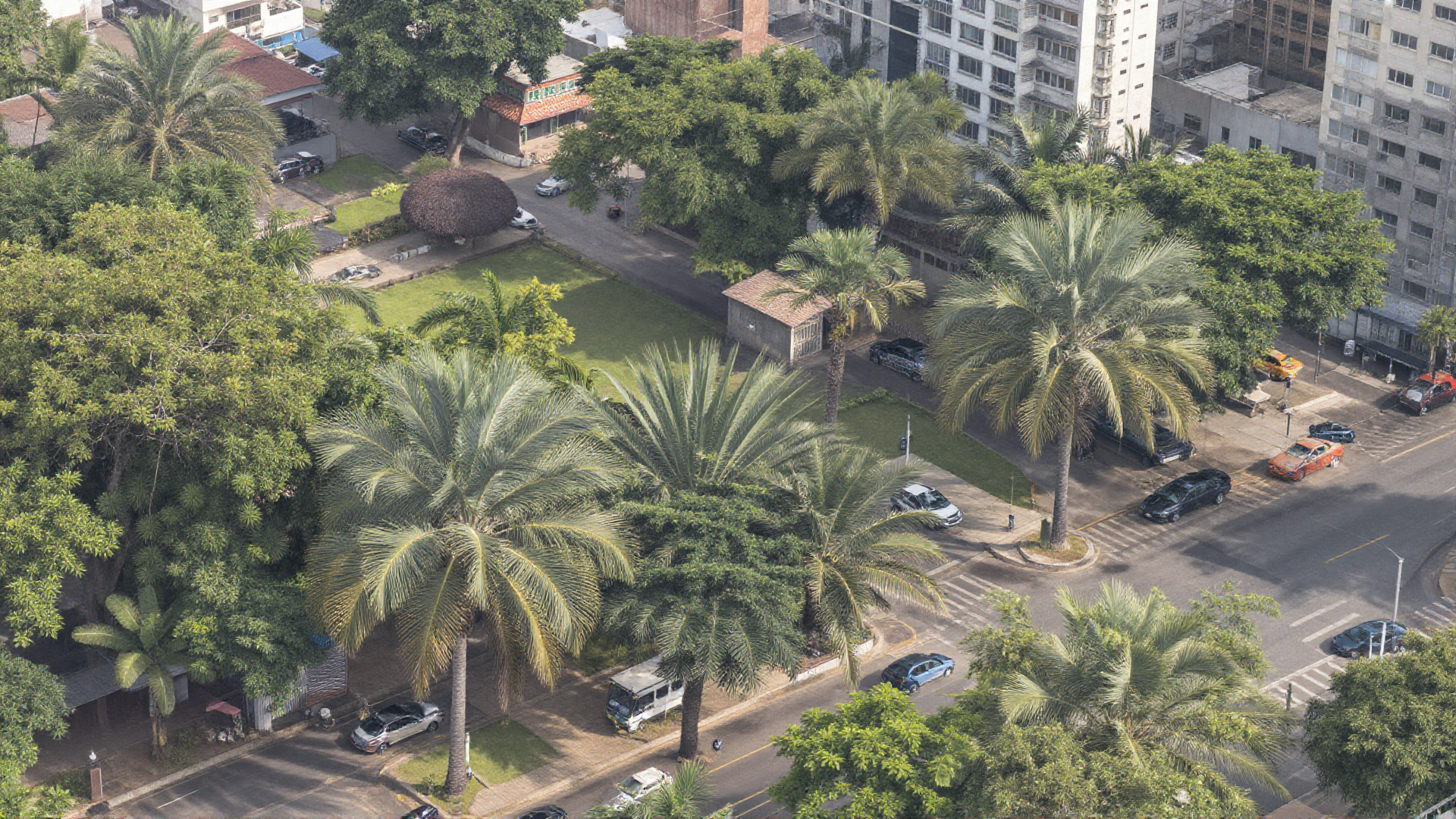
This localized mitigation potential offers policymakers an immediate avenue for improving public health outcomes, especially as global mean temperatures continue to climb. The study highlights that dense urban environments, often characterized by extensive impervious surfaces, face disproportionately higher heat stress.
Related data cited in the source material indicates the broad scope of the crisis, noting that global cities have experienced a 25% increase in extreme heat days since the 1990s, largely fueled by fossil fuel emissions. Furthermore, deforestation in tropical regions has been linked to thousands of annual heat-related fatalities.
Specific regional examples underscore the severity, with one report suggesting Sydney could face a 444% rise in heat-related deaths by 2050 if current trends persist. This forecast underscores the urgency for urban planning to integrate resilient, climate-adaptive strategies.
Conversely, municipal efforts, such as New York City’s objective to increase tree canopy coverage to 30% by 2035, illustrate actionable policy responses derived from similar environmental assessments. These local initiatives aim directly at counteracting the urban heat island effect.
The broader geopolitical context involves balancing rapid urbanization, essential for economic growth in developing nations, against immediate climate resilience needs. Ignoring localized cooling solutions risks exacerbating socio-economic disparities, as vulnerable populations often reside in areas with the least green cover.