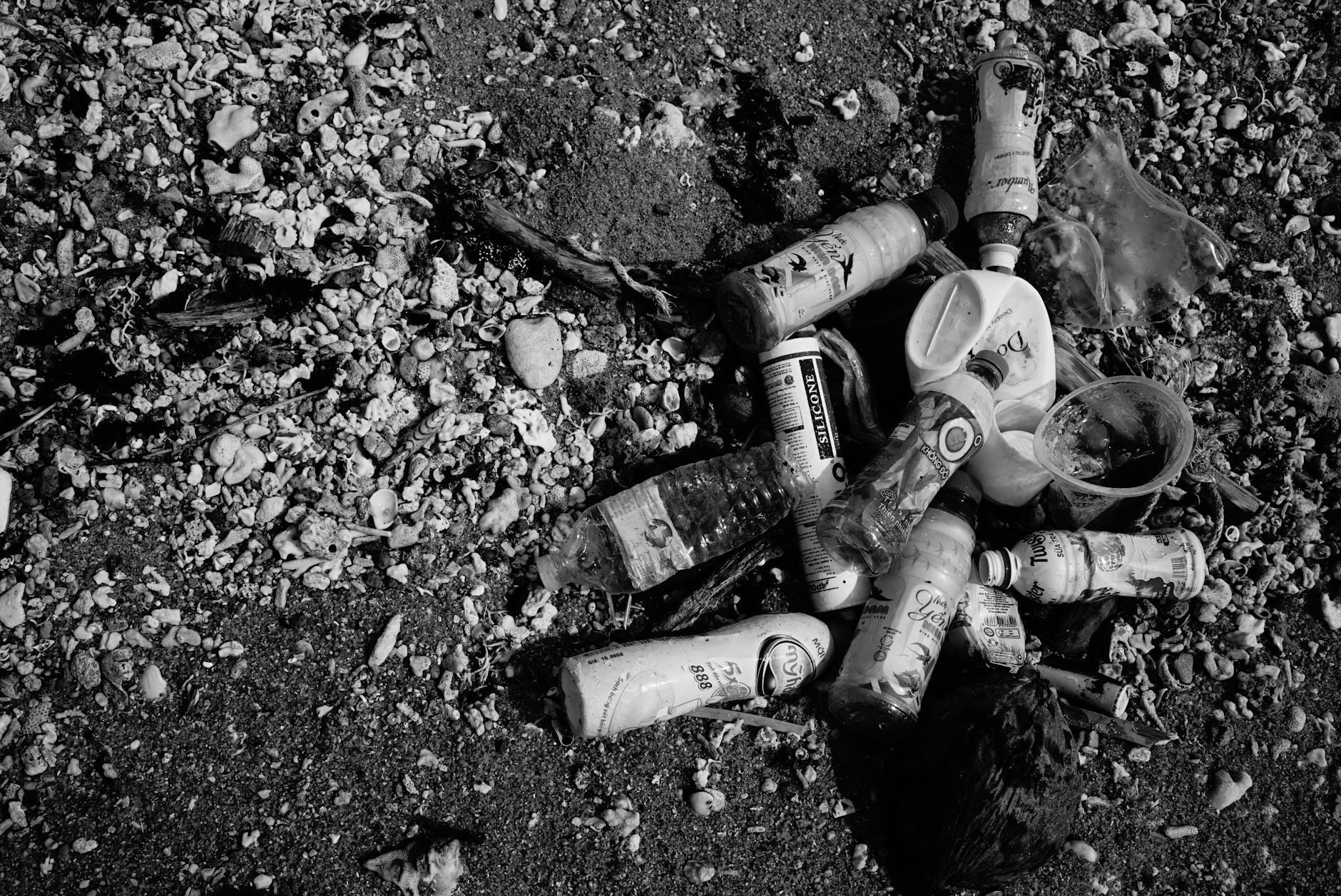
Marine biologists have confirmed that the Great Pacific Garbage Patch is no longer just a massive accumulation of waste; it has become a functional habitat for dozens of coastal species. The findings, detailed in recent research, show that organisms typically found on shorelines are now establishing permanent communities in the middle of the North Pacific Subtropical Gyre.
For decades, scientists maintained a strict divide between coastal ecosystems and the open ocean. Conventional wisdom held that coastal species drifting into the deep sea would perish due to a lack of resources and harsh environmental conditions. The 2011 Great East Japan Tsunami provided the first major evidence against this theory, as debris from the disaster carried Japanese marine life across the Pacific to North American shores, where many remained alive after years at sea.
A new frontier for marine life
To determine if these species were merely passing through or establishing residence, researchers analyzed 105 pieces of plastic debris collected from the eastern side of the garbage patch. The items, which included everything from discarded fishing nets and ropes to plastic bottles, were pulled from the water and transported to laboratory facilities for identification. Taxonomists meticulously cataloged the invertebrates clinging to the debris to map out the extent of the colonization.
The research reveals that plastic objects are acting as artificial shorelines. These floating "islands" allow coastal organisms to survive far from their natural habitats, essentially creating a new, synthetic ecosystem in the middle of the ocean. The persistence of these colonies suggests that the plastic is not just a pollutant, but a vessel for biological migration that could alter the distribution of marine life on a global scale.
The discovery has ignited a conflict over ocean cleanup strategies. While environmental groups have long pushed for the removal of the garbage patch to restore marine health, the presence of these established communities complicates those efforts. Removing the plastic now means destroying the habitats of species that have successfully adapted to the man-made environment.
As the debate continues, the scientific community is shifting its focus toward understanding the long-term impact of these "neopelagic" communities. Researchers are now working to quantify how many species have adapted to the gyre and whether these artificial habitats could facilitate the spread of invasive species to new regions of the globe.