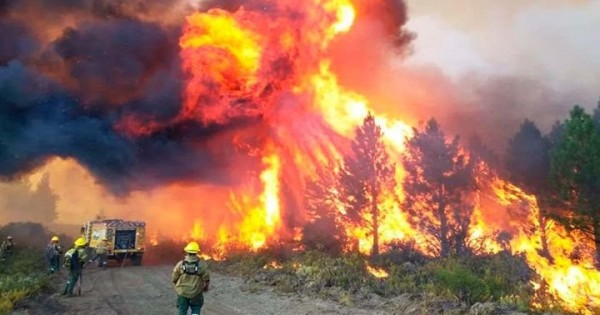
Argentina is confronting a severe environmental crisis in Northern Patagonia, characterized by extreme heat waves and a protracted drought that has resulted in water deficits up to 40% in some areas. This climatic stress has directly precipitated the outbreak of devastating megafires, consuming thousands of hectares of native forest, particularly within Los Alerces National Park, according to reports from Carbono.news.
The fires, which intensified in early January, have transformed the landscape of northwestern Chubut, replacing the region's characteristic deep green Andean forests with persistent, acrid gray haze. While firefighting brigades have managed to contain some flanks, major active fronts persist near Esquel and Cholila, fueled by persistently hostile meteorological conditions.
Beyond the quantifiable acreage lost, the crisis imposes significant socioeconomic and psychological burdens on local populations. The Andean region's vital tourism sector has experienced massive cancellations, jeopardizing the annual revenue for small operators. Residents report persistent poor air quality, leading to health concerns, especially among vulnerable demographics.
Ecologically, the high-intensity fires are causing irreversible damage to complex ecosystems, trapping slow-moving fauna like reptiles and amphibians. The destruction of the understory eliminates the reproductive nurseries of the forest, threatening key species such as the giant woodpecker and jeopardizing trophic chains that require decades to reestablish.
Analysts point to structural factors exacerbating the situation, including the extensive presence of commercial monocultures of exotic pine species. Unlike native Nothofagus forests, these pine plantations accumulate highly flammable biomass, and their resin acts as a natural accelerant, facilitating virtually uncontrollable crown fires.
Furthermore, the reproductive cycle of pine is pyrophyte-driven, meaning the species benefits from fire by rapidly colonizing burned areas, displacing slower-recovering native flora. This dynamic suggests that current forest management models prioritize commercial yield over ecological resilience, creating a tinderbox scenario.
The institutional response is reportedly characterized by reaction rather than prevention, with insufficient strategic thinning and firebreak maintenance conducted during the off-season. This reliance on aerial firefighting assets proves ineffective when high winds, common in Patagonia, restrict their deployment, highlighting systemic deficiencies in the National Fire Management System.
The ongoing disaster necessitates a comprehensive review extending beyond initial cause attribution, focusing on revising forest laws and incentives that promote exotic species. The long-term stability of the Patagonian economy and environment hinges on adapting land management strategies to the realities of a rapidly warming climate.