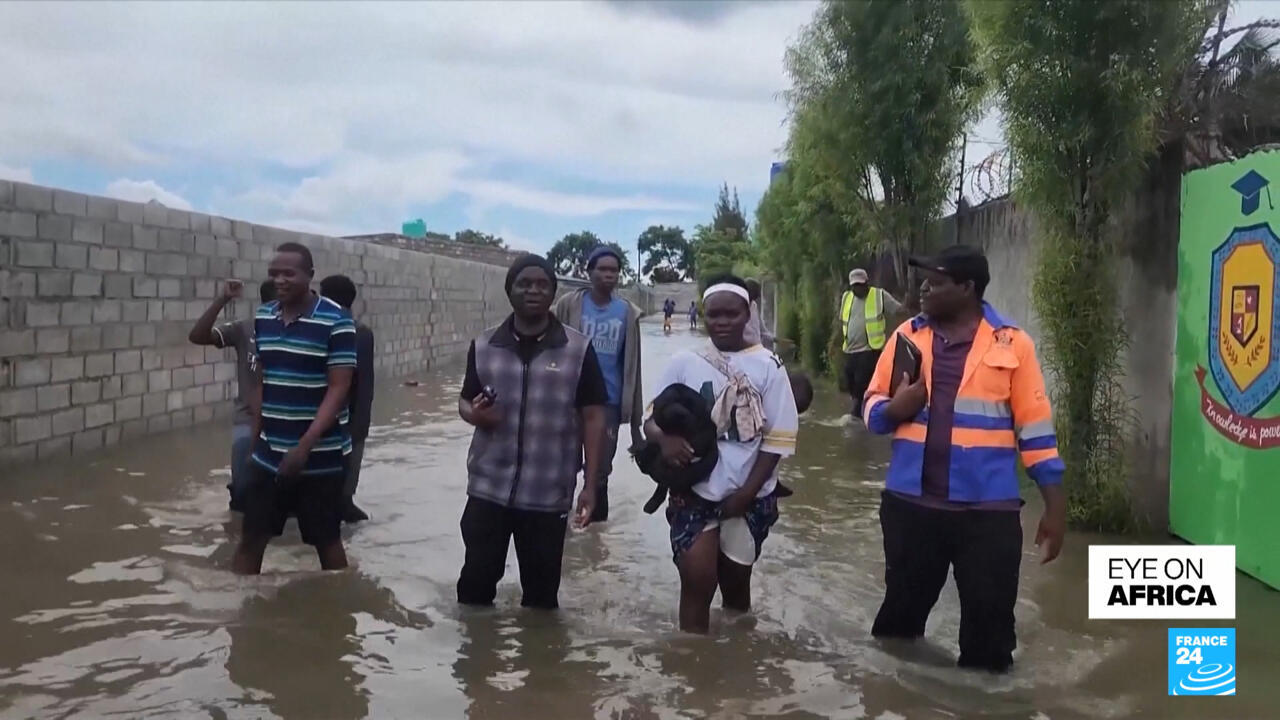
Extreme flooding events have devastated parts of Southern Africa in recent weeks, leading to the confirmed deaths of at least 200 individuals and widespread displacement across multiple nations. The intensity of the rainfall has prompted scientific analysis linking the severity of the disaster directly to anthropogenic climate change.
According to reports citing meteorological experts, the warming global climate system is increasing atmospheric moisture capacity, thereby fueling more powerful and concentrated precipitation when weather systems converge over the region. This scientific consensus suggests these catastrophic floods are not isolated incidents but represent an emerging pattern of climate volatility.
While the immediate focus remains on search, rescue, and humanitarian aid distribution, the economic fallout for affected nations is expected to be substantial. Infrastructure damage to transport networks and agricultural land threatens regional supply chains and food security in the near term.
Beyond the immediate crisis, the situation exposes vulnerabilities in regional disaster preparedness and early warning systems across the affected states. Governments face mounting pressure to accelerate investment in climate-resilient infrastructure to mitigate future impacts, a challenge complicated by existing fiscal constraints.
Separately, reports from Kenya highlight internal systemic challenges within the healthcare sector, specifically concerning widespread fraud undermining fragile public health financing mechanisms. This internal strain on resources further complicates the broader recovery landscape in East Africa.
Furthermore, the geopolitical focus on climate vulnerability in Africa is intensifying, with international bodies reviewing commitments to climate adaptation funding directed toward the continent. These nations require significant capital injections to bolster defenses against increasingly severe weather phenomena.
This developing situation underscores a critical intersection between global emissions trajectories and tangible economic destruction in developing regions. The long-term stability of Southern African economies will depend heavily on immediate and sustained investment in climate mitigation and adaptation strategies.