Norway is confronting a substantial decline in its traditional skiing culture as rising global temperatures shorten winters and reduce natural snowfall, according to reporting by es.helm.news. Projections indicate that winters could become two to three degrees Celsius warmer by 2100, potentially shrinking ski seasons by one to three months.
This environmental shift is already manifesting locally, with Oslo reportedly experiencing a winter season shortened by one full month over recent decades. The impact on participation is evident, as ski club memberships across the nation decreased by 37% between 2014 and 2024, driven by climate variability, cost factors, and shifting youth interests.
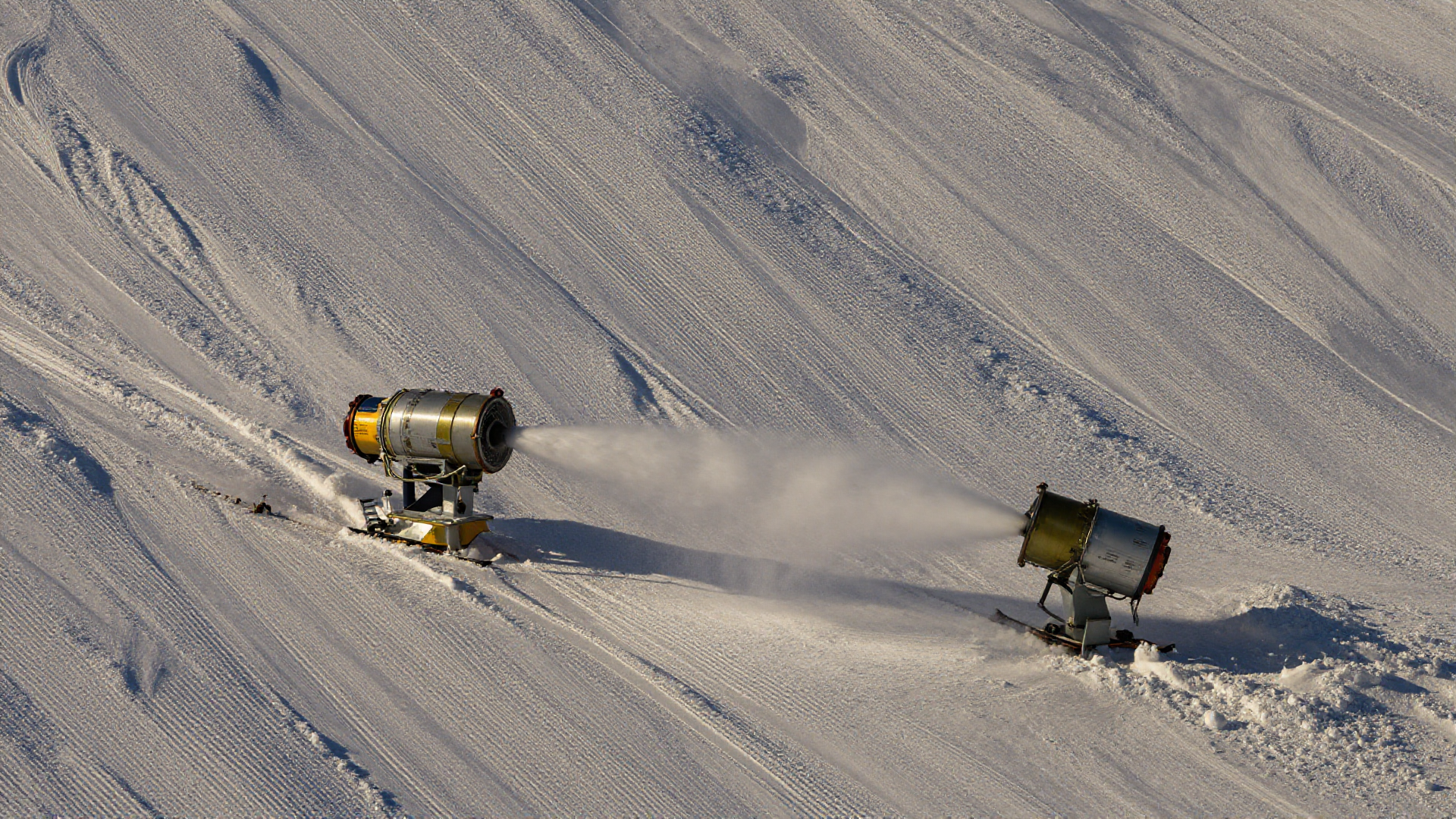
In response, Norway has launched the "Snow for the Future" initiative aimed at preserving the sport through technological intervention. This strategy prioritizes investment in energy-intensive snowmaking systems capable of operating even above freezing temperatures.
These technological adaptations are also supporting the development of year-round indoor skiing facilities, such as one near Oslo that reportedly repurposes excess heat generated during the snowmaking process for nearby buildings. This represents a significant pivot toward industrial solutions for cultural maintenance.
While elite athletes suggest that shifting training schedules to summer and autumn can partially mitigate performance impacts, the long-term viability of the grassroots skiing economy hinges on successful innovation and sustainability measures. The industry faces considerable challenges in balancing tradition with energy consumption required for artificial snow.
The economic implications extend beyond recreational clubs, affecting tourism sectors reliant on consistent winter conditions. The pivot toward advanced snow production raises questions regarding the long-term operational costs and the carbon footprint associated with maintaining traditional winter sports infrastructure.