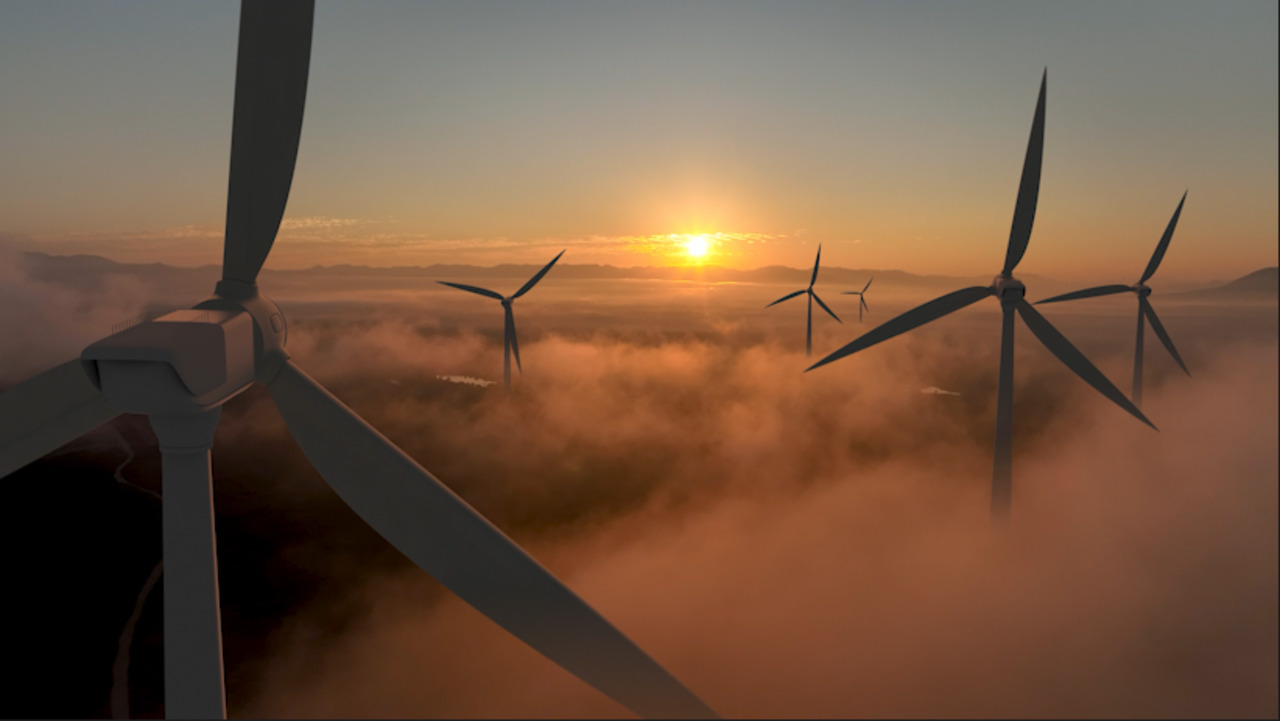
China is driving the world's most ambitious renewable energy rollout, achieving breakneck deployment speeds across solar and wind infrastructure, according to a recent report highlighted by France 2 colleagues. This massive expansion places China at the forefront of the global green technology race.
Despite this aggressive renewable buildout, Beijing continues to maintain significant reliance on coal-fired power generation to meet immediate energy demands. This juxtaposition underscores the substantial challenge of retiring existing fossil fuel assets while scaling up new capacity.
Beijing now hosts nearly one-third of the world’s total installed solar and wind capacity, according to data cited by observers tracking global energy statistics. Flagship projects, often situated in arid or remote regions, demonstrate the scale of national commitment to decarbonization targets.
Observers note that this accelerated deployment is crucial for meeting China's stated long-term climate goals, although short-term energy security appears to favor consistent, dispatchable power sources like coal. The sheer size of the Chinese economy necessitates enormous energy input regardless of the source mix.
Geopolitically, China’s dominance in manufacturing solar panels and wind turbines provides it with substantial leverage in the global energy transition supply chain. This vertical integration strengthens its position in the emerging green economy.
Reports detailing site visits to these mega-farms illustrate significant engineering feats required to integrate intermittent power sources into a vast national grid. The operational challenges associated with managing such large-scale renewable assets are considerable.
Ultimately, the success of China’s strategy hinges on its ability to manage the transition away from established coal infrastructure without compromising economic stability. Future international climate negotiations will closely monitor the pace of this internal energy restructuring.