Researchers from the University of São Paulo have identified multiple classes of antibiotics in the Piracicaba River, a major waterway in Brazil. Their findings, published in Environmental Sciences Europe, show these substances accumulate in local fish populations. This discovery raises significant concerns regarding food safety and environmental health in the region. The study highlights the need for stricter monitoring protocols.
The team examined water, sediment, and fish during both rainy and dry seasons to track pollutant patterns effectively. Samples collected near the Santa Maria da Serra dam revealed contaminants from sewage, aquaculture, and agricultural runoff. Measured levels ranged from nanograms per liter in water to micrograms per kilogram in sediment.
Pollution sources include treated sewage and pig farming operations that discharge waste into the river basin regularly. Researchers monitored 12 commonly used antibiotics from groups such as tetracyclines and fluoroquinolones throughout the study period. The data indicated a clear pattern of seasonality where dry conditions concentrate contaminants more effectively.
One of the most significant findings was the detection of chloramphenicol in lambari fish collected by local fishermen. This antibiotic is prohibited in Brazil for livestock use due to associated toxicity risks for human consumers. It appeared only during the dry season at levels of tens of micrograms per kilogram in the fish tissue.
The study also explored whether Salvinia auriculata, a floating aquatic plant, could help clean the contaminated water. Controlled experiments showed the plant removed more than 95% of enrofloxacin from the water within a few days. However, removal of chloramphenicol was slower and only partially effective in the trials.
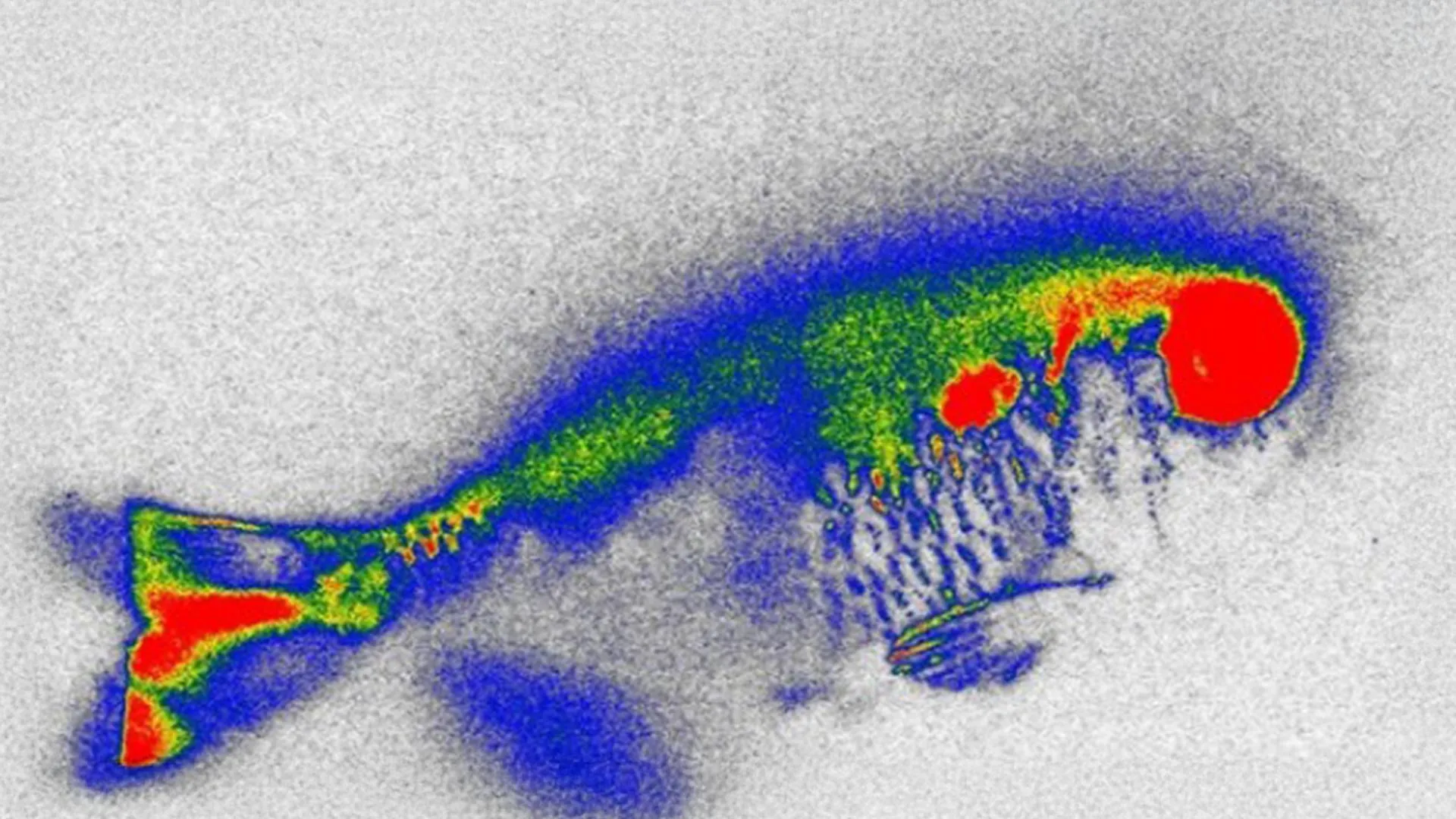
Imaging techniques revealed that antibiotics mainly accumulated in the plant roots rather than dissolving back into the water. Despite this efficiency, researchers warn that managing the biomass after absorption is critical to prevent re-release. If not treated properly, the contaminated plants could return toxins to the ecosystem.
Genetic damage in fish increased significantly when exposed to chloramphenicol without the presence of the aquatic plant. However, when Salvinia auriculata was present, this damage decreased and approached levels seen in control groups. This suggests the plant may generate fewer genotoxic byproducts in specific chemical interactions.
The presence of the macrophyte changed how organisms contacted contaminants, sometimes increasing absorption rates in fish. This complexity indicates that using plants as sponges is not a trivial matter for ecosystem management. The chemical form of antibiotics can alter depending on the biological environment surrounding them.
Valdemar Luiz Tornisielo, the research supervisor, noted that antibiotic resistance could lead to superbugs in the environment. The emergence of resistant microorganisms poses long-term risks to global public health and agricultural productivity. These findings highlight the urgent need for integrated water management strategies to protect trade standards.
Radiolabeled molecules used in the study were provided by the International Atomic Energy Agency to track molecular movement. Materials were also supported by the São Paulo Research Foundation for funding the extensive field work. Future strategies must consider biological effects alongside simple contaminant removal.