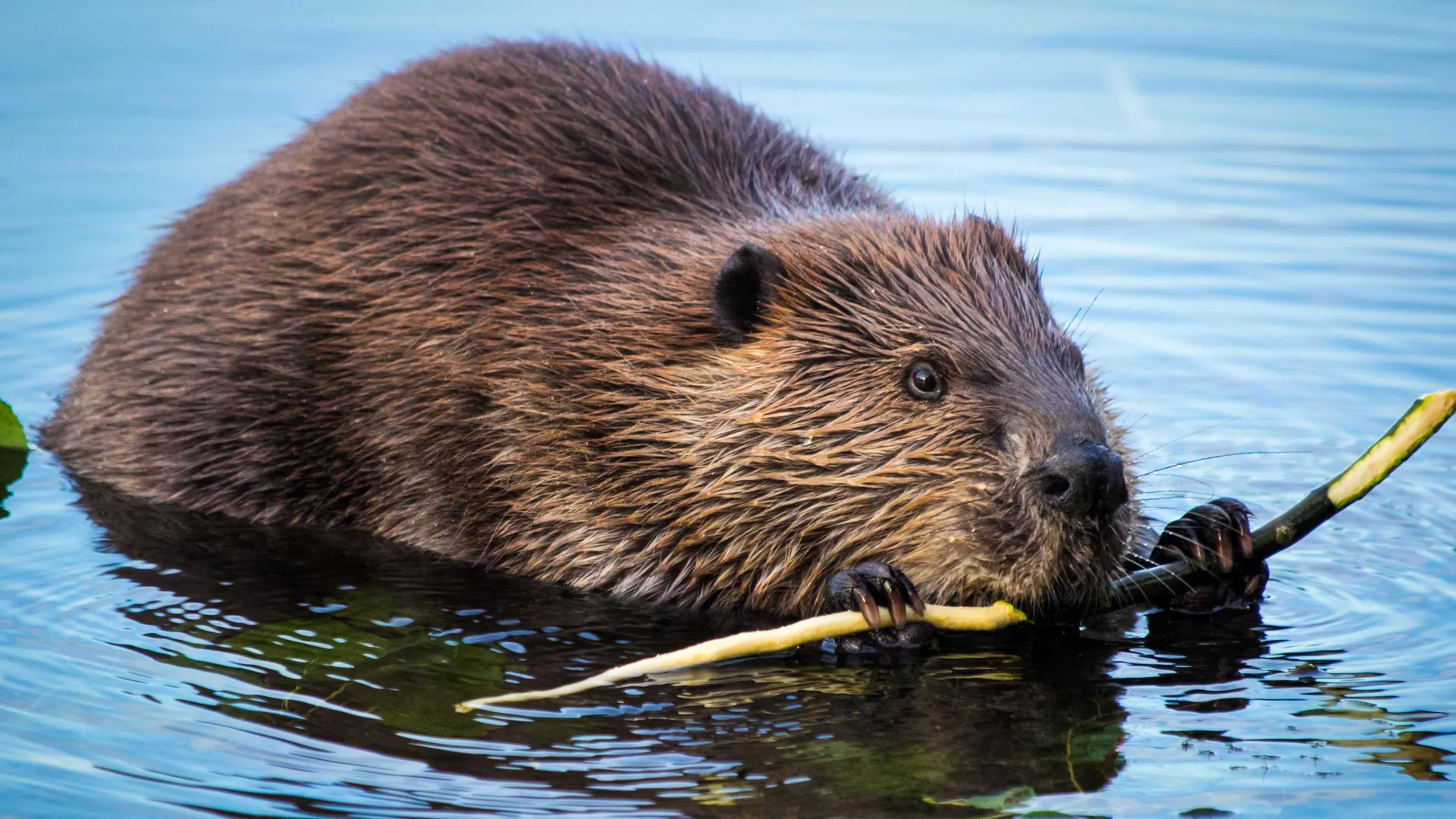
Researchers at the University of Birmingham report that beavers significantly alter carbon flow in European rivers. Published in Communications Earth & Environment, the study tracks Swiss wetlands over 13 years. The findings suggest natural rewilding offers viable climate solutions for global economies. This international investigation marks the first time both carbon dioxide released and captured were measured simultaneously.
Nature-based solutions are gaining traction as governments seek cost-effective ways to meet emission targets. The site accumulated approximately 1,194 tonnes of carbon during the study period. This rate equals 10.1 tonnes of CO2 per hectare each year on average. Carbon storage rates reached up to 10 times higher than similar areas without beaver presence.
Such efficiency indicates that these animals function as critical infrastructure for climate mitigation. Traditional sequestration methods often require significant capital investment which this study bypasses. Beaver dams reshape rivers and flood nearby land to form wetlands. These structures redirect groundwater flow and capture both organic and inorganic materials.
Sediments trap dissolved inorganic carbon below the surface effectively. The process significantly alters how carbon is stored and circulated within these ecosystems. This natural engineering reduces the need for expensive water management infrastructure projects. Conservation efforts have returned beavers to rivers and natural habitats across Europe recently.
Headwater streams are the small upper sections where carbon movement is most intense. Previous models underestimated this natural storage capacity by a significant margin. Expanding populations in suitable regions could provide substantial climate benefits. Policymakers are now reevaluating land zoning laws to accommodate these returning species.
Seasonal changes were observed during the 12-month monitoring period. During summer, carbon dioxide emissions temporarily exceeded storage levels. Methane emissions remained minimal and accounted for less than 0.1% of the total budget. Deadwood made up 50% of the long-term stored carbon reserves.
This low methane output contradicts common assumptions about wetland greenhouse gas generation. Dr. Joshua Larsen stated that animals fundamentally shift how CO2 moves through ecosystems. He noted that slowing water and trapping sediments creates new carbon sinks. Dr. Lukas Hallberg noted the system far exceeded expectations for unmanaged stream corridors.
He emphasized that land-use planning must consider these natural restoration strategies. Experts argue this approach could save billions in public spending on artificial sinks. Their insights offer valuable data for future climate policy decisions. The study included collaborators from Wageningen University and the University of Bern.
Integration of biological data into economic models remains a priority for international bodies. When researchers applied their findings to all floodplain areas in Switzerland, estimates emerged. These wetlands could offset 1.2% to 1.8% of the country's annual carbon emissions. This benefit would come without direct human intervention or additional financial costs.
Switzerland represents a test case for broader European rewilding initiatives. Carbon credit markets may soon recognize these biological assets as tradable commodities. Carbon becomes locked in place as sediments build up over time. These reserves can remain stable for decades as long as the dams remain intact.
Further research is essential to understand how these animals influence ecosystems on a larger scale. Policymakers must weigh the economic value of these natural sinks against development projects. Long-term stability is crucial for investors seeking reliable environmental offsets. As beaver populations continue to grow, researchers will monitor these changes closely.
The data provides a blueprint for nations struggling to meet climate goals. Nature-based solutions could become a cornerstone of future economic strategy.