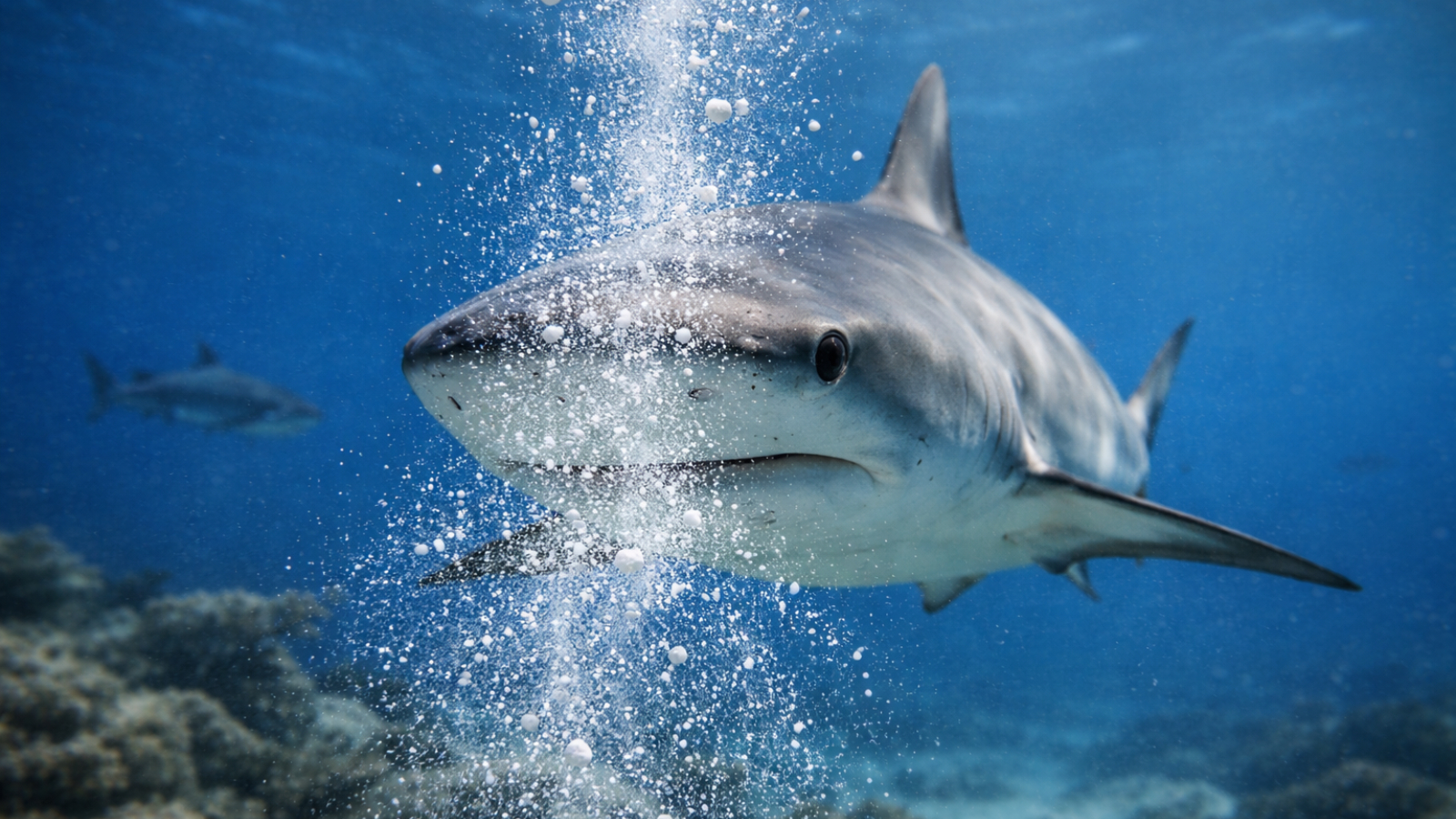
Scientists have confirmed that sharks in the Bahamas contain traces of human pharmaceuticals and illicit substances. A new study published on February 20, 2026, reveals high levels of cocaine and caffeine in the marine predators. Researchers analyzed blood samples from 85 sharks near Eleuthera Island to assess environmental contamination in the region. The results provide critical data for understanding ocean health and pollution pathways.
Nearly one-third of the tested specimens contained detectable levels of human-related drugs within their biological systems. The study identified common painkillers alongside stimulants and narcotics in the tissue samples collected during the survey. This discovery marks a significant escalation in marine pollution metrics observed previously in the Atlantic. These chemicals pose a threat to marine biodiversity and food web integrity.
Affected species included Caribbean reef sharks, nurse sharks, and lemon sharks across the affected region. Caffeine was the most frequently detected substance, representing the first global record of the compound in sharks. Acetaminophen also appeared for the first time in this species group, according to the published data. Such findings indicate widespread chemical runoff affecting apex predators.
The research was led by biologist Natascha Wosnick from the Federal University of Paraná in Brazil. Her team published the findings online in the journal Environmental Pollution during the first week of February. Wosnick noted that the data suggests contaminants enter the ocean through sewage and wastewater discharge. This pathway allows waste to travel far from urban centers and impact offshore ecosystems.
Scientists state that heavy tourism areas and human activity may contribute significantly to pollution levels in coastal waters. Cocaine can enter the water through lost or discarded drug shipments during trafficking operations at sea. Divers and local infrastructure also play a role in introducing these chemicals into the marine environment. Local authorities must consider these factors when managing coastal zones. Tourism revenue could suffer from degraded water quality if pollution persists.
Sharks with these substances in their systems showed signs of metabolic changes during the detailed analysis. Researchers observed altered levels of triglycerides, urea, and lactate, which can indicate physiological stress. While direct behavioral impacts have not yet been confirmed, similar studies on other fish suggest risks. Energy levels and risk responses may also be compromised by chemical exposure.
Previous research from the same team in 2024 found even higher concentrations of cocaine in sharks off the coast of Rio de Janeiro. In that instance, all sampled sharks tested positive for the substance, totaling 100% of the group surveyed in 2024. This comparison highlights a growing trend of drug contamination in ocean ecosystems globally and indicates worsening conditions. This suggests the issue is expanding geographically across the Atlantic.
Consumption of contaminated seafood raises concerns about long-term exposure for humans who rely on these resources for nutrition. Scientists say more research is needed to understand the full ecological effects of these pollutants on the food web. The findings highlight how human pollution is reaching even apex predators in the ocean. Health officials warn of potential risks to public safety. Consumption habits might require reassessment by health agencies.
Future studies will likely focus on the long-term ecological effects on marine food chains and local biodiversity. Regulatory bodies may need to address wastewater management to mitigate these risks further for coastal communities. The situation underscores the urgent need for better environmental monitoring systems across the Caribbean. Economic stability relies on clean water for local industries and sustainable fishing practices.
This contamination event signals broader economic risks for tourism and fisheries in the Caribbean region. Coastal economies dependent on marine health face potential losses if pollution levels continue to rise without intervention. International cooperation is required to manage waste and prevent further chemical spread to other nations in the region. Long-term solutions require global policy changes to protect marine resources.