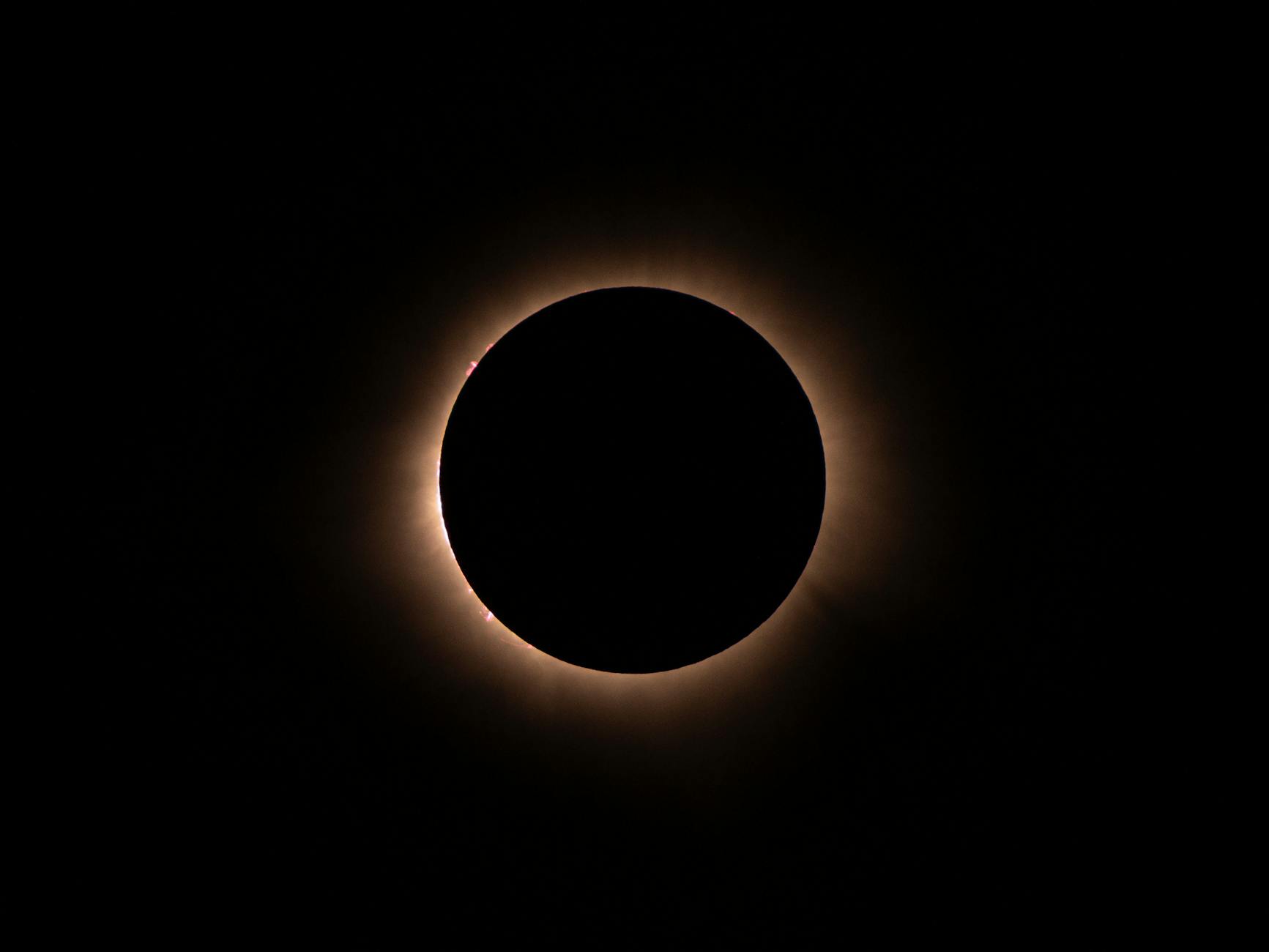
The celestial mechanics of March 17, 2026, will bring an annular solar eclipse across Latin America. Known as the Ring of Fire, this event challenges both observers and energy infrastructure in the region. International astronomy bodies have issued detailed guides for the upcoming phenomenon according to Fayerwayer. The event occurs amidst global debates on technology integration and public health safety.
The path of annularity crosses the Yucatan Peninsula in Mexico and the northern Caribbean coast of Colombia. Cities like Cartagena will witness the ring for nearly four minutes during the maximum phase. Observers in Mexico City will experience a significant partial obscuration instead of the full ring. Local authorities are preparing traffic management plans for the event duration.
Chilean energy investors are monitoring the event closely due to the nation's heavy reliance on solar generation. While the eclipse path does not cross Chile, the regional impact on Latin American power grids draws attention from Santiago. Analysts compare the grid stability risks in Colombia with the established resilience of the Chilean system. Chile ranks among the global leaders in solar capacity, making grid stress tests valuable for policy makers.
This astronomical event occurs when the Moon reaches its apogee, appearing smaller than the Sun. The satellite fails to fully cover the solar disk, leaving a bright crescent visible to the naked eye. This geometric alignment creates a spectacle that demands both scientific curiosity and technical caution. The phenomenon differs significantly from total eclipses due to the lunar distance.
Technology presents a significant hazard for 2026 smartphone users attempting to capture the moment. Sensors on devices like the iPhone 17e or Samsung S26 are extremely sensitive to direct solar radiation. Pointing a lens at the sun without a neutral density filter can damage internal components in seconds. Manufacturers warn that standard glass lenses do not provide sufficient attenuation for photography.
Human safety regulations require specific eyewear certified to ISO 12312-2 standards for viewing. Conventional sunglasses offer no protection against the intense light of the eclipse. Retinal damage from the event is painless but can result in permanent central vision loss. Authorities urge public compliance to prevent medical emergencies during the event. Medical facilities in major cities are stockpiling resources for potential ophthalmology cases.
Scheduled visibility data indicates specific windows for major urban centers across the continent. Mexico City observes a 68% partial phase starting at 10:15 AM local time. Cartagena experiences a 94% annular phase beginning at 12:30 PM. Bogotá will see an 81% occultation that poses challenges for the national grid. Medellin will experience an 85% partial phase, while Monterrey sees only 50% coverage.
The event serves as a reminder of planetary fragility in an increasingly hyperconnected world. Regional utility companies must prepare for potential fluctuations in photovoltaic output during the partial phases. Tourism boards in Colombia and Mexico anticipate significant influxes of visitors along the eclipse path. Local businesses near the path of annularity expect increased revenue from tourism.
NASA reports link this event to broader space exploration goals, including the Artemis II mission timeline. Scientists view the eclipse as a calibration point for atmospheric and solar observation equipment. Preparations involve securing clear skies and advanced protective gear for field researchers. The agency emphasizes the importance of data collection during the brief window of darkness.
Experts advise the public to prioritize equipment protection before the March 17 phenomenon begins. The Ring of Fire offers a rare opportunity to observe solar dynamics without advanced telescopes. Careful planning remains essential for safe observation throughout the hemisphere. Communities are encouraged to share verified information through official channels.