On April 7, the FBI, the Pentagon, the NSA, and the Cybersecurity and Infrastructure Security Agency (CISA) issued a joint warning accusing Iranian-linked hacking groups of launching malicious attacks against US critical infrastructure. The campaign has primarily targeted water and wastewater systems as well as the energy sector, resulting in operational disruptions and financial losses for some facilities.
According to official intelligence, these hacking groups are focusing their efforts on internet-exposed Operational Technology (OT) devices, specifically Programmable Logic Controllers (PLCs) manufactured by Rockwell Automation or Allen-Bradley. US officials noted that Siemens equipment may also be at risk. Through engagement with victim organizations, authorities confirmed that since March 2026, Iranian-linked APT groups have successfully disrupted the normal functionality of these PLCs.
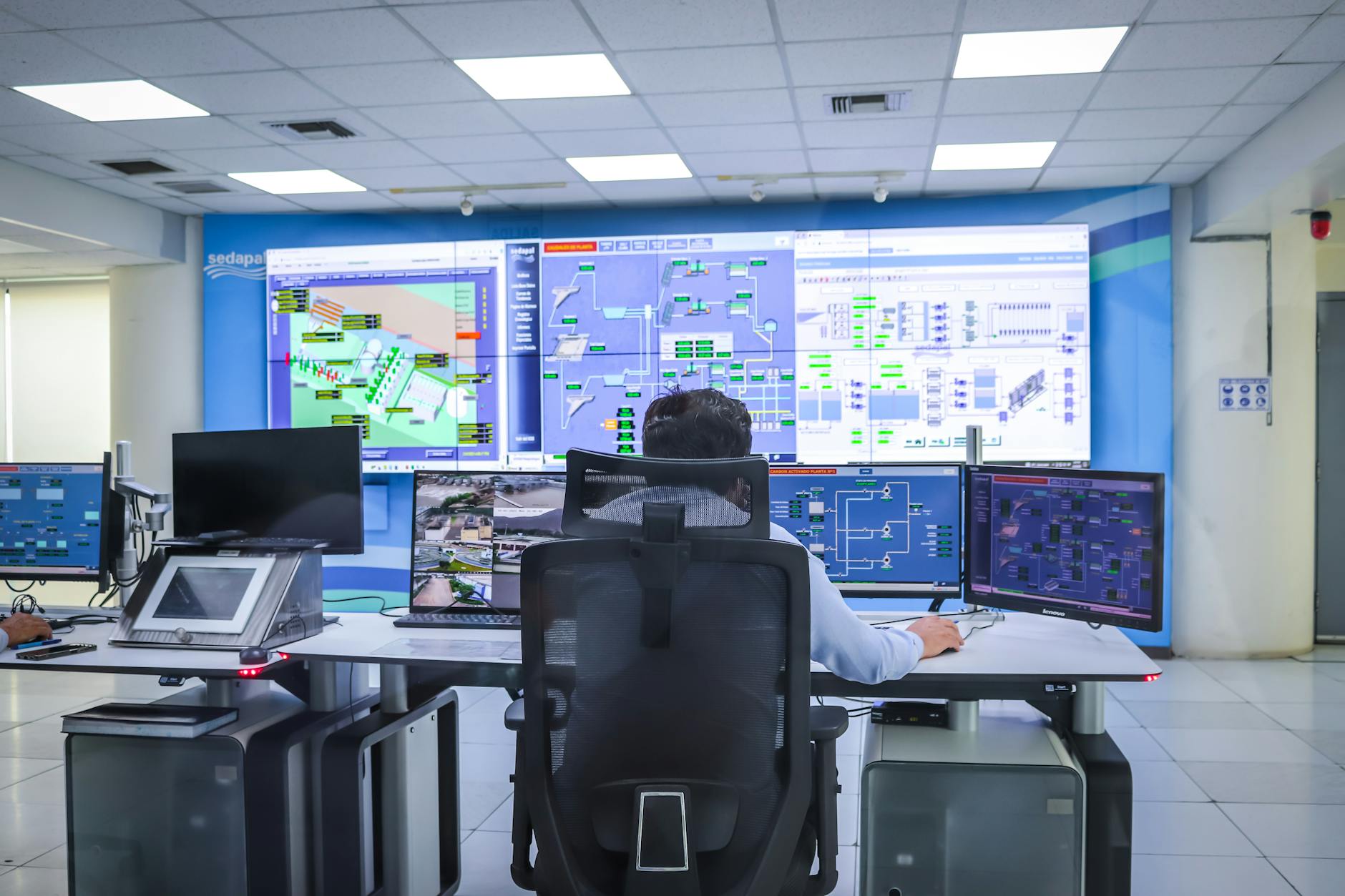
In their joint advisory, the US agencies stated: "As a result of these malicious activities, organizations across multiple US critical infrastructure sectors have experienced operational disruptions, characterized by unauthorized interaction with project files and the manipulation of data displayed on Human-Machine Interfaces (HMI) and Supervisory Control and Data Acquisition (SCADA) screens."
The warning also highlighted a ransomware attack last week on a water treatment plant in Minot, North Dakota. A Minot city official revealed that although the incident was classified as a ransomware attack, the perpetrators made no clear ransom demand, leaving only a note on the screen. The FBI has confirmed it is investigating the attacks in Minot and a county government in Indiana.
Vulnerabilities in Connected Devices
US cybersecurity agencies emphasized that these attacks often exploit known vulnerabilities. The advisory specifically cited CVE-2021-22681, which affects Rockwell’s OT products. One month ago, CISA mandated that all federal agencies patch this vulnerability by March 26.
Regulators are urging all relevant organizations to immediately remove PLCs and other OT devices from the public internet and to rigorously audit logs for signs of anomalous traffic. Experts point out that PLCs are widely used in facilities like water pumping stations to control and monitor critical processes, such as pump activation and reservoir level regulation; if compromised, the consequences could be catastrophic.
US officials have compared this campaign to the 2023–2024 attacks by Iranian hackers on Unitronics PLCs in Israel. During a briefing on Tuesday, US officials disclosed for the first time that at least 75 devices were compromised by hackers linked to the Iranian Islamic Revolutionary Guard Corps (IRGC) during that 2023 campaign. While those earlier attacks were largely characterized by digital vandalism, the current wave shows a more destructive intent.
Analysts suggest that this escalation in cyber activity is a direct response by Iran to the ongoing US-Iran military conflict. As the conflict enters its sixth week, the US government is closely monitoring these digital disruptions to domestic infrastructure and is calling on companies to strengthen the protection of their connected industrial equipment to counter potential threats.
