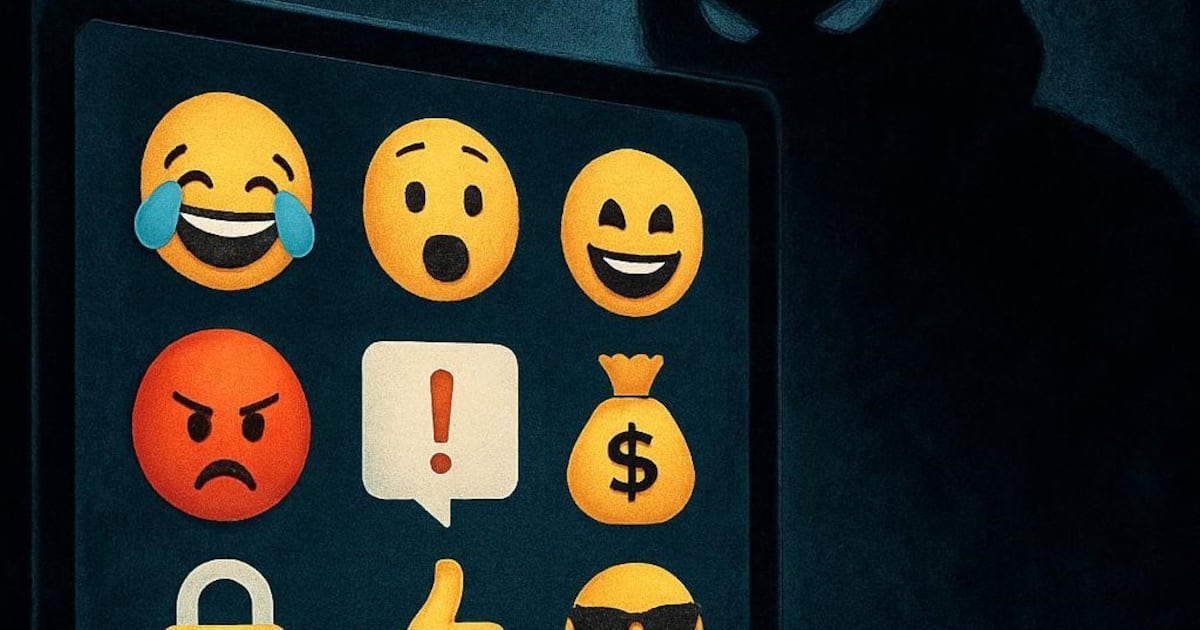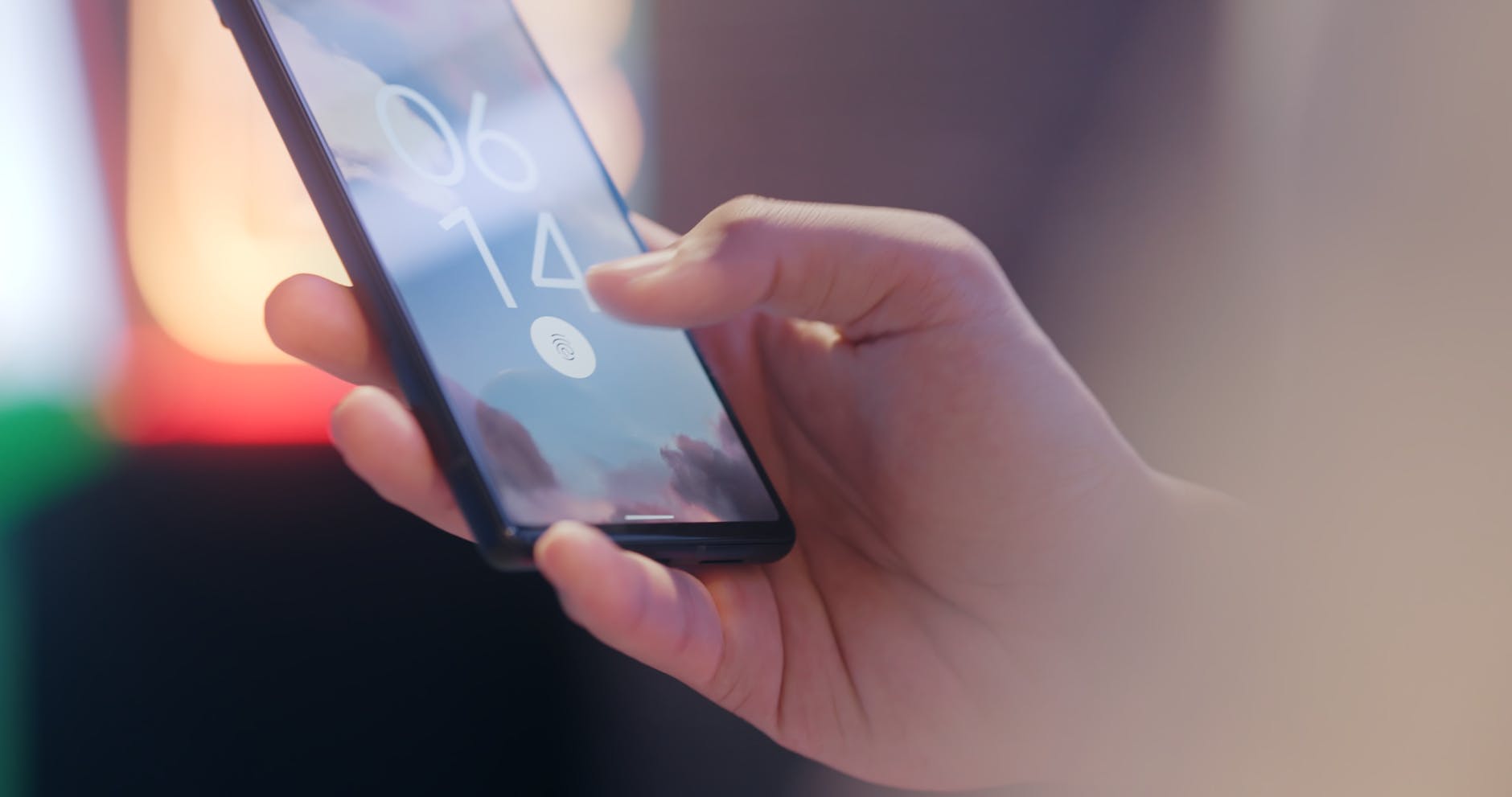
Banking users in Chile may face immediate access denials to their accounts following the scheduled time change on April 4. The disruption occurs when mobile devices fail to synchronize with bank servers, causing security tokens to be rejected. This technical mismatch can block access to current accounts, investments, and interbank transfers.
The Mechanics of TOTP Failures
Most financial institutions utilize Time-based One-Time Passwords (TOTP) as a security standard for two-factor authentication. This system relies on a mathematical formula that synchronizes a secret key with the exact time on both the user's device and the bank's server. If the device clock is off by even a few seconds, the generated code will not match the server's expectation.
According to FayerWayer, the bank server interprets this discrepancy as a potential security breach. The system may assume the incorrect code is the result of a brute-force attack or an identity theft attempt. Consequently, the server automatically blocks the user's access to protect the account from unauthorized entry.
Critical Impact on Digital Services
Beyond standard mobile banking, the synchronization error affects several high-severity digital services. Cryptocurrency and trading apps may prevent users from executing time-sensitive orders, while corporate email systems may suffer from exchange synchronization failures. Digital certificates used for electronic signatures also become invalid when the system time is incorrect.
"The first technical step should always be to verify that your time zone is set to GMT-4 (Santiago) and that the adjustment is automatic," reported FayerWayer.
Cybersecurity Context in Latin America
This issue highlights the fragility of time-dependent security protocols in an increasingly digital financial ecosystem. While 2FA significantly reduces fraud, it creates a single point of failure tied to system clock accuracy. Similar synchronization issues have occurred in other jurisdictions during seasonal time shifts, often leading to a surge in customer support requests.
Financial institutions in the region have increasingly migrated to these protocols to combat rising cybercrime rates. However, the reliance on client-side device accuracy places the burden of maintenance on the end user. This dynamic underscores the tension between high-security requirements and user accessibility.
Steps for System Recovery
Users experiencing "Invalid Code" errors are advised against repeatedly attempting to force access, as this may trigger longer security lockouts. The primary solution involves navigating to system settings to ensure the time zone is correct and the "Set Automatically" toggle is active. If the error persists, the problem typically resides in the device configuration rather than the bank's infrastructure.
Market analysts suggest that banks may eventually move toward asynchronous authentication methods to avoid these seasonal disruptions. For now, users must remain vigilant about device settings during the April 4 transition. Monitoring the response of major Chilean banks to these lockouts will indicate how the sector handles systemic technical friction.