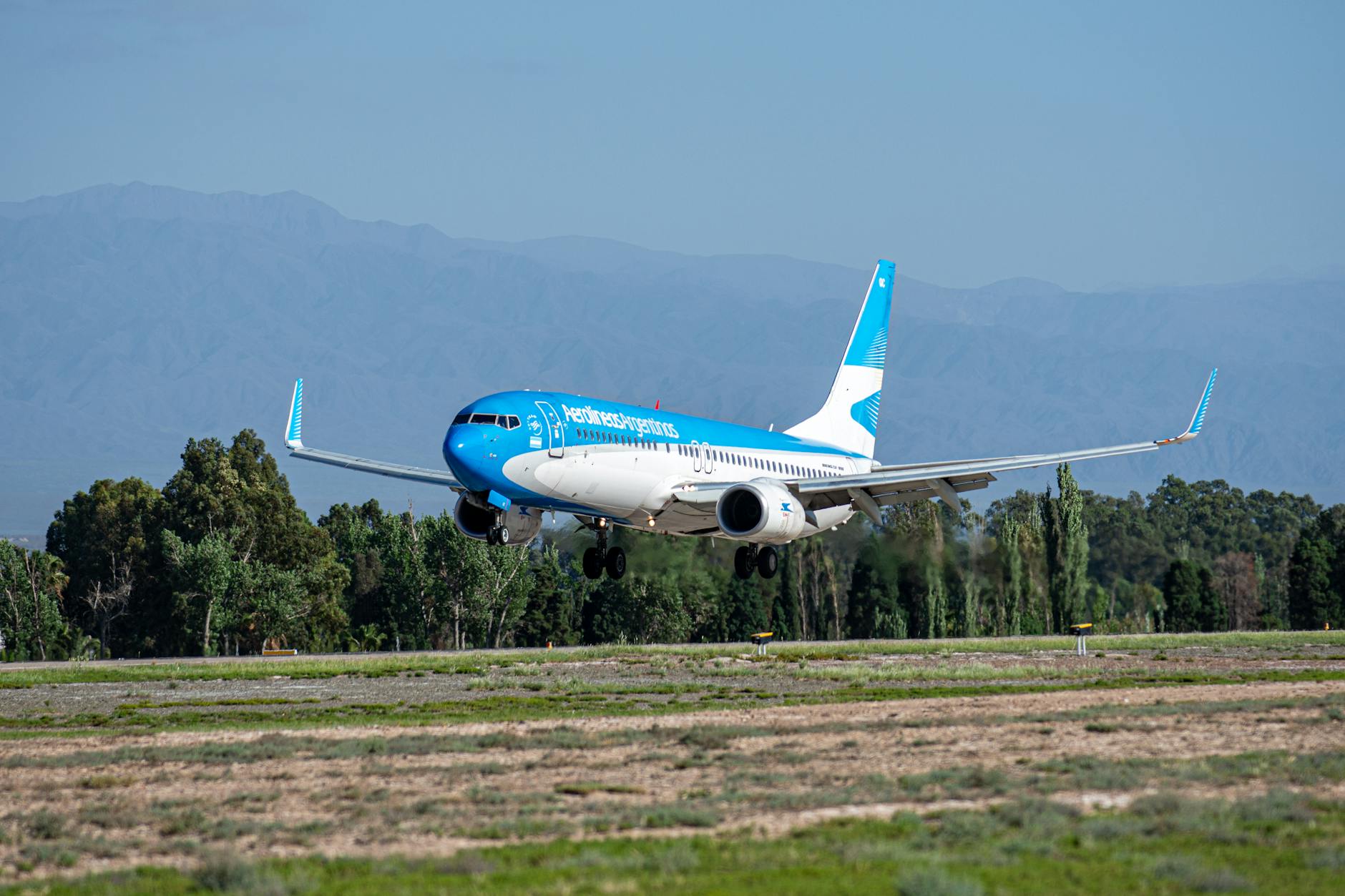
Chilean teams in continental competitions are entering a phase of massive South American travel that jeopardizes the physical preparation of their squads. After a tournament start where most were able to play at home, the necessity of visiting stadiums in Brazil, Ecuador, Argentina, and Peru marks a critical shift for the Chilean top flight.
Universidad Católica’s situation is particularly concerning. Daniel Garnero’s side travels to Belo Horizonte this week to face Cruzeiro, a round trip totaling 7,610 kilometers. This expedition is merely the first chapter of a route that includes stops in Guayaquil and Buenos Aires.
Logistics for "Los Cruzados" are further complicated by a squad depleted by injuries. Players such as Tomás Asta-Bajoeruga and Diego Valencia are sidelined with ligament tears, while key figures like Gary Medel and Bernardo Cerezo are dealing with muscle issues. These prolonged journeys make it difficult for Garnero to manage his squad as they compete simultaneously in the domestic league.
The Map of Continental Fatigue
Coquimbo Unido also faces a high-mileage schedule. The "Pirates" are heading to Lima for their first away match, a 6,652-kilometer trip. Their calendar will later take them to Ibagué and Montevideo, bringing their total travel distance to over 15,000 kilometers.
In the Copa Sudamericana, O’Higgins faces an even more daunting challenge. The squad will navigate a route including Sao Paulo, Montevideo, and Bogotá, accumulating a total of 18,760 kilometers in flight time. This figure makes logistical management a decisive factor in their tournament ambitions.
Palestino and Audax Italiano are no exception to the aerial fatigue. The "Arab" club must travel thousands of kilometers to visit Porto Alegre and Montevideo, while Audax faces trips to Rio de Janeiro, Buenos Aires, and Asunción, totaling 14,616 kilometers on their continental itinerary.
The results from the opening rounds show that the comfort of playing at home was the only sanctuary for Chilean clubs. With the scales now tipped, sporting performance will depend on the ability of coaching staffs to manage the physical toll of transcontinental travel.